
First steps in identifying the causes of adult acne
 +381 64 4184 444
Acne is not just a teenage problem. More and more adults notice it appearing later in life, often without an obvious cause. Changes in hormones, stress, diet, or lifestyle can easily disrupt the skin’s balance. After the age of thirty, the body functions differently, and the skin becomes more sensitive to both external and internal factors. Some days, it reacts more strongly, especially when there’s a lack of rest or a change in eating habits. Understanding the causes of adult acne is not only about finding the culprit but also about learning how to help the skin recover. When given care and time, it usually responds—becoming calmer, clearer, and more resilient.
How to identify different types of adult acne
Adult acne can appear in many forms, which often causes confusion. Some are small and closed, others inflamed and painful, and each type has its own cause and treatment. The location where acne appears can reveal a lot about its origin.
- The mildest form is comedones—blackheads and whiteheads formed when excess sebum and dead skin cells clog the pores. When bacteria multiply inside those pores, the skin reacts with inflammation, leading to papules and pustules that are red, painful, and sometimes filled with pus.
- Deeper and more severe forms include cystic and nodular acne, which can leave scars and require dermatological supervision.
Identify the cause of acne based on its location
The location of acne can provide clues about its cause:
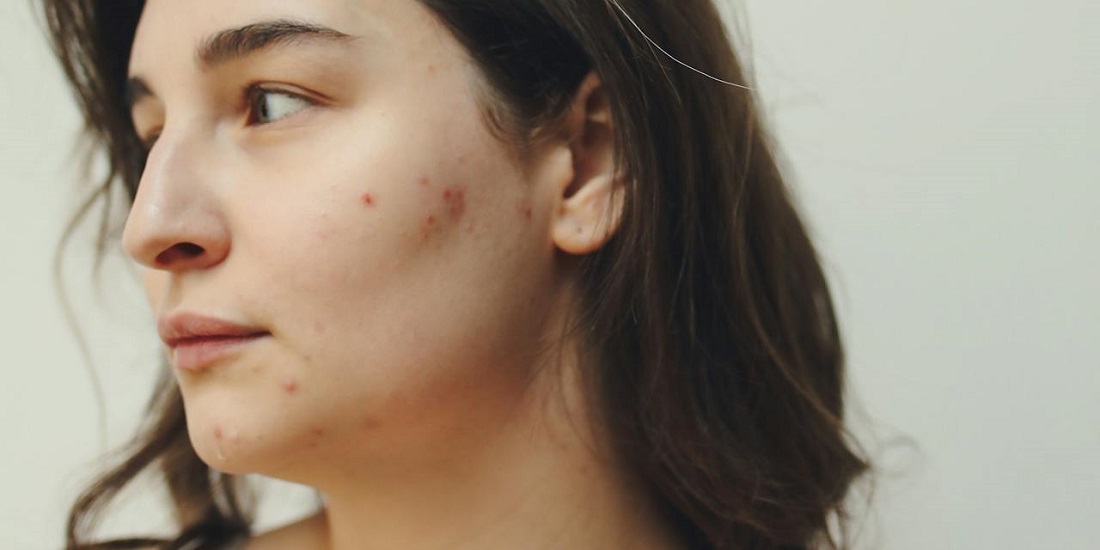
- Acne on the chin and jawline is often linked to hormonal changes.
- Acne on the forehead is usually related to stress and sweating.
- Breakouts on the back and shoulders are commonly caused by friction from clothing, excessive sweating, or unsuitable body products.
Many people confuse rosacea with acne because both involve redness and bumps. However, rosacea does not produce blackheads and is not caused by clogged pores. It results from dilated blood vessels and surface inflammation. Acne develops deeper in the skin due to excess sebum and bacteria, so it requires a completely different approach.
Hormonal influences
Hormones play a significant role in the development of adult acne, especially hormones such as testosterone, estrogen, and cortisol.
- In men, even slightly elevated testosterone levels can stimulate the sebaceous glands to produce more sebum — an oily substance that can clog pores and cause acne.
- In women, sudden changes in estrogen or progesterone levels — for example, during menopause — can disrupt balance and trigger breakouts. Acne along the jawline and neck often indicates a hormonal imbalance.
When do hormones signal a problem?
Hormonal acne most often appears on the lower part of the face — the chin, jawline, and neck — while classic acne usually affects the forehead or T-zone. Also, if breakouts are painful or cystic, slow to heal, and keep returning despite regular skincare, it’s a clear sign that hormones may be out of balance.
If you have changed your diet and skincare routine but acne still appears in the same areas, or if you notice other symptoms such as irregular menstrual cycles, increased hair growth in women, or sudden changes in skin texture and oil production — it’s time to have your hormones checked and consult an endocrinologist.
The connection between digestion, diet, and acne
Diet has a greater impact on the skin than many people realize. When processed foods, excess sugar, or dairy products are consumed frequently, the body reacts through hormonal and inflammatory responses. These changes also affect the gut microbiome, which can disrupt the skin’s balance. When digestion doesn’t function properly, toxins are eliminated more slowly, and the body sometimes shows this through increased acne.

Many people notice that their skin calms down when they eliminate dairy products or reduce sugar and alcohol intake. Such changes do not bring immediate results, as the body needs time to restore balance. The first signs of improvement usually appear after four to six weeks of consistent, balanced eating. Healthy skins starts with food and drinking enough water can gradually help reduce breakouts and restore the skin’s natural glow.
Stress as one of the most common causes of adult acne
Stress affects the body much more deeply than it appears on the surface. When under pressure, the body releases more cortisol, a hormone that alters the balance of other hormones and increases sebum production. The excess sebum can clog pores and cause inflammation, leading to acne—especially in people with sensitive skin. That’s why stress is often listed among the most common causes of adult acne. Besides its physical effects, stress also influences daily habits:
- Sleep becomes shorter
- Diet becomes irregular
- Hands touch the face more often
All of this worsens skin condition. Small lifestyle changes can have a big impact. Regular physical activity, light breathing exercises, and enough sleep help reduce cortisol levels and restore balance. When stress decreases, the skin often becomes calmer, with fewer inflamed breakouts and a lower chance of new acne forming.
The role of genetics in acne development
Genetics largely determine how the skin reacts to hormones and external factors. Some people simply inherit more active sebaceous glands, so their skin naturally produces more sebum. When combined with a heightened sensitivity to hormonal changes, pores become easier to clog, and bacteria naturally present on the skin surface can more easily trigger inflammation. Because of this, people with a genetic predisposition often experience acne more frequently and for longer periods, even with regular skincare.
If acne was present in your parents or siblings, the likelihood of developing it yourself is higher. This predisposition doesn’t mean acne is inevitable — it simply means your skin needs more attention and a consistent care routine. Genetically predisposed skin usually reacts more strongly to stress, hormonal changes, and unsuitable products, so even small mistakes in skincare can quickly lead to new breakouts.
Medications and medical conditions that affect acne development
Sometimes, the cause of acne is not related only to diet, hormones, or stress, but also to certain medications a person uses.
- Corticosteroids, for example, affect the level of androgenic hormones in the body, leading the skin to produce more sebum. As a result, pores clog more easily, and inflammation becomes more frequent.
- Lithium, used in the treatment of certain psychiatric conditions, can have a similar effect and cause small, inflamed breakouts on the face or back in some individuals.
- In women, birth control pills can have different effects — some reduce acne outbreaks, while others, especially those with higher levels of progesterone, can make them worse.
- Another common cause of acne in adult women is polycystic ovary syndrome (PCOS). In this condition, the body produces more androgens, which stimulate the sebaceous glands to secrete more sebum. The skin then becomes oilier and more prone to acne, especially in the chin and jawline area.
The impact of skincare on facial condition
Skincare has a major influence on how acne develops. Many adults make the same mistake — they use overly strong products, thinking they will “dry out” acne, but the effect is the opposite. When the skin becomes too dry, it loses its protective barrier and becomes irritated. The sebaceous glands then try to compensate for the loss by producing even more sebum, which often leads to new inflammation. Alcohol, strong fragrances, and essential oils further irritate the skin and should be avoided.
The face should not be washed more than twice a day. Use gentle, pH-balanced cleansers that do not tighten or dry out the skin. After washing, the towel should be clean and soft, and the face should be patted dry instead of rubbed. Harsh scrubs with large particles are not recommended — they can damage the skin and spread inflammation. Instead, mild chemical peels with low acid concentrations are a better choice.
When choosing the right face cream, make sure it is lightweight, non-comedogenic, and fragrance-free. Moisturizing is essential, even for oily skin, because well-hydrated skin produces less sebum. Creams with glycerin and ceramides help restore the protective barrier and reduce sensitivity. A daily cream with SPF 30 or higher protects against UV radiation, which worsens dark spots and slows skin recovery.
Which skincare products help address the causes of adult acne
In the end, the routine doesn’t need to be complicated: a gentle cleanser, a soothing serum, a lightweight cream, and daily sun protection. When the skin receives consistent and gentle care, it gradually stabilizes — producing less sebum, experiencing fewer inflammations, and appearing noticeably calmer.
- Salicylic acid cleans pores deeply and prevents clogging. It should be used in low concentrations a few times a week to avoid drying the skin.
- Benzoyl peroxide has antibacterial properties and reduces inflammation but should only be applied directly to affected areas.
- Niacinamide helps calm redness and balance sebum production, while retinol speeds up cell renewal and helps reduce acne scars.
- Retinol in skincare can deliver excellent results, but it’s important to introduce it gradually and pair it with a moisturizing cream.
Common mistakes when trying to treat adult acne
For many adults, acne does not clear up because the same mistakes in daily skincare are repeated.
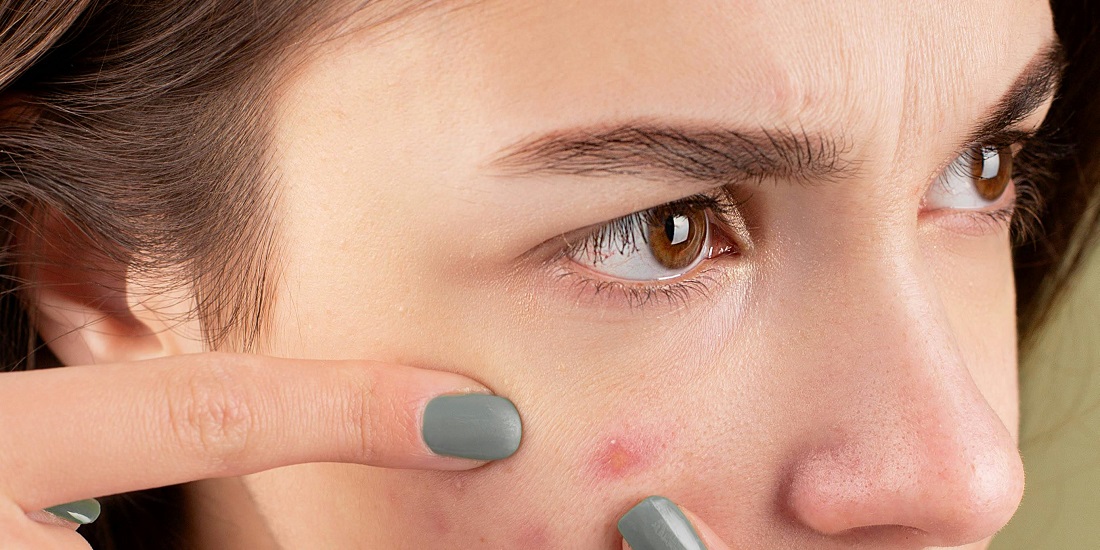
- One of the most common mistakes is squeezing pimples. This damages the skin, pushes bacteria deeper, and causes acne scars that are difficult to remove. Although it may seem like a quick solution, this action actually spreads inflammation and delays healing.
- Another frequent mistake is constantly switching skincare products. The skin needs time to adjust to active ingredients and show results. Changing products too often irritates the skin and weakens its barrier, which often makes the condition worse. For products with ingredients such as salicylic acid, benzoyl peroxide, or retinol, visible improvement usually appears after four to six weeks of consistent use. Patience and consistency are therefore key to success.
- Acne is often a sign that your skin lacks hydration. Many believe that oily or acne-prone skin does not need moisturizer, but dryness only increases sebum production. Lightweight, non-comedogenic creams containing ceramides and hyaluronic acid help the skin repair and retain moisture, making it more resistant to new inflammation.
- Finally, it is important to avoid over-cleansing, harsh scrubs, and aggressive masks that strip the skin’s natural protection. The skin needs balance — when treated gently, it calms down and gradually returns to its natural state.
How to approach diagnosis – step by step
When acne appears persistently or without a clear reason, it’s best to address the issue carefully and systematically.
- The first step is observation. Pay attention to where acne most often appears, how long it lasts, and whether it worsens during specific periods — such as around your menstrual cycle, under stress, or after dietary changes. Keeping short notes about your habits and skin reactions can help identify patterns and possible triggers.
- The second step involves laboratory tests. In addition to basic analyses such as blood count and blood sugar, a hormonal panel is often recommended. Commonly tested hormones include testosterone, DHEA-S, estradiol, progesterone, prolactin, TSH, and free T4. If insulin resistance is suspected, a glucose tolerance test can be helpful. These results determine whether hormones, metabolism, or the endocrine system are contributing to acne formation.
- The third step is a professional examination. Specialized aesthetic clinics in Belgrade offer acne diagnostics through expert consultations and individually planned treatments. This approach helps identify the cause quickly and begin therapy tailored to your skin type..
Lifestyle changes that bring visible results
Everyday habits influence the skin’s appearance more than most people realize. Lack of sleep, stress, and irregular eating disrupt hormonal balance and increase inflammation, which can lead to more frequent acne breakouts.
- When the body doesn’t get enough rest, cortisol levels rise, stimulating excess sebum production and making the skin oilier. Consistent sleep of seven to eight hours per night helps regulate hormones and supports skin cell renewal.
- Hydration is equally important. When the body lacks water, the skin compensates by producing more sebum, increasing the risk of clogged pores. Adequate fluid intake, combined with a diet rich in fruits and vegetables, helps the skin stay elastic and less prone to inflammation.
- Physical activity improves circulation and delivers oxygen to the skin, while sweating helps eliminate toxins from the body. After exercising, it’s best to wash your face with a gentle cleanser to prevent bacteria and sweat from clogging the pores. Spending at least half an hour outdoors each day helps both the body and skin recover.
Patience and consistency lead to clearer skin
There are many causes of adult acne, and each skin type requires a unique approach. For some, the issue lies in hormones; for others, it’s stress, diet, or improper skincare. The key is to recognize the signals your skin sends and to approach it patiently. Change doesn’t happen overnight, but a consistent routine and healthy habits bring results over time. When your diet becomes balanced, stress decreases, and care is tailored to your skin’s needs, the complexion becomes more even and calm. The goal isn’t perfect skin, but healthy and stable skin. Small but consistent changes bring the most lasting results. Get to know your skin — understanding it is the first step toward a healthier appearance.