Lymph node and gland examination
 +381 64 4184 444
Swelling, pain, or tightness in the neck area can be a sign that it’s time for a neck lymph node examination. This simple diagnostic procedure helps determine the cause of the node enlargement—whether it’s a mild infection or something that needs more attention. At Dr Prlja Medical in Belgrade, the exam is performed by an experienced team trained in early detection of lymphatic changes. The procedure is quick, painless, and doesn’t require special preparation. If the swelling lasts longer than two weeks, doesn’t go down, or gets worse, it’s important to act early. Accurate diagnosis can prevent unnecessary worry or delayed treatment. Book your appointment with us and find out what’s causing your symptoms—quickly, precisely, and without long waits.

What are lymph nodes in the neck and why are they important?
Lymph nodes in the neck are part of the immune system. They are located on both sides of the neck, under the jaw, and behind the ears. Their main job is to filter lymph—a fluid that contains white blood cells, microorganisms, and waste from tissues. When the body detects an infection, the lymph nodes may temporarily enlarge in response to bacteria, viruses, or other harmful agents. This triggers the activation of T and B lymphocytes—key immune cells that help fight infections.
Lymph nodes also help detect and contain the spread of infection. They act like a “checkpoint” where lymph fluid must pass through. Swollen lymph nodes, especially in the neck, are often the first sign that the body is fighting an illness—either a local issue like a throat infection or a systemic condition such as a viral infection, mononucleosis, or HIV. Their location near the respiratory and digestive tracts makes them vital for early detection of related health problems.
Symptoms that indicate it’s time for a neck lymph node examination
Lymph nodes in the neck may respond to different processes in the body, but some symptoms call for an ENT evaluation. If swelling is present without a fever or cold, an exam can help rule out more serious causes. Slight enlargement up to 1 cm, especially if soft and movable, is often normal. Swelling after an infection may last up to four weeks without other symptoms. A timely medical check is advised if you notice any of the following:
- A hard, painless lymph node: May signal long-term immune activity, chronic infection, or cell proliferation, as seen in some blood or cancer-related conditions.
- Unexplained weight loss: Can occur in systemic diseases like lymphoma, where the immune system consumes more energy.
- Night sweats: Often result from inflammatory cytokines or changes in the body’s temperature control due to active immune response.
- Fever without a clear cause: Could mean the immune system is reacting to antigens in the lymph nodes, triggering inflammation without an obvious infection.
After an infection, lymph nodes may stay enlarged for a while. If swelling lasts beyond three to four weeks with no sign of improvement, medical evaluation is recommended.
In children, firm, large, or asymmetrical swelling—especially with symptoms like fatigue or persistent fever—requires further testing. Our medical team carefully evaluates each case and offers clear guidance on what to do next.
How to tell an enlarged lymph node from other neck-area skin changes
It’s important to distinguish an enlarged lymph node from other subcutaneous or skin changes in the same area:
- Lipomas are soft, fatty lumps under the skin. They move easily under the fingers but do not respond to infections.
- Atheromas form when sebaceous glands become blocked. These lumps are often accompanied by redness or skin inflammation.
- Enlarged salivary glands, especially submandibular ones, can cause swelling under the jaw. However, they differ in texture and clinical presentation.
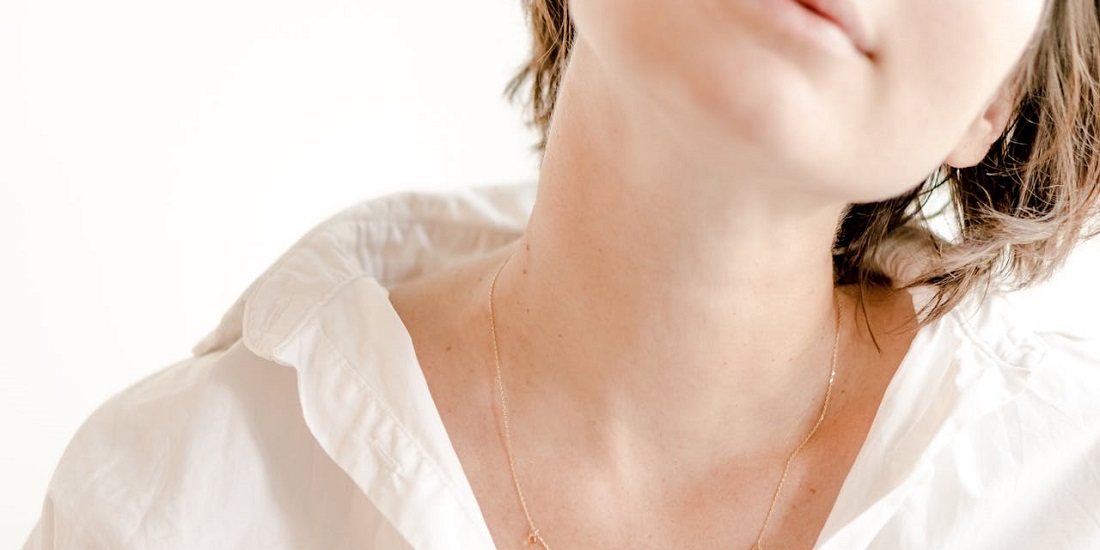
Some surface skin changes can also be mistaken for deeper tissue swelling. These include:
- Actinic keratoses are rough, superficial lesions found only on the skin, not in deeper tissues.
- Viral warts have a bumpy surface and usually appear above skin level, with no connection to the lymphatic system.
- More prominent moles are clearly defined, pigmented spots. They do not move and do not change with touch, unlike lymph nodes, which are located under the skin.
During an exam, the doctor carefully distinguishes these from lymph nodes using palpation, visual assessment, and, when needed, additional testing.
What does a neck lymph node exam involve?
A neck lymph node exam is a clinical assessment where the doctor checks by palpation:
- size
- consistency
- mobility
- tenderness of the nodes
- their relation to nearby structures
If a more detailed view is needed, an ultrasound of the neck lymph nodes is performed. This is a non-invasive, painless method that shows the internal structure, shape, borders, and blood flow of the node.
A quick evaluation helps identify common reactive, harmless changes early and distinguish them from those that need further testing, reducing the risk of missing serious conditions. The most common causes are infections or localized inflammation. The presence of lymphadenopathy does not automatically mean cancer such as lymphoma or metastases. These conditions have distinct features, assessed through clinical exams and ultrasound—not assumptions or fear. Our team provides a calm, expert approach to help you get clear answers without delay.
What the exam can reveal and how the doctor decides on next steps
During a neck lymph node exam, the doctor evaluates whether the changes are reactive, meaning harmless. These are usually linked to mild viral or bacterial infections. Reactive changes—caused by a local or systemic infection—typically appear as nodes that are:
- smaller than 1 cm (or up to 1.5 cm in the submandibular area)
- soft in texture
- movable
- tender to the touch
Such findings usually resolve on their own without treatment.
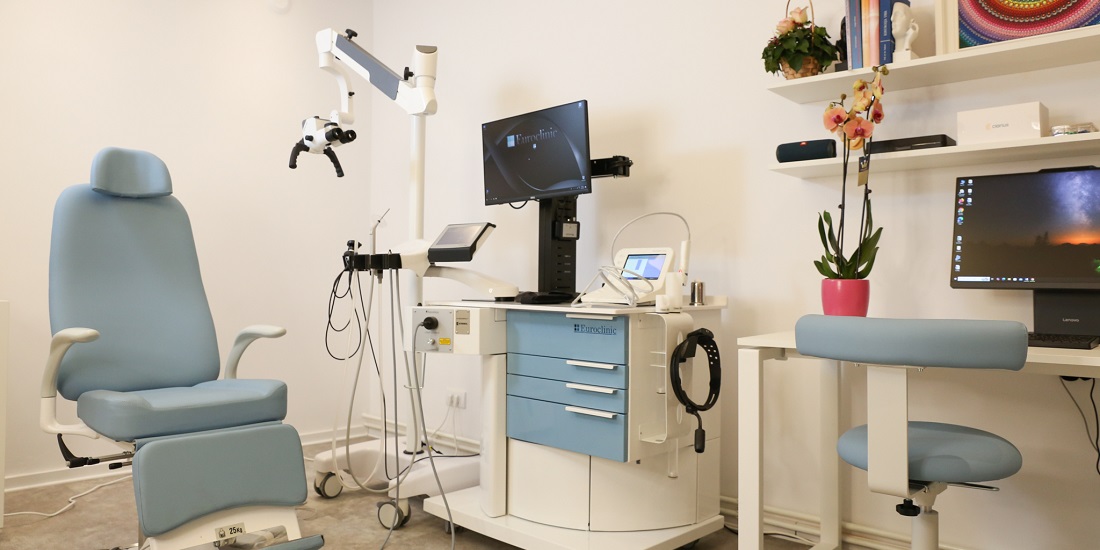
On the other hand, if your body is dealing with underlying conditions such as chronic infections, granulomatous diseases, or blood disorders, these can appear as enlarged lymph nodes that are:
- hard
- immobile
- painless
- gradually increasing in size
- Asymmetrical swelling, especially in the supraclavicular area, requires more attention, as this location may indicate systemic issues.
What happens after the exam?
The doctor also considers how long the swelling has lasted. If a hard, painless node remains unchanged for more than 3–4 weeks, lab tests are usually advised:
- complete blood count
- CRP
- ESR
- serological and hormonal testing (including thyroid tests)
If there’s no concern for a serious condition and the node is stable, a follow-up exam in 2 to 4 weeks may be recommended, along with monitoring symptoms at home.
In cases where the nodes are symmetrical, small (<1 cm), soft, movable, and tender, and the patient has no other symptoms, no further testing is needed—just observation. Our team explains all findings clearly and gives guidance based on clinical recommendations.
Why get your neck lymph nodes checked at our clinic?
At Dr Prlja Medical Clinic in Belgrade, the neck lymph node examination is performed by a skilled team that approaches each patient with care and thoroughness. We pay special attention to patients concerned about swelling, making the exam quick, painless, and stress-free. Our doctors can accurately distinguish lymph nodes from other lumps like atheromas or lipomas, so there’s no need for extra tests unless necessary. You won’t wait—if further steps are needed, you’ll get instructions on the spot. If you notice any swelling or discomfort in your neck, book your appointment and find out what’s behind it.
Achieve flawless results with personalized treatments that highlight your natural beauty.
Frequently asked questions and answers
Is a lymph node that changes size from time to time a cause for concern?
Size changes in lymph nodes are often seen in people who frequently get upper respiratory infections or allergies. If the node occasionally enlarges and then shrinks without other symptoms, it usually doesn't require urgent care. Still, if this happens often or causes discomfort, an exam is a good idea.
Can physical activity cause lymph node swelling?
Physical activity itself does not directly cause lymph node swelling. However, exercising during a viral infection may lead to temporary enlargement due to immune response. In most cases, the swelling goes down after a few days of rest.
Can neck lymph nodes be felt even when they are normal?
Yes, in thinner individuals or those with more defined neck anatomy, some lymph nodes may be palpable even when normal. They are usually small (up to 1 cm), soft, movable, and painless.
Can smoking affect lymph node health?
Smoking can have an indirect effect. It increases the risk of respiratory infections and certain head and neck cancers, which can cause lymph node swelling. In long-term smokers, persistent or one-sided swelling should be carefully evaluated.
Can lymph nodes be detected through blood tests?
Not directly. Lymph nodes are assessed through clinical exams and ultrasound. However, blood tests (like white blood cell count, CRP, ESR) can show signs of inflammation or immune activity that support the evaluation.
What if a lymph node suddenly appears without other symptoms?
Sudden swelling of a lymph node without other symptoms may result from a mild infection, minor trauma, a dental issue, or a small skin irritation. If the node stays enlarged for more than two to three weeks or gets bigger, a medical exam is recommended.
Experiences of those who chose us
My experience with Sara was actually my first treatment ever. I had always been skeptical until I met her through a mutual friend. All it took was seeing her flawless skin to completely trust her. Not only does she maintain a natural look, which I really appreciate, with minimal corrections, but she’s also a wonderful friend and, when needed, a great therapist. I always leave her office feeling satisfied and smiling. P.S. She’s the only one who managed to solve my under-eye bags!
-Ksenija Knezevic
Singer
I met Sara a few years ago, and after the first treatment, I was certain – this woman knows what she's doing! I trust her completely, and I love her approach, honesty, and directness. There’s no exaggeration or unnatural looks – just a refreshed, rested, and natural appearance. We always have so much fun, laughing, while also enhancing our beauty. After seeing Sara, I look like I’ve just returned from the best vacation!
-Matea Milosavljevic
Actress
I have known Sara Prlja for more than 15 years, and I can say that everything she envisioned, she has achieved. She has always worked on herself, invested in her knowledge and growth. Her clinic is the perfect place where you will feel comfortable and relaxed, and the service is top-notch. I highly recommend her and her work!

-Aleksandar Dramicanin
Hair & Makeup Artist
Love, trust, and respect are the foundation of every strong and lasting relationship, whether personal or professional. From a medical perspective, we know how essential support is in any healing process, but for me, the relationship between a doctor and a patient is one where trust is especially important. I have complete trust in Sara and always feel confident that everything will be okay. That trust creates a sense of safety and allows real progress, while care and connection give us the space to grow together. I have never viewed my relationship with Sara as just professional, because every time I visit the clinic, it feels more like coming to people I trust and feel close to rather than simply working with a provider. That is the X factor that makes this experience truly valuable to me.

-Nataša Kovačević Njezvanova
Influencer
My experience with Sara has been exceptional in every way. Above all, she is a genuinely kind person and an outstanding professional. Together with her wonderful team, she creates an atmosphere free of fear, where trust comes naturally. I am delighted with the results and feel beautiful, confident, and happy. I wholeheartedly recommend her.

-Mahrina
Singer
I don’t easily trust anyone with my skin care, but the moment I stepped into Dr Prlja Medical, I felt safe and confident in my choice. I wouldn’t replace Sara for anyone else. She combines expertise, warmth, and a genuine love for her profession. Every treatment leaves me feeling refreshed and renewed, both physically and emotionally. Trust me when I say that you are in the right place.

-Anja Ćurčić
Actress
Related Services

Endoscopic Examination

Inhalation
Microscopic removal of a foreign body

Neck Mass Biopsy

Reflux therapy in the laryngopharyngeal region (LPR)
Specialist ENT ear examination

Specialist ENT nasal examination
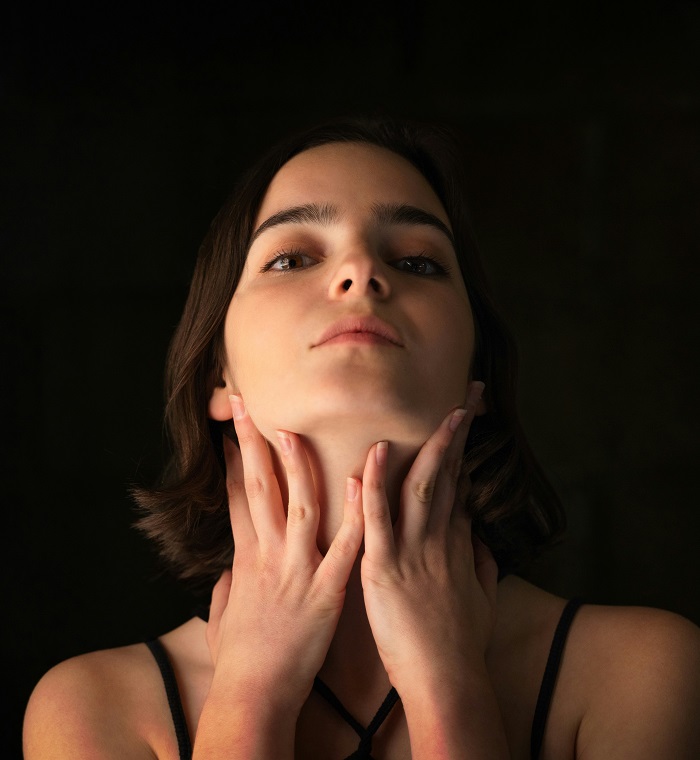
Specialist ENT throat examination
Third tonsil surgery
Tongue frenulum incision under local anesthesia
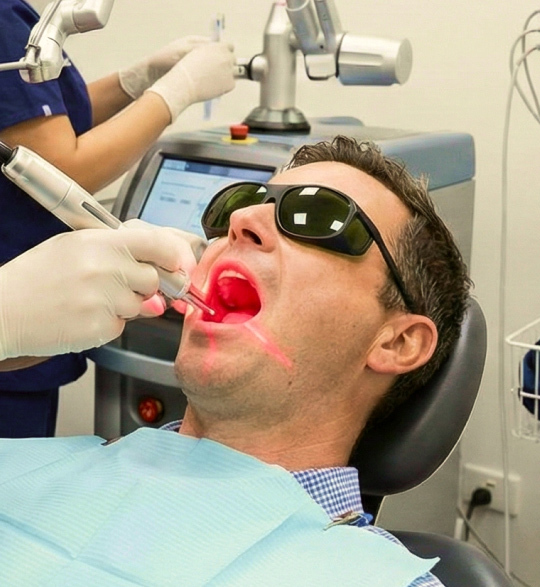
Tonsil Cryptolysis for Bad Breath

Treatment of hoarseness