Specialist ENT nasal examination
 +381 64 4184 444
Nasal problems often reduce your quality of life. If you constantly feel nasal congestion, have trouble breathing, or notice bleeding, a specialist ENT examination is necessary. At Dr Prlja Medical in Belgrade, we provide professional and thorough nasal exams, enabling timely diagnosis and treatment of various conditions. Please contact us as soon as you notice symptoms to avoid complications. Our team of specialists uses modern methods and offers patients maximum safety, care, and expertise throughout the entire examination and treatment process. Our goal is your quick and complete recovery. Book your appointment today!
Benefits of an ENT nasal examination for your health
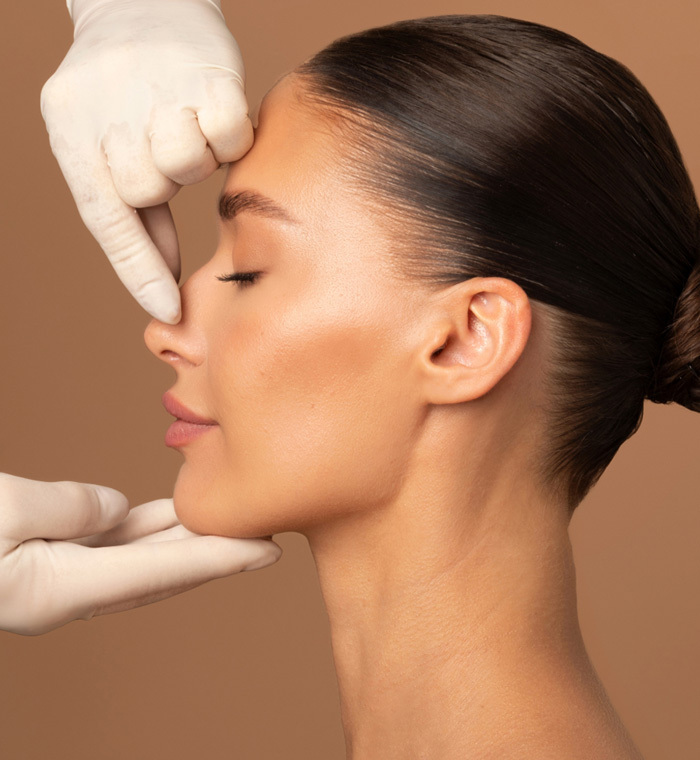
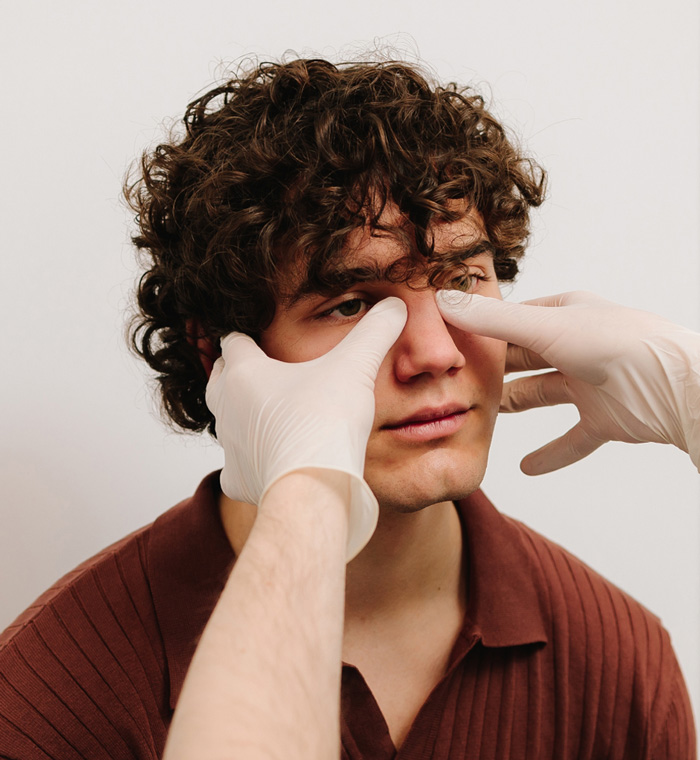
A specialist ENT nasal exam is a detailed medical procedure performed by an otorhinolaryngologist. The exam helps diagnose issues with the nose and airways, as well as monitor existing conditions. It includes various ENT diagnostic methods such as visual inspection, nasal endoscopy, and additional tests.

The exam allows for accurate identification of the causes of symptoms such as nasal congestion without a cold, runny nose, loss of smell, or bleeding. Thanks to this examination, patients receive precise information about their condition and treatment guidance, helping prevent more serious health complications.
When should you schedule an ENT nasal exam?
You should book an ENT nasal exam if you have symptoms like:
- chronic nasal congestion
- frequent runny nose
- sinus pain
- impaired sense of smell
- frequent nosebleeds
These symptoms may indicate conditions that require urgent medical attention. If symptoms last more than a few weeks, do not delay the exam. In case of sudden worsening of symptoms or serious nasal injuries, schedule an appointment with our ENT specialists immediately. Acting early greatly improves treatment success and speeds up recovery.
What does an ENT nasal exam look like at Dr Prlja Medical Clinic?
ORL pregled nosa u našoj klinici sprovodi se detaljno i sistematski. Ovaj pregled uključuje:
- Patient consultation: The doctor gathers detailed information about symptoms, medical history, previous treatments, allergies, and current medications. Sometimes allergy testing is needed to help establish an accurate diagnosis.
- Visual inspection: The external nose and nasal cavities are examined, along with the condition of the skin and mucosa.
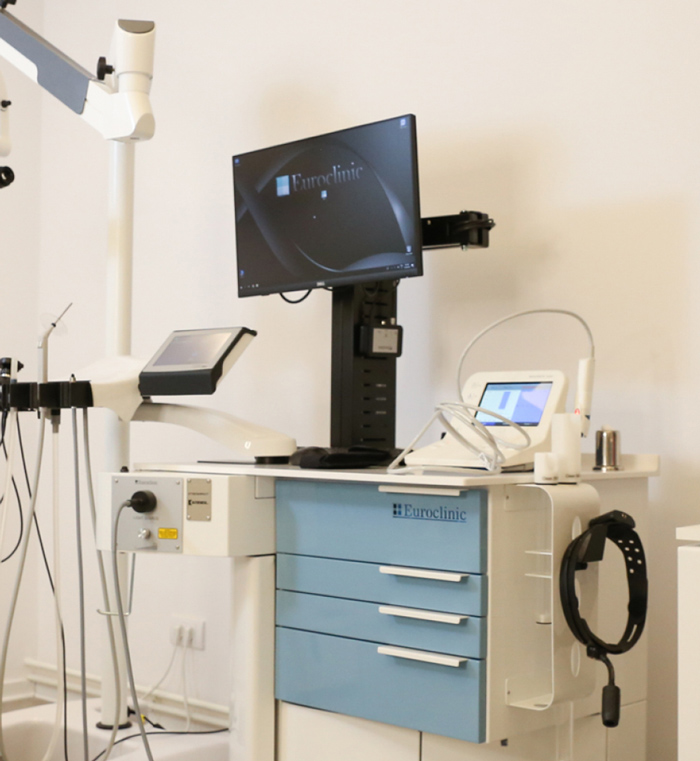
- Endoscopic examination: A thin tube with a camera is used to examine the inside of the nose and sinuses. This allows a clear view of all nasal cavity areas and helps diagnose issues such as deviations, polyps, or inflammation.
- Additional tests: If necessary, the doctor may request allergy testing or radiological imaging of the sinuses (X-ray or sinus ultrasound).
- Final consultation: The doctor explains the findings in detail and recommends next steps in treatment or further evaluation.
Throughout the exam, special attention is given to the patient’s comfort. The doctor explains each step clearly and provides support.

What conditions can be detected through a nasal examination?
An ENT nasal exam provides insight into many conditions that may affect your breathing, health, and daily life. The exam can detect:
- Sinusitis – inflammation of the sinus lining, often accompanied by facial pain, forehead pressure, thick discharge, and headaches.
- Deviated nasal septum – a deformity that can cause breathing difficulties, frequent congestion, and infections.
- Nasal polyps – benign growths that block the airways, reducing the sense of smell and causing chronic congestion.
- Allergic rhinitis – an inflammatory reaction to allergens, with symptoms such as sneezing, runny nose, itching, and watery eyes.
- Nasal and sinus tumors – rare but serious conditions, which may show signs like swelling, nose shape changes, bleeding, and unexplained pain.
These findings are obtained through a combination of visual inspection, nasal endoscopy, and, if necessary, radiological imaging. Accurate diagnosis allows timely treatment and prevents complications.
Endoscopic nasal examination in children
ENT nasal exams in children require a special approach because symptoms in kids often differ from those in adults. Children may have constant nasal congestion, breathe through the mouth, snore at night, and parents may think it’s just a cold. However, the cause may be an enlarged adenoid, nasal polyps, or allergic rhinitis. The exam is done gently and quickly, in the presence of a parent, using a flexible child-friendly endoscope.
Based on the exam, it is possible to determine whether the breathing issue is mechanical (such as a deviated septum or enlarged adenoid) or caused by an allergic reaction. Timely diagnosis in children helps prevent chronic infections, hearing problems, and even delayed speech development.
Dr Prlja Medical has experience working with children and uses methods that ensure safe, accurate, and fast diagnosis with maximum comfort for young patients.
Why choose Dr Prlja Medical?
Patients in Belgrade choose our clinic because they receive expert care with full attention to every case. Our team consists of licensed ENT specialists with years of clinical experience in diagnosing and treating conditions of the nose, sinuses, and airways. We use modern examination methods such as nasal endoscopy and digital visualization, which allow for accurate results without discomfort.

We take an individual approach to each patient, helping them understand the cause of their symptoms and guiding them through the next steps. We provide continuous support throughout the entire process—from the first contact to final treatment. Our clinic space is modern and comfortable, and exams are conducted in a calm, unhurried atmosphere. We build patient trust through accurate diagnosis, clear communication, and quality care at every stage.
What happens after an ENT nasal examination?
After the ENT nasal exam is complete, the patient receives a detailed treatment plan based on the diagnosis. Treatment may include:
- the use of local or systemic nasal sprays and medications,
- allergy therapies,
- decongestants or nasal corticosteroids,
- and surgical interventions in more serious cases (e.g., septoplasty, polypectomy)..
Surgical procedures or removal of nasal polyps can significantly reduce or eliminate snoring. This improves sleep quality and rest, both for the patient and their family. Proper nasal breathing supports oxygen intake, reduces morning fatigue and headaches. In patients with allergic rhinitis, reducing symptoms like sneezing, itching, and nasal blockage makes daily life easier. After diagnosis and treatment planning, our doctors continue supporting patients through follow-up appointments and advice.
Book your ENT nasal examination today
A nasal exam is a key step toward better breathing, improved sleep, and a healthier daily life. This exam helps detect and resolve issues that often go unnoticed but affect your energy, focus, and overall health.
Whether it’s persistent congestion, loss of smell, snoring, or recurring infections, timely diagnosis and proper treatment can bring significant relief. Dr Prlja Medical in Belgrade uses modern diagnostics and has a team of specialists who approach each patient with care and understanding. Our ENT nasal examination is fast, painless, and thorough — backed by experience and accuracy. Don’t let everyday discomfort turn into a chronic issue. Schedule your exam today and take the first step toward healthier breathing and better quality of life.
Achieve flawless results with personalized treatments that highlight your natural beauty.
Frequently asked questions and answers
Do I need a referral for an ENT nasal exam at a private clinic?
No, a referral is not needed for an exam at Dr Prlja Medical. You can book directly.
How much does an ENT nasal exam cost?
The price depends on the included diagnostic procedures. The basic exam with endoscopy has a fixed cost, and additional tests are charged separately.
Does the ENT nasal exam include allergy testing?
It is not included by default, but if the doctor suspects allergy-related symptoms, additional testing may be recommended.
How long does the exam take?
The exam usually takes between 20 and 30 minutes, including consultation, visual inspection, and endoscopy.
What should I bring to the exam?
Bring your previous medical records, a list of symptoms, and details about medications you currently use.
Experiences of those who chose us
My experience with Sara was actually my first treatment ever. I had always been skeptical until I met her through a mutual friend. All it took was seeing her flawless skin to completely trust her. Not only does she maintain a natural look, which I really appreciate, with minimal corrections, but she’s also a wonderful friend and, when needed, a great therapist. I always leave her office feeling satisfied and smiling. P.S. She’s the only one who managed to solve my under-eye bags!
-Ksenija Knezevic
Singer
I met Sara a few years ago, and after the first treatment, I was certain – this woman knows what she's doing! I trust her completely, and I love her approach, honesty, and directness. There’s no exaggeration or unnatural looks – just a refreshed, rested, and natural appearance. We always have so much fun, laughing, while also enhancing our beauty. After seeing Sara, I look like I’ve just returned from the best vacation!
-Matea Milosavljevic
Actress
I have known Sara Prlja for more than 15 years, and I can say that everything she envisioned, she has achieved. She has always worked on herself, invested in her knowledge and growth. Her clinic is the perfect place where you will feel comfortable and relaxed, and the service is top-notch. I highly recommend her and her work!

-Aleksandar Dramicanin
Hair & Makeup Artist
Love, trust, and respect are the foundation of every strong and lasting relationship, whether personal or professional. From a medical perspective, we know how essential support is in any healing process, but for me, the relationship between a doctor and a patient is one where trust is especially important. I have complete trust in Sara and always feel confident that everything will be okay. That trust creates a sense of safety and allows real progress, while care and connection give us the space to grow together. I have never viewed my relationship with Sara as just professional, because every time I visit the clinic, it feels more like coming to people I trust and feel close to rather than simply working with a provider. That is the X factor that makes this experience truly valuable to me.

-Nataša Kovačević Njezvanova
Influencer
My experience with Sara has been exceptional in every way. Above all, she is a genuinely kind person and an outstanding professional. Together with her wonderful team, she creates an atmosphere free of fear, where trust comes naturally. I am delighted with the results and feel beautiful, confident, and happy. I wholeheartedly recommend her.

-Mahrina
Singer
I don’t easily trust anyone with my skin care, but the moment I stepped into Dr Prlja Medical, I felt safe and confident in my choice. I wouldn’t replace Sara for anyone else. She combines expertise, warmth, and a genuine love for her profession. Every treatment leaves me feeling refreshed and renewed, both physically and emotionally. Trust me when I say that you are in the right place.

-Anja Ćurčić
Actress