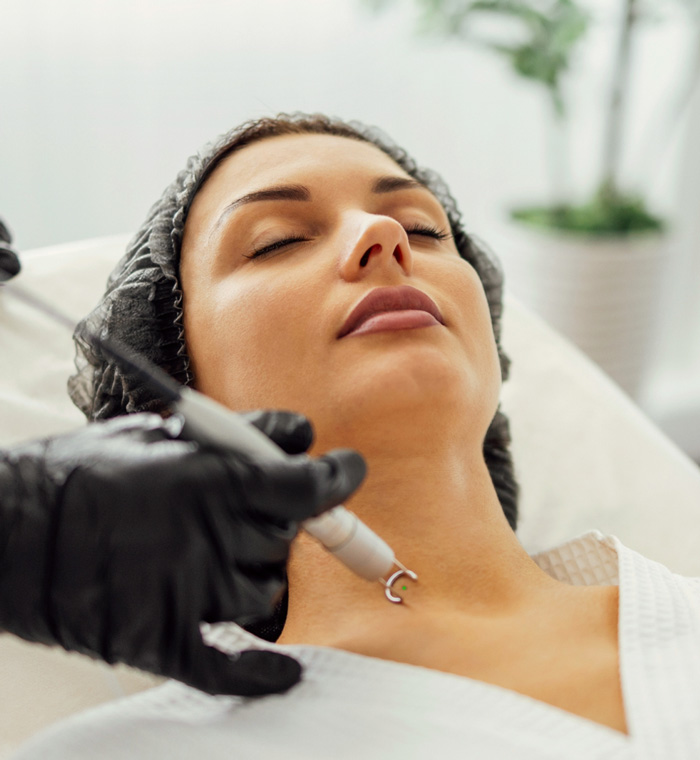
Lipoma Removal in the ENT Region
Get rid of lipomas with professional care, precise removal, and quick recovery.
 +381 64 4184 444
A soft growth under the skin may seem harmless. However, it often causes concern, especially when it grows or changes shape over time. Lipomas are usually benign, but that doesn’t mean they should be ignored. Whether they are bothersome aesthetically or physically, it’s important to know when it’s the right time for removal and how to do it safely. Proper assessment, a simple procedure, and a short recovery time make lipoma removal in the ENT region a routine intervention that provides relief and peace of mind. If you have or suspect a lipoma, contact Dr Prlja Medical Clinic in Belgrade. We will help you decide if removal is the right choice.

What is a Lipoma?
A lipoma is a benign, painless growth made of fatty tissue, most commonly found just under the skin. It has a soft, elastic texture, moves easily under the fingers, and usually grows slowly. Lipomas are typically round or oval in shape, and their size can range from a few millimeters to several centimeters in diameter.
In the head and neck region, lipomas most often appear on the neck, behind the ears, on the cheeks, or on the scalp, where they can cause aesthetic discomfort or pressure on surrounding structures. While they are almost always harmless and do not turn into malignant forms, it’s important to monitor their behavior – especially if they grow, become painful, or affect appearance.
Due to their location, lipomas in the head and neck area require careful evaluation and a professional approach to ensure safe removal and to preserve the natural aesthetics of the face and neck.
What types of lipomas exist?
After a lipoma is removed, the tissue is often sent for pathological analysis to confirm the diagnosis. While the conventional lipoma is the most common, there are other, rarer forms that differ in composition:
- Conventional Lipoma: Made of mature white fatty tissue, soft and movable, without complications.
- Atypical Lipoma: Contains more cells and may affect deeper layers of tissue.
- Hibernoma: A rare type of lipoma that contains brown fat.
- Myelolipoma: Contains fatty tissue and cells that produce blood cells.
- Spindle Cell Lipoma: Has elongated cells, often found on the neck.
- Pleomorphic Lipoma: Contains fat cells of various sizes and shapes.
- Fibrolipoma: A combination of fatty and fibrous tissue.
- Angiolipoma: Contains a larger number of blood vessels, can be more sensitive.
Causes and symptoms
The exact cause of lipoma formation is not fully understood, but genetics plays an important role. Lipomas are more common in individuals between the ages of 40 and 60, but they can appear earlier as well. In rare cases, factors such as injuries, hormonal and metabolic disorders are mentioned, though these influences have not been sufficiently confirmed.
Most common symptoms of lipomas:
- Soft, subcutaneous growth – movable under the fingers, most often on the neck or behind the ear.
- Slow increase in size over months or years.
- The skin above the growth appears normal.
- Discomfort when pressure is applied or when wearing clothes.
- Mild pain if it presses on a nerve or is located deeper.
Although lipomas are easily recognizable, any unusual lump in the head or neck area requires professional evaluation. Similar changes may look alike but have a different cause and therapeutic approach – which is why timely examination is the best way to eliminate doubt and decide whether removal of the fatty tissue is the right choice.

Lipoma diagnosis
Lipomas in the head and neck area are most commonly recognized through a clinical examination. An experienced ENT doctor at Dr Prlja Medical Clinic can quickly assess whether it is a lipoma or another condition.
If necessary, additional methods are used:
- Ultrasound – to assess the depth and size of the growth.
- MRI or CT – if the lipoma is near nerves or major blood vessels.
- Biopsy – rarely, only when there is suspicion of malignant changes.
Quick diagnosis leads to faster solutions. Schedule an appointment at Dr Prlja Medical Clinic in Belgrade.
How lipoma is removed in the head and neck area
Removing a lipoma on the neck, behind the ear, or in the face area is a routine procedure. All procedures are performed under local anesthesia, with no need for hospitalization. The most common method used is surgical excision, during which the lipoma is completely removed along with its capsule. The incision is minimal, and the scar is barely visible.
If you have a lipoma in the head and neck area, contact us – our team will resolve the issue precisely and without complications.
Postoperative Care and Recovery
The wound is covered with a sterile bandage and regularly monitored. Common symptoms, such as mild redness, swelling, or tightness, subside within a few days. Stitches are removed after 7 to 10 days, unless they are dissolvable.
Physical activity can be resumed quickly, but effort should be avoided until the wound is fully healed. With professional postoperative care at Dr Prlja Medical Clinic, recovery is swift, without complications, and with excellent aesthetic results.

Similar skin changes that require attention
At Dr Prlja Medical Clinic in Belgrade, we specialize in the precise removal of various skin and subcutaneous tissue changes on the face, neck, and head.
- Atheroma removal – subcutaneous cysts prone to inflammation
- Mole removal – especially if they are in inconvenient locations or change shape
- Keratosis removal – thickening of the skin that affects appearance
- Wart removal – viral growths on the face and neck
Schedule an appointment at Dr Prlja Medical Clinic in Belgrade to determine which removal method is best for your condition. Our team provides a discreet approach, safety, and flawless results.
Get Rid of Lipomas – Without Stress and Complications
Lipomas on the neck, behind the ear, or on the face are not just an aesthetic problem – they can cause discomfort and insecurity. Removing lipomas in these areas provides relief, aesthetic improvement, and peace of mind, as each change is carefully analyzed after the procedure. The procedure is quick, painless, and with professional care, the recovery is short, and the result is clean and aesthetically pleasing. Don’t wait for the growth to become larger. Schedule an appointment at Dr Prlja Medical Clinic in Belgrade and resolve the problem safely, simply, and permanently.
Achieve flawless results with personalized treatments that highlight your natural beauty.
Frequently Asked Questions and Answers
Does a lipoma need to be removed?
Not always. However, lipoma removal is recommended if it grows, becomes painful, changes shape, is located in an inconvenient place (e.g., neck, face), or if you want it removed for aesthetic reasons.
Can a lipoma reappear?
If it is completely removed (with the capsule), the chances of regrowth are very low. That’s why it’s important for the procedure to be performed by an experienced ENT doctor.
What is the difference between a lipoma and an atheroma?
A lipoma is made of fatty tissue and grows slowly, while an atheroma is a subcutaneous cyst that contains sebum and often becomes inflamed. The diagnosis can be made by an ENT doctor, and at Dr Prlja Medical Clinic, both lipoma removal and atheroma removal are successfully performed.
Is analysis of the removed lipoma necessary?
In most cases, it is not required, but a pathological analysis is done at the doctor's discretion – especially if there is suspicion about the type of tissue. It is always done as an additional safety measure.
How much does lipoma removal cost?
The cost of lipoma removal depends on the size, depth, and location of the growth, as well as the method of removal. To get an accurate price, we recommend contacting the team at Dr Prlja Medical Clinic – we will provide you with precise information after the examination and individual assessment.
Experiences of those who chose us
My experience with Sara was actually my first treatment ever. I had always been skeptical until I met her through a mutual friend. All it took was seeing her flawless skin to completely trust her. Not only does she maintain a natural look, which I really appreciate, with minimal corrections, but she’s also a wonderful friend and, when needed, a great therapist. I always leave her office feeling satisfied and smiling. P.S. She’s the only one who managed to solve my under-eye bags!
-Ksenija Knezevic
Singer
I met Sara a few years ago, and after the first treatment, I was certain – this woman knows what she's doing! I trust her completely, and I love her approach, honesty, and directness. There’s no exaggeration or unnatural looks – just a refreshed, rested, and natural appearance. We always have so much fun, laughing, while also enhancing our beauty. After seeing Sara, I look like I’ve just returned from the best vacation!
-Matea Milosavljevic
Actress
I have known Sara Prlja for more than 15 years, and I can say that everything she envisioned, she has achieved. She has always worked on herself, invested in her knowledge and growth. Her clinic is the perfect place where you will feel comfortable and relaxed, and the service is top-notch. I highly recommend her and her work!

-Aleksandar Dramicanin
Hair & Makeup Artist
Love, trust, and respect are the foundation of every strong and lasting relationship, whether personal or professional. From a medical perspective, we know how essential support is in any healing process, but for me, the relationship between a doctor and a patient is one where trust is especially important. I have complete trust in Sara and always feel confident that everything will be okay. That trust creates a sense of safety and allows real progress, while care and connection give us the space to grow together. I have never viewed my relationship with Sara as just professional, because every time I visit the clinic, it feels more like coming to people I trust and feel close to rather than simply working with a provider. That is the X factor that makes this experience truly valuable to me.

-Nataša Kovačević Njezvanova
Influencer
My experience with Sara has been exceptional in every way. Above all, she is a genuinely kind person and an outstanding professional. Together with her wonderful team, she creates an atmosphere free of fear, where trust comes naturally. I am delighted with the results and feel beautiful, confident, and happy. I wholeheartedly recommend her.

-Mahrina
Singer
I don’t easily trust anyone with my skin care, but the moment I stepped into Dr Prlja Medical, I felt safe and confident in my choice. I wouldn’t replace Sara for anyone else. She combines expertise, warmth, and a genuine love for her profession. Every treatment leaves me feeling refreshed and renewed, both physically and emotionally. Trust me when I say that you are in the right place.

-Anja Ćurčić
Actress