Ear infection
 +381 64 4184 444
Ear pain can have several causes, but one of the most common is an ear infection. This inflammation can occur in both children and adults. If not recognized early, it may lead to complications such as hearing loss or chronic inflammation. Symptoms often start with mild pressure, ringing, or a feeling of fullness, but the condition can worsen quickly. Dr Prlja Medical in Belgrade offers professional ENT diagnostics and a gentle approach to patients of all ages. A timely exam helps identify the exact cause of the pain and determine the right treatment. If you feel discomfort in your ear, don’t wait for symptoms to get worse. Book an exam and find out if it’s an ear infection.

What is an ear infection and why is early reaction important
An ear infection, or inflammation, can affect the outer, middle, or inner ear.
- Outer otitis often affects swimmers and headphone users, as moisture or irritation can cause bacterial or fungal infection.
- Middle ear infections usually occur after a cold or runny nose, when viruses or bacteria enter through the Eustachian tube. This leads to pain, blockage, fluid buildup, and sometimes fever.
- Inner ear infections are usually viral and linked to dizziness, nausea, and balance problems.
The duration of infection varies, but the acute form often resolves in about 7–10 days with treatment. Without therapy, an ear infection may last longer and cause complications. It is not directly contagious, but the viruses and bacteria behind it spread through sneezing and contact. It often follows respiratory infections, especially after flu or colds, when fluid builds up in the middle ear. Other factors include allergies, climate change, water in the ear, or headphones that interfere with ear hygiene.
Bacterial or viral ear infection – key differences and treatment approach
A bacterial ear infection often causes more severe inflammation. It is marked by high fever, intense pain, and pus coming from the ear canal. In such cases, antibiotics and local antibiotic ear drops are usually needed for 7–10 days to clear the infection effectively.
On the other hand, viral middle ear infections usually develop gradually and respond to symptomatic treatment—such as pain relievers and rest—without the need for antibiotics. This approach aligns with pediatric recommendations, as around 60% of infections resolve on their own within a week.
When to see an ENT specialist
If ear symptoms persist or worsen, it may be time for an ENT exam. Watch for the following warning signs:
- Pain lasting more than 48 hours – even if mild, lasting pain could signal an infection that needs treatment.
- Discharge from the ear, pus, or constant pain – fluid leaking from the ear canal, especially with strong pain, often points to a bacterial infection.
- High fever with ear discomfort – if the temperature goes over 38°C and is paired with ear pain, it may be a middle ear infection.
- Repeated ear infections – several episodes in one year may signal a chronic condition and require a detailed diagnosis.
- Special circumstances: pregnancy or breastfeeding – careful therapy choice is important to protect both mother and child.
- Balance issues or vertigo in children – inner ear infections can affect balance and cause unsteady walking.
- Signs of infection in children: pulling the ear, lack of response to sound, irritability, and trouble sleeping – common in young children who can’t express how they feel.
What conditions can be linked to an ear infection
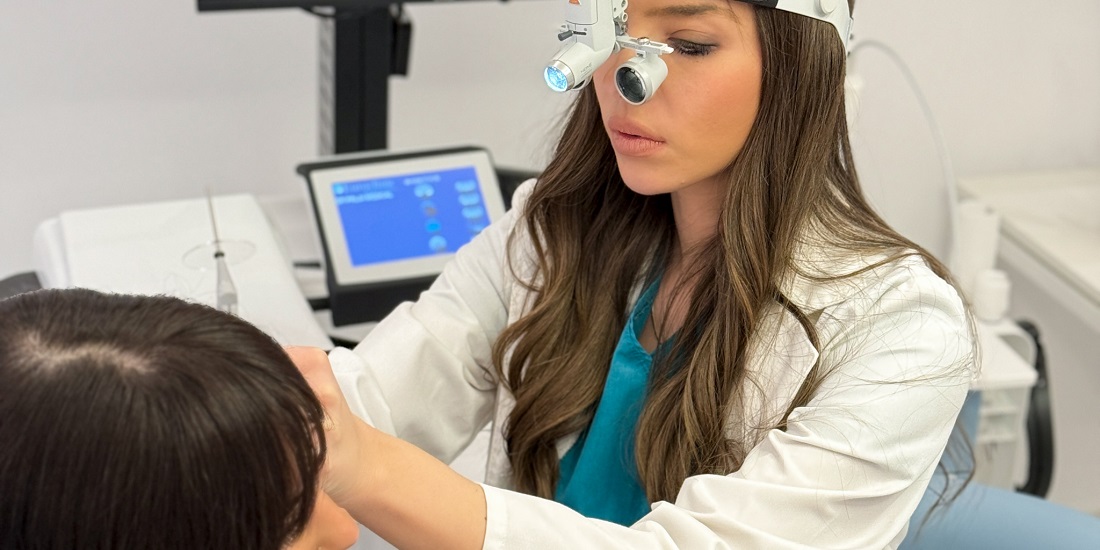
An ear infection may be a symptom or cause of several related conditions. At Dr Prlja Medical Clinic, we perform detailed ENT ear exams to detect possible complications:
- Ear fungus are more common in people who trap moisture in the ear, often from beaches or pools. Symptoms include itching, swelling of the ear canal skin, and pain, usually without high fever.
- Eardrum perforation can occur during acute middle ear infections, often after blockage and pressure. Patients may report fluid discharge. The release may relieve pressure but increases the risk of hearing loss.
- Secretory otitis happens when fluid remains behind the eardrum without infection. It causes a feeling of fullness and temporary hearing loss. It may clear on its own, but long-lasting cases may need tympanometry or ventilation tubes.
- Sinus infections and colds often lead to ear infections due to fluid buildup and Eustachian tube swelling. Facial pain, headaches, and ear inflammation may require sinus treatment.
- Complications such as hearing loss, chronic inflammation, and dizziness – recurrent otitis can cause permanent hearing damage, mastoiditis, or even meningitis. Inner ear inflammation (labyrinthitis) can also lead to dizziness and balance issues.
What happens after the exam – next steps if an ear infection is diagnosed
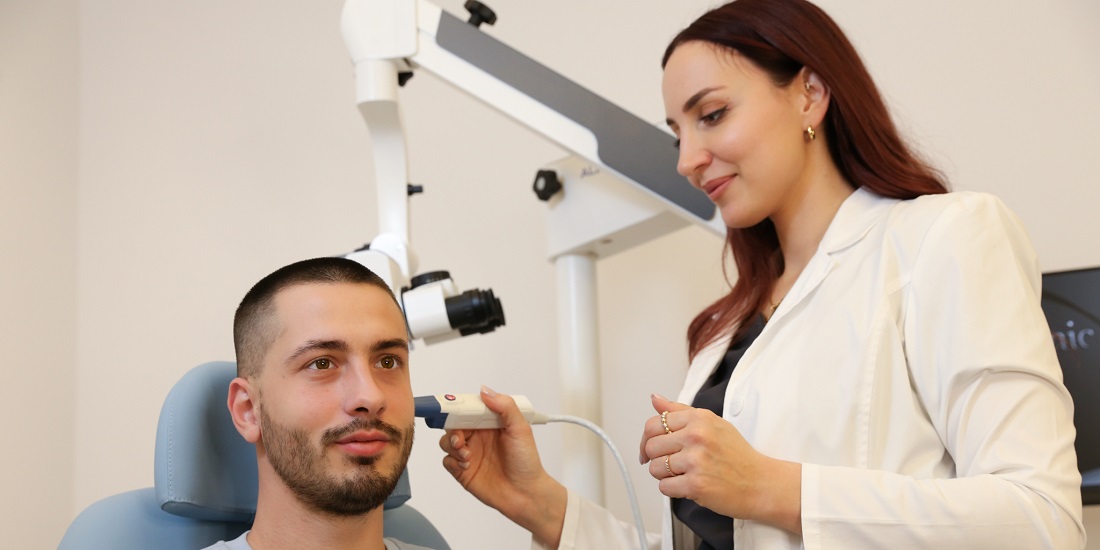
Once the diagnosis is confirmed, treatment depends on the cause of the infection, the patient’s age, and overall health. At Dr Prlja Medical, we take an individualized approach and select therapy that is both effective and safe.
Treatment may include local ear drops, oral antibiotics, or a combination of both. For pregnant or breastfeeding women, we choose medications that are proven to be safe. In children, ear infections are treated carefully, with medication doses adjusted according to body weight and symptom severity. Follow-up steps may include an ear swab, tympanometry, or a consultation with an immunologist to determine any underlying causes.
In some cases, an ear infection may clear up without antibiotics. If symptoms are mild and the patient is otherwise healthy, doctors usually recommend symptomatic treatment (e.g., pain relievers and decongestants). However, if there’s no improvement within 2–3 days, antibiotic therapy is started to prevent complications.
Preventing recurring ear infections
A follow-up exam is usually scheduled 7 to 10 days after treatment begins. If new pain, fever, or ear discharge appears, an earlier evaluation is needed. Your ENT doctor may also recommend allergy testing if infections occur frequently.
If symptoms persist after treatment, we perform additional tests—such as tympanometry, audiometry, or an ear swab. In cases of complications like eardrum perforation, CT scans or consultation with an otologic surgeon may be required for further care.
To lower the risk of recurring infections, we recommend the following:
- Avoid moisture in the ears, especially after showering or swimming.
- Do not use cotton swabs—opt for gentle sprays or rinses recommended by your doctor.
- Keep your nose clear and avoid exposure to cold without protection.
- Watch for symptoms in children, as infections tend to return more often in young patients..
The ENT team at Dr Prlja Medical monitors your condition with regular checkups, tailored advice, and timely treatment to help resolve ear infections effectively.
Why choose Dr Prlja Medical Clinic?
At Dr Prlja Medical in Belgrade, every patient receives the attention they deserve. Our team includes experienced ENT specialists with years of practice in diagnosing and treating ear infections in both children and adults. We tailor our care to each patient, and scheduling is quick and easy, with no long waiting lists. Throughout the process, expert support is available to every patient. We are committed to making every exam safe, clear, and stress-free. Contact us today and book your appointment!
Achieve flawless results with personalized treatments that highlight your natural beauty.

Često postavljana pitanja i odgovori
How long does an ear infection last in children and adults?
In children, an acute ear infection with proper treatment usually clears in 3 to 5 days. In adults, symptoms may last slightly longer—between 5 and 10 days. If symptoms persist beyond 10 days or worsen despite treatment, a follow-up ENT exam is necessary.
Can an ear infection occur without pain?
Yes, it's possible to have an ear infection without strong pain. Some patients only feel fullness, pressure, or mild ringing in the ear. This often happens in secretory otitis media or the early stage of an infection, especially in children and older adults.
Is there a link between ear infections and headphones?
Yes, wearing headphones can contribute to outer ear infections. They increase moisture and warmth in the ear canal, promoting bacterial and fungal growth. Prolonged use without cleaning increases the risk.
How should you sleep with an ear infection?
Sleeping with your head slightly elevated can help drain fluid and reduce pressure. It’s best to sleep on the side of the healthy ear to avoid more discomfort on the affected side.
Can both ears get infected?
Yes, bilateral otitis media (infection in both ears) is common in children, especially under age two. It’s less common in adults but still possible. A double infection usually requires faster diagnosis and precise treatment.
Can ear infections happen after swimming or pool use?
Yes, this is known as swimmer’s ear or outer otitis. You can prevent it by drying your ears thoroughly after swimming, avoiding inserting objects into the ears, and using earplugs if prone to infections. Disinfecting headphones also helps.
Experiences of those who chose us
My experience with Sara was actually my first treatment ever. I had always been skeptical until I met her through a mutual friend. All it took was seeing her flawless skin to completely trust her. Not only does she maintain a natural look, which I really appreciate, with minimal corrections, but she’s also a wonderful friend and, when needed, a great therapist. I always leave her office feeling satisfied and smiling. P.S. She’s the only one who managed to solve my under-eye bags!

-Ksenija Knezevic
Singer
I met Sara a few years ago, and after the first treatment, I was certain – this woman knows what she's doing! I trust her completely, and I love her approach, honesty, and directness. There’s no exaggeration or unnatural looks – just a refreshed, rested, and natural appearance. We always have so much fun, laughing, while also enhancing our beauty. After seeing Sara, I look like I’ve just returned from the best vacation!

-Matea Milosavljevic
Actress
I have known Sara Prlja for more than 15 years, and I can say that everything she envisioned, she has achieved. She has always worked on herself, invested in her knowledge and growth. Her clinic is the perfect place where you will feel comfortable and relaxed, and the service is top-notch. I highly recommend her and her work!

-Aleksandar Dramicanin
Hair & Makeup Artist
Love, trust, and respect are the foundation of every strong and lasting relationship, whether personal or professional. From a medical perspective, we know how essential support is in any healing process, but for me, the relationship between a doctor and a patient is one where trust is especially important. I have complete trust in Sara and always feel confident that everything will be okay. That trust creates a sense of safety and allows real progress, while care and connection give us the space to grow together. I have never viewed my relationship with Sara as just professional, because every time I visit the clinic, it feels more like coming to people I trust and feel close to rather than simply working with a provider. That is the X factor that makes this experience truly valuable to me.

-Nataša Kovačević Njezvanova
Influencer
My experience with Sara has been exceptional in every way. Above all, she is a genuinely kind person and an outstanding professional. Together with her wonderful team, she creates an atmosphere free of fear, where trust comes naturally. I am delighted with the results and feel beautiful, confident, and happy. I wholeheartedly recommend her.

-Mahrina
Singer
I don’t easily trust anyone with my skin care, but the moment I stepped into Dr Prlja Medical, I felt safe and confident in my choice. I wouldn’t replace Sara for anyone else. She combines expertise, warmth, and a genuine love for her profession. Every treatment leaves me feeling refreshed and renewed, both physically and emotionally. Trust me when I say that you are in the right place.

-Anja Ćurčić
Actress