Vocal Cord Surgery
A reliable solution for restoring the natural tone and function of the voice with expert medical care.
 +381 64 4184 444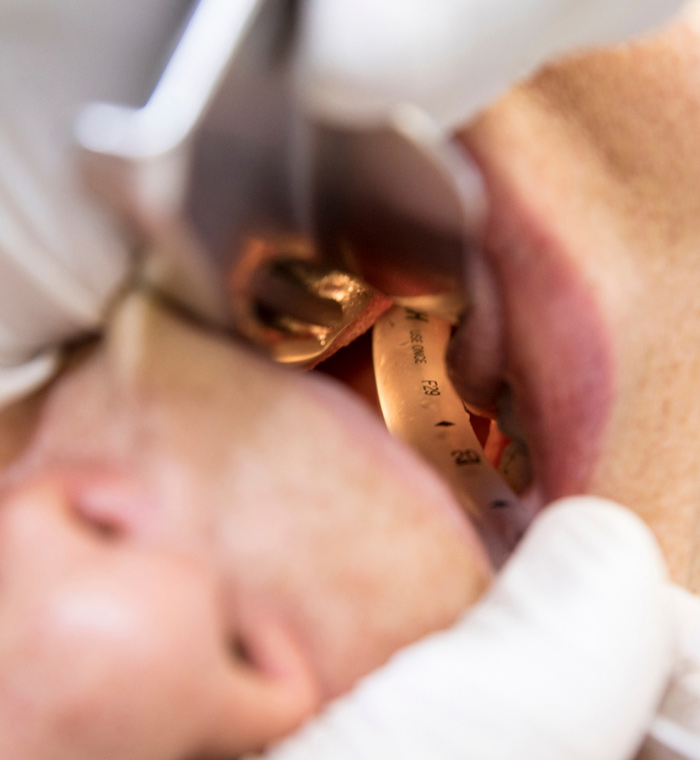
Chronic hoarseness, loss of voice, and a feeling of strain while speaking can be signs of more serious vocal cord problems. When therapeutic treatments do not bring results, vocal cord surgery may be the best solution for restoring normal voice function. The expert team at Dr Prlja Medical Clinic in Belgrade uses modern and safe techniques to ensure a minimally invasive procedure and fast recovery. Your voice deserves the best care – don’t postpone the solution! Call us and find out how we can help you.
What are vocal cords and how do they function?
The vocal cords are two elastic bands of muscle tissue located in the larynx (voice box). Their primary function is to produce sound during speaking, singing, and other vocal activities. When we inhale, the vocal cords are relaxed and apart, allowing air to pass through. When we speak, they come together and vibrate under the pressure of air from the lungs, producing sound that we shape with our lips, tongue, and palate.
In addition to producing sound, the vocal cords also have a protective role – they prevent food and liquids from entering the windpipe during swallowing by reflexively closing the airway.
What can endanger the health of the vocal cords?
The vocal cords are sensitive and prone to damage if overstrained or exposed to irritants. Factors that can negatively affect their health include:
- Excessive voice use: Prolonged or loud talking, singing, or shouting can lead to strain and the formation of nodules or polyps.
- Smoking and irritants: Tobacco smoke, polluted air, and chemicals can cause inflammation and changes in the vocal cord lining.
- Acid reflux: The backflow of stomach acid can irritate the vocal cords, leading to hoarseness and damage.
- Respiratory infections: Viral or bacterial infections can cause laryngeal inflammation and temporary or long-term voice changes.
- Improper breathing and speaking technique: Straining while speaking or incorrect breathing can put extra stress on the vocal cords.
What vocal cord problems exist?
The health of the vocal cords can be affected by various conditions, ranging from mild inflammation to more serious changes that impact voice function. The most common problems include:
- Hoarseness and voice loss: This can be temporary (due to infection or strain) or chronic if it lasts longer than two weeks.
- Nodules and polyps: Non-cancerous growths caused by excessive voice use, often seen in singers, teachers, and public speakers.
- Vocal cord paralysis: Weakness or complete loss of movement in one or both vocal cords, which can make breathing and speaking difficult.
- Granulomas and scarring: Damage that may occur after prolonged intubation, infections, or acid reflux.
- Laryngitis (inflammation of the larynx): Acute or chronic inflammation that leads to hoarseness and difficulty speaking.
How are vocal cord problems diagnosed?
The first sign of vocal cord problems is usually hoarseness or a feeling of tightness in the throat. If symptoms last longer than two weeks, an examination by an ENT specialist is recommended.
Diagnostic methods include:
- Laryngoscopy: Examination of the larynx using a flexible or rigid camera to visualize the vocal cords.
- Stroboscopy: An advanced technique that analyzes the movements of the vocal cords in slow motion, helping to diagnose functional disorders.
- Voice analysis: Recording and analyzing the sound of the voice to assess its stability and strength.
- Breathing and reflex tests: In some cases, breathing patterns are evaluated, as improper vocal cord function can affect airflow.
Early detection of problems allows for timely treatment, which may include voice therapy, lifestyle changes, or surgical intervention, depending on the cause of the symptoms.
What is vocal cord surgery?
Vocal cord surgery is a surgical procedure used to remove abnormalities on the vocal cords—such as nodules, polyps, cysts, granulomas, or other lesions—that may interfere with normal voice function. The surgery is also performed in cases of vocal cord paralysis to improve speech and breathing quality.
Depending on the patient’s condition, the procedure can be minimally invasive and performed endoscopically (microsurgically), using a laser or other precise techniques. The goal of the surgery is to restore normal vocal cord function, reduce symptoms, and improve voice quality without damaging the natural structure of the larynx.
At Dr Prlja Medical, vocal cord surgery is performed under expert supervision using modern methods to ensure a fast recovery and long-lasting results.
Types of vocal cord surgeries
Within ENT surgery, vocal cord operations help address issues such as hoarseness, difficulty breathing, and voice loss. Depending on the type of changes and their impact on the voice, the following procedures are used:
Microsurgery of the vocal cords
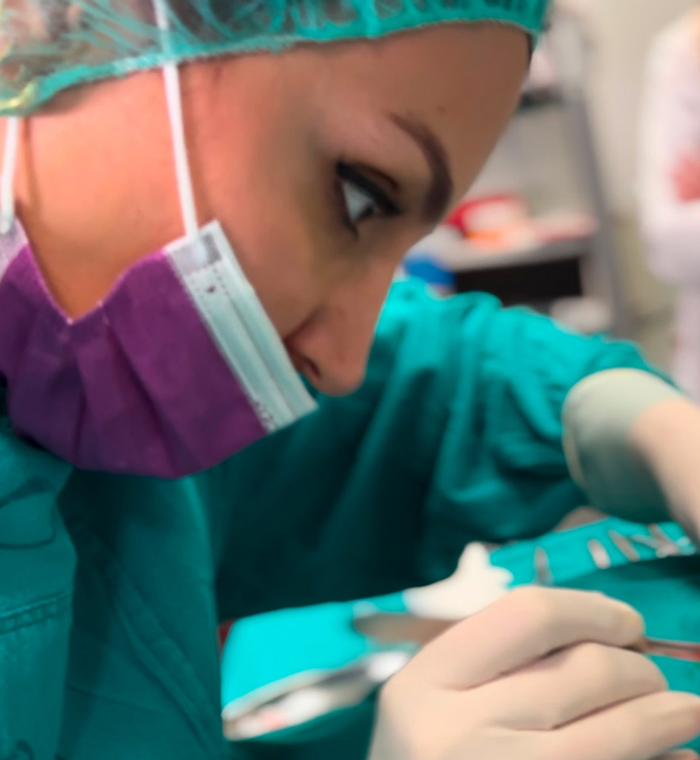
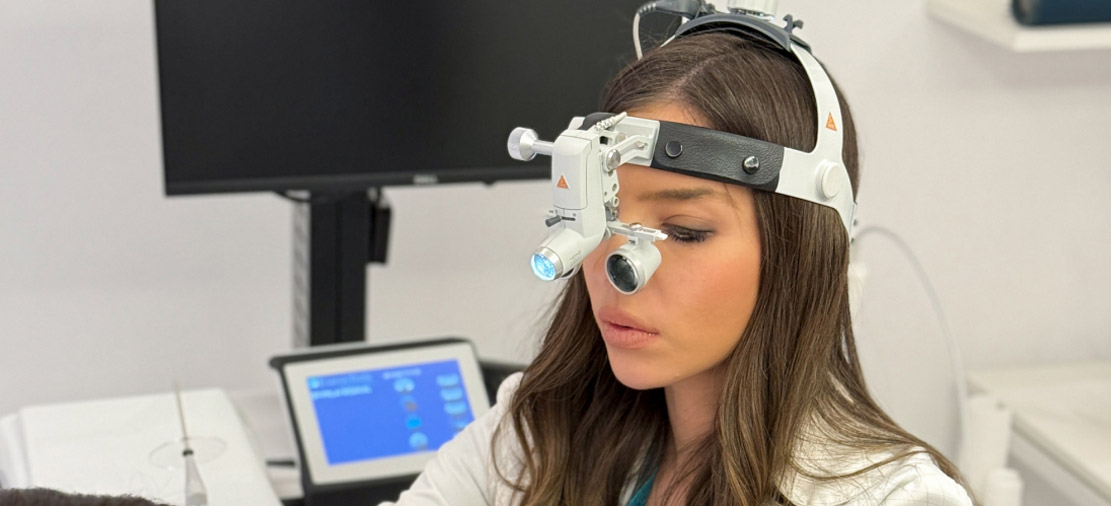
This precise and minimally invasive method uses a microscope and specialized surgical instruments to remove polyps, nodules, cysts, and other benign lesions. The goal is to preserve the natural structure of the vocal cords with minimal tissue damage, ensuring a quick recovery and long-lasting results.
Laser surgery of the vocal cords
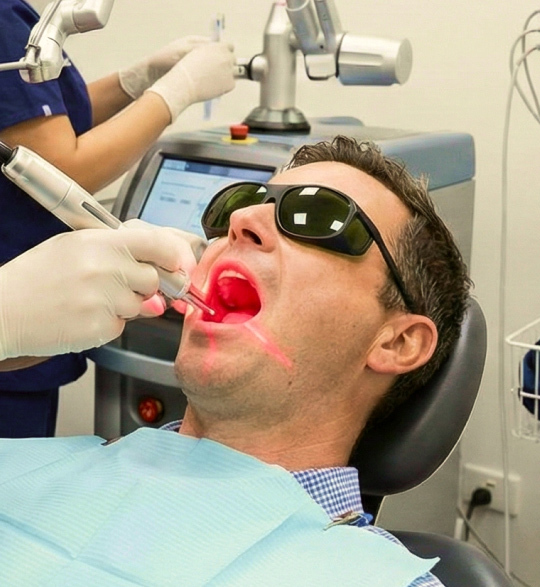
The use of a laser allows for exceptional precision and minimal damage to surrounding tissue, reducing the risk of bleeding and speeding up the healing process. This method is used to remove benign lesions, certain tumors, and changes caused by reflux or trauma.
Surgery for vocal cord paralysis (medialization)
In patients with paralysis or reduced mobility of the vocal cords, this surgery helps improve the voice and ease breathing. The procedure can be performed by injecting material into the vocal cords (injection laryngoplasty) or by shifting them toward the midline to enhance vocal function.
Endoscopic vocal cord surgery
This technique allows for surgical intervention without external incisions, using a flexible endoscope inserted through the mouth or nose. It is used to remove benign lesions and improve vocal cord function, achieving long-lasting results with a minimal recovery period.
At Dr Prlja Medical, all vocal cord surgeries are performed using modern methods and state-of-the-art equipment to provide patients with a safe procedure, quick recovery, and long-lasting voice quality.
Benefits of vocal cord surgery
Vocal cord surgery brings numerous benefits, especially for patients facing issues such as changes in voice quality, difficulty breathing, or discomfort while speaking. One of the most important advantages is the restoration of vocal function, which allows for a clearer and more stable voice, and in many cases, significantly improves quality of life.
For patients with throat nodules, polyps, or granulomas, surgery removes the source of the problem, reducing symptoms like hoarseness, pain, or vocal strain. Individuals with vocal cord paralysis often notice improved voice control and easier breathing after the procedure, contributing to greater comfort and confidence in daily activities.
Possible complications after vocal cord surgery
Although the surgery is safe, temporary side effects may occur:
- Hoarseness or a weaker voice: The voice may be altered in the first few weeks but gradually improves.
- Dryness and throat irritation: Can be relieved with hydration and humidified air.
- Mild pain or discomfort: Easily managed with mild analgesics.
- Difficulty swallowing: Rare and temporary, usually resolves within a few days.
- Scar tissue: In rare cases, it may affect the voice and require additional therapy.
Recovery and Postoperative Care After Vocal Cord Surgery
Proper care after surgery supports fast healing and preserves voice quality.
- Voice rest: Avoid speaking for 5 to 7 days; whispering can also strain the vocal cords.
- Hydration: Drink plenty of water to keep the mucous membranes moist.
- Avoid irritants: Smoking, alcohol, caffeine, and spicy foods can slow down recovery.
After the first few days, speech is gradually reintroduced with professional guidance and without excessive strain.
- Controlled voice use: Returning to speech should be gradual and careful.
- Avoiding strain and coughing: Reduces the risk of vocal cord damage.
- Physical activity: Limit strenuous exertion during the first few weeks.
Even after recovery, it is important to take care of the health of the vocal cords.
- Regular check-ups: Allow monitoring of vocal cord function.
- Voice exercises: Help strengthen and improve speech quality.
- Healthy lifestyle: Hydration and avoiding tobacco are key to a long-lasting voice.
At Dr Prlja Medical, we provide patients with complete postoperative care and personalized recommendations for a faster and safer recovery. With proper treatment and patience, your voice can regain its strength and clarity!
Vocal cord treatment with expert care and support
Your voice matters – for communication, confidence, and the quality of everyday life. At Dr Prlja Medical Clinic in Belgrade, we are dedicated to helping you restore its strength and clarity. Don’t ignore voice issues – the solution is within reach. Vocal cord surgery can be the answer to restoring stability and voice function, with an expert team and support every step of the way. Contact us today and reclaim a voice that doesn’t hold you back!
Achieve flawless results with personalized treatments that highlight your natural beauty.
Frequently Asked Questions and Answers
How long does vocal cord surgery take?
The surgery usually lasts between 30 minutes and 2 hours, depending on the complexity of the procedure. Most procedures are minimally invasive, allowing for a faster recovery.
Is the surgery painful?
The surgery is performed under general anesthesia, so the patient does not feel pain during the procedure. After the surgery, mild throat discomfort may occur, which can be effectively managed with medication.
When can I use my voice again after the surgery?
The doctor usually recommends complete voice rest during the first few days. After that, the voice is gradually reintroduced under the guidance of a voice therapy specialist.
Are the results permanent?
The results of the surgery are generally permanent, but they depend on the cause of the problem and how well the patient follows the doctor's recommendations after the procedure.
Experiences of those who chose us
My experience with Sara was actually my first treatment ever. I had always been skeptical until I met her through a mutual friend. All it took was seeing her flawless skin to completely trust her. Not only does she maintain a natural look, which I really appreciate, with minimal corrections, but she’s also a wonderful friend and, when needed, a great therapist. I always leave her office feeling satisfied and smiling. P.S. She’s the only one who managed to solve my under-eye bags!

-Ksenija Knezevic
Singer
I met Sara a few years ago, and after the first treatment, I was certain – this woman knows what she's doing! I trust her completely, and I love her approach, honesty, and directness. There’s no exaggeration or unnatural looks – just a refreshed, rested, and natural appearance. We always have so much fun, laughing, while also enhancing our beauty. After seeing Sara, I look like I’ve just returned from the best vacation!
-Matea Milosavljevic
Actress
I have known Sara Prlja for more than 15 years, and I can say that everything she envisioned, she has achieved. She has always worked on herself, invested in her knowledge and growth. Her clinic is the perfect place where you will feel comfortable and relaxed, and the service is top-notch. I highly recommend her and her work!
-Aleksandar Dramicanin
Hair & Makeup Artist
Love, trust, and respect are the foundation of every strong and lasting relationship, whether personal or professional. From a medical perspective, we know how essential support is in any healing process, but for me, the relationship between a doctor and a patient is one where trust is especially important. I have complete trust in Sara and always feel confident that everything will be okay. That trust creates a sense of safety and allows real progress, while care and connection give us the space to grow together. I have never viewed my relationship with Sara as just professional, because every time I visit the clinic, it feels more like coming to people I trust and feel close to rather than simply working with a provider. That is the X factor that makes this experience truly valuable to me.

-Nataša Kovačević Njezvanova
Influencer
My experience with Sara has been exceptional in every way. Above all, she is a genuinely kind person and an outstanding professional. Together with her wonderful team, she creates an atmosphere free of fear, where trust comes naturally. I am delighted with the results and feel beautiful, confident, and happy. I wholeheartedly recommend her.

-Mahrina
Singer
I don’t easily trust anyone with my skin care, but the moment I stepped into Dr Prlja Medical, I felt safe and confident in my choice. I wouldn’t replace Sara for anyone else. She combines expertise, warmth, and a genuine love for her profession. Every treatment leaves me feeling refreshed and renewed, both physically and emotionally. Trust me when I say that you are in the right place.

-Anja Ćurčić
Actress