
Retinol in skin care: Everything you need to know
 +381 64 4184 444
Retinol is one of the most well-known ingredients in aesthetics and dermatology. It comes from vitamin A and helps skin cells renew faster. As a result, the skin looks healthier, and imperfections become less visible. When used correctly, it reduces wrinkles, evens skin tone, and supports natural elasticity. It is especially valued for its effect on acne control, so people with different skin types use it. Retinol in skin care provides a simple way to support a healthy facial appearance. When introduced gradually and with expert guidance, it can make skin texture softer and the tone more even.
Benefits of retinol in skin care
Retinol is a form of vitamin A found in many creams and serums. When applied to the skin, it undergoes changes, enters the cells, and helps them regenerate. On the skin’s surface, retinol accelerates the shedding of old cells and brings new ones to the surface. As a result, the skin becomes smoother and the complexion more even.

In the deeper layers, it stimulates the elastin and collagen production. Collagen gives the skin firmness, while elastin provides elasticity. When these proteins are sufficient, wrinkles and fine lines become less visible. Retinol also helps cells retain moisture more effectively, giving the skin a plumper and fresher look. In this way, it works both on the surface and within, improving skin texture and tone.
How does retinol act on different skin layers?
Retinol works inside the cells by influencing proteins in their nuclei. These proteins act like “switches” that activate genes responsible for growth, maturation, and skin renewal.
- In the deeper skin layer, the dermis, retinol stimulates fibroblasts—cells that produce connective fibers—to create more procollagen type I and III. These are the main forms of collagen that provide firmness and elasticity. At the same time, it reduces the activity of enzymes that break down collagen, keeping fibers more stable and wrinkles less pronounced.
- In the outer layer, the epidermis, retinol speeds up the turnover of keratinocytes, the cells that make up most of the skin. This makes the surface smoother and the complexion more even. In the case of dark spots, faster renewal disperses melanin, the pigment that gives color, so spots gradually fade. Retinol also affects melanocytes, the cells that produce pigment, making new irregularities appear more slowly.
- In the pores, retinol regulates the formation of the horny layer of the skin, preventing microcomedones—tiny clogged pores that are the first sign of acne. This way pores stay clear, sebum, the skin’s natural oil, flows more easily, and inflammation decreases.
In addition, retinol stimulates the production of glycosaminoglycans, molecules that retain water in the skin. This gives a plumper, more hydrated, and fresher appearance. That is why it is recommended if you notice signs that your skin is lacking hydration. Thanks to all these processes, the texture becomes finer, the tone more even, and the face looks healthier.
How to use retinol correctly
It is recommended to introduce retinol gradually:
- In the initial phase, apply it every third evening. Once the skin shows good tolerance, you can increase the frequency.
- The safest time to apply retinol is in the evening, since daylight can reduce its effectiveness and increase the risk of irritation. Before application, the skin should be completely clean and dry. Damp skin can absorb more product, which raises the chance of discomfort.
- If you have sensitive skin, you can apply a layer of neutral moisturizer before and after retinol to combine these cosmetic products without causing irritation.
- During the day, it is essential to use sunscreen with at least SPF 30, as retinol makes the skin more sensitive to sunlight. Regardless of the weather, UV protection is an important part of the routine.
- At the beginning, it is also advised to prepare the skin with gentle products free of strong active ingredients to avoid hypersensitivity.
If you notice redness, peeling, or burning, reduce the frequency of use or take a break until the skin calms. If the condition worsens and leads to cracked skin or painful rashes, contact your nearest anti age center and schedule a professional consultation.
How to choose the right retinol product
Choosing a retinol product depends on skin type, goals, and previous experience. Formulations vary: serums are lightweight, penetrate faster, and usually contain higher concentrations of the active ingredient, while creams are thicker and combine retinol with moisturizing components like ceramides or hyaluronic acid, making them more suitable for dry and sensitive skin.
Concentration is especially important. Beginners should start with low levels, around 0.1% to 0.3%, as the skin needs time to build tolerance. Once the skin adapts, it is possible to move to stronger formulas, such as 0.5% or higher, but only if no irritation occurs. For very sensitive skin, milder derivatives such as retinyl palmitate or retinaldehyde are often recommended. They cause less discomfort, although results take longer to appear.
Tips for choosing the right retinol formula
There are brands on the market that offer formulations designed for different needs. CeraVe serums with retinol are enriched with ceramides that restore the skin barrier, while La Roche-Posay combines retinol with vitamin B3 for a soothing effect. These additions help balance the stronger action of retinol and reduce the risk of irritation.
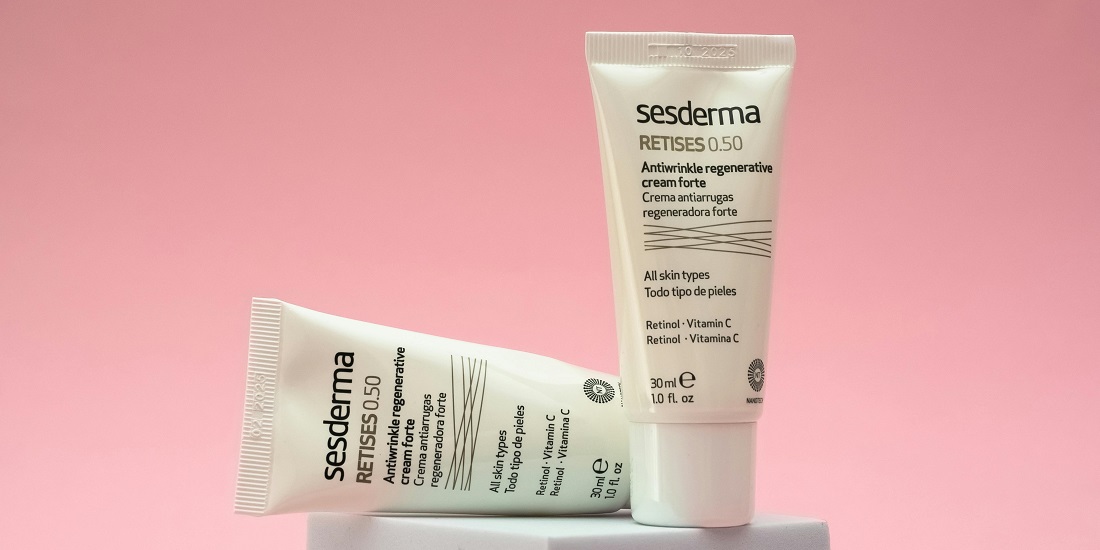
When reading product labels, it is important to pay attention to the type of retinoid, the order of ingredients, and the usage recommendations. If retinol is listed among the first few ingredients, it usually means the product contains it in an effective concentration. Also look for notes such as “for night care,” “gentle formula,” or “for sensitive skin,” as these can help you determine whether the product suits your needs.
Ultimately, the choice depends on your goals and how your skin reacts. If you are a beginner, a lower-concentration serum combined with a quality moisturizing cream for your face is the best option. If your goal is a stronger anti-age routine, you can choose formulations that combine retinol with soothing or hydrating ingredients to ensure the effect is both powerful and tolerable. The right decision is the one that fits your skin and can be used consistently without discomfort.
Other active ingredients and retinol in skin care: What are the right combinations?
Retinol is often compared to other popular skin care ingredients, as each works differently.
- Compared to hyaluronic acid, the main difference lies in function. Hyaluronic acid, unlike retinol, does not stimulate renewal but binds water and preserves skin moisture. This makes the skin appear plumper and softer. When combined, their effects complement each other, as hyaluronic acid reduces dryness and tightness sometimes caused by retinol.
- Vitamin C acts differently. It is a strong antioxidant that protects cells from damage, supports collagen production, and brightens the complexion. Retinol, on the other hand, promotes faster cell turnover and renewal of deeper skin layers. That is why it is practical to use vitamin C in the morning and retinol in the evening, so both ingredients fulfill their role and the risk of irritation is reduced.
- Niacinamide has an additional function. It strengthens the skin barrier, reduces moisture loss, and regulates sebum production. It also soothes redness and minimizes irritation. Retinol may cause mild reactions, but when combined with niacinamide, the effect becomes more balanced. This is why the combination is often recommended in evening routines, as it delivers results with better tolerance.
Common mistakes when using retinol
Retinol can deliver excellent results, but only if used correctly. Incorrect application may cause discomfort and make you give up before seeing the benefits. Here are the most common mistakes and what actually happens in the skin:
- Applying too much product. Retinol is very potent and works in small amounts. Using too much makes the skin absorb a higher dose than needed. This can overload the cells, speed up peeling, and cause redness, burning, and irritation. A pea-sized amount is enough for the whole face.
- Skipping SPF during the day. Retinol speeds up cell turnover and thins the upper skin layer, making it more sensitive to sunlight. Mistakes with SPF use in combination with retinol can lead to spots, irritation, and faster aging.
- Combining with other strong active ingredients. Acid-based formulas like AHA or BHA already exfoliate the skin, and high concentrations of vitamin C can further burden cells. When combined with retinol, the skin barrier weakens, causing dryness, rashes, or inflammation. That is why it is best to use retinol separately, usually in the evening.
- Being impatient with results. Skin renewal takes time. Fibroblasts, the cells that produce collagen, need several weeks to start generating new fibers. Keratinocytes, the cells forming the skin surface, also require several cycles to renew. Visible improvements usually appear after six to eight weeks, while full results take several months.
Take your skin care to the next level
Retinol in skin care offers numerous benefits that can support a healthier and younger-looking face. It stimulates cell renewal, helps reduce wrinkles, lightens dark spots, and promotes an even complexion. When used gradually and correctly, it can improve skin texture, making it softer and more elastic. It is especially valued for delivering long-term results while fitting easily into a daily routine.