Snoring Treatment
Resolve snoring problems with advanced methods that ensure restful and uninterrupted sleep.
 +381 64 4184 444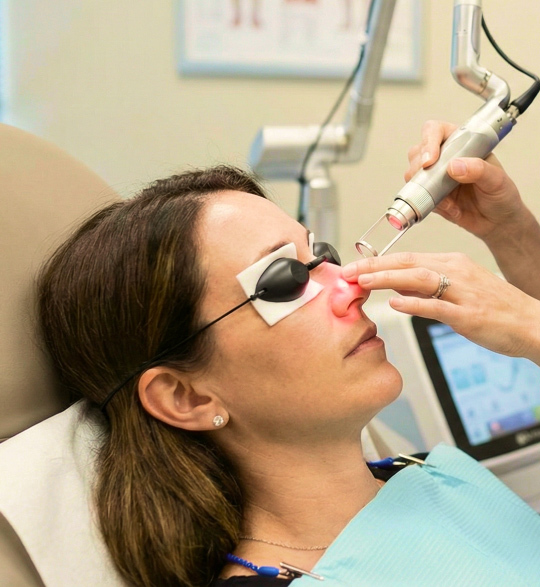
Snoring isn’t just a nuisance—it can significantly impact your sleep quality, energy levels, and overall health. If you often wake up tired or your partner frequently mentions your loud snoring, it’s time to consider a solution. Snoring treatment doesn’t just ensure quieter nights—it also provides better sleep, increased energy, and improved overall health. At Dr Prlja Medical in Belgrade, we’re dedicated to finding an effective solution tailored specifically to you. Schedule a consultation and take the first step toward restful sleep.
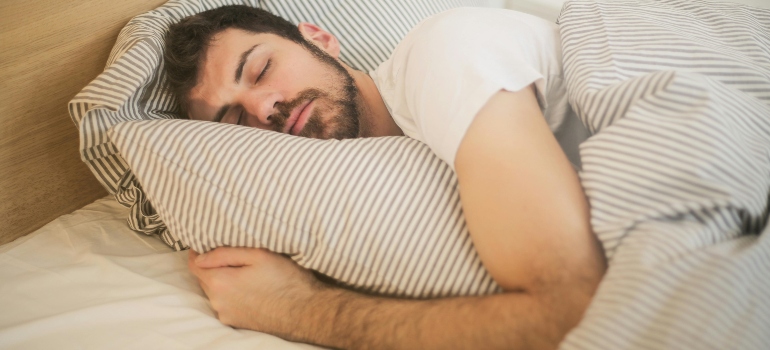
What causes snoring?
Snoring occurs when airflow through the airways is partially obstructed during sleep, causing vibration of soft tissues and producing the characteristic sound. The main causes of snoring include:
- Airway anatomy: A low, thick soft palate or enlarged uvula can narrow the airway, restricting airflow.
- Excess tissue: Enlarged tonsils, adenoids, or excess fatty tissue in the throat area can narrow the airways, leading to snoring.
- Obesity: Increased body weight can contribute to airway narrowing due to the accumulation of fatty tissue around the neck.
- Sleeping position: Sleeping on your back can cause the tongue and soft tissues to relax backward, partially blocking the airway.
In addition to these factors, certain medical conditions can contribute to snoring:
- Sleep apnea: A condition characterized by repeated interruptions in breathing during sleep, often causing loud snoring and daytime fatigue.
- Allergies: Inflammation and swelling of the nasal passages due to allergies can cause nasal congestion, forcing mouth breathing and increasing the risk of snoring.
- Deviated nasal septum: A crooked or deviated septum can obstruct normal airflow through the nose, contributing to snoring.
Effective treatments for snoring
Treatment options for snoring range from non-invasive techniques to surgical procedures, depending on the severity of the issue and the patient’s preferences.
Non-invasive techniques
The CPAP device is a non-invasive method that helps keep the airways open during sleep, preventing snoring. It is particularly suitable for patients who prefer to avoid surgery or for whom surgery isn’t an optimal option.
Surgical options
Snoring and sleep apnea can often be effectively treated through surgical methods, depending on the location and cause of airway obstruction. Surgery can address several levels, including:
- Throat and back of the mouth: particularly in cases where excess soft tissue in the throat or back of the mouth contributes to airway obstruction.
- LAUP (Laser Assisted Uvulopalatoplasty) is our standard method for treating snoring. This procedure involves shortening the uvula and tightening the soft palate, expanding the airway opening in the oral cavity. Laser treatment is performed using a CO₂ laser under local or general anesthesia, depending on patient needs. The advantage of local anesthesia is a faster procedure.

Diagnostics and preparation for treatment
Accurately identifying the cause of snoring is essential for selecting the appropriate treatment. The most common diagnostic methods include:
- Polysomnography – A sleep study that monitors snoring intensity, oxygen levels, and frequency of apnea episodes during sleep.
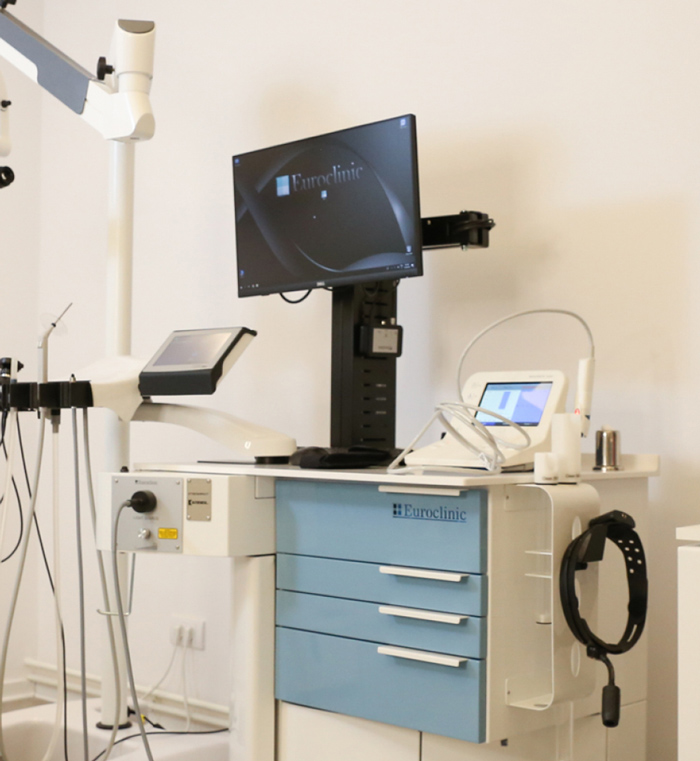
- Nasal endoscopy – An examination method that provides a detailed view of nasal and throat structures, allowing precise assessment of airway obstructions and abnormalities.
- Direct sleep endoscopy under anesthesia – A precise diagnostic method used in specific cases to accurately identify airway obstructions during sleep.
Septoplasty – surgical correction of a deviated nasal septum
If snoring is caused by a deviated nasal septum, septoplasty is recommended—a surgical procedure that corrects the deviation and improves airway passage. This intervention enhances airflow, reduces obstruction, and effectively alleviates snoring.
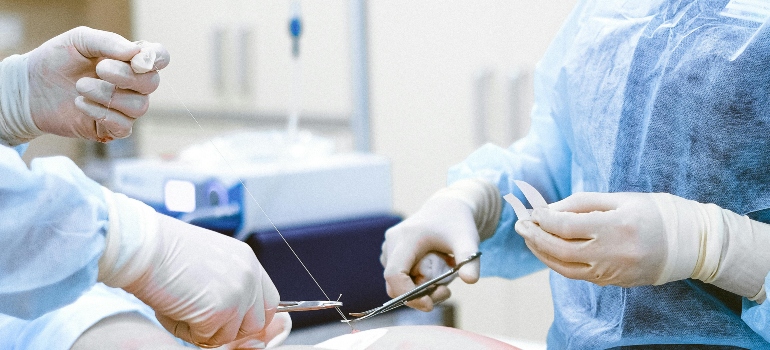
Say goodbye to snoring with Dr Prlja Medical
Snoring can significantly affect sleep quality and daily life, but choosing the right specialist makes all the difference. At Dr Prlja Medical, our expert team provides precise diagnostics and effective treatments to help you regain restful sleep and improve your overall quality of life.
- Personalized approach – Every patient is unique, so we customize our treatments according to your individual needs.
- Tailored therapies – From non-invasive treatments to anti-snoring surgery, each approach is designed specifically to improve your breathing and sleep quality.
- Effective treatments – From non-invasive therapies to surgical solutions, each method is tailored specifically to the patient to improve breathing and enhance sleep quality.
- Minimally invasive techniques – When surgical correction is necessary, we employ advanced methods that ensure minimal recovery time and maximum comfort.
- Expert care – Led by Dr. Sara Prlja, our experienced team utilizes modern techniques to achieve long-lasting and natural results.
Don’t let snoring disrupt your sleep and daily life. Dr Prlja Medical offers lasting solutions – schedule an ENT consultation today and take the first step toward quieter, healthier sleep.
Don’t wait—improve your sleep today
Snoring isn’t just a minor inconvenience—its impact on your sleep quality, health, and daily functioning should never be underestimated. The right treatment can provide restful nights, increased energy, and improved vitality. At Dr Prlja Medical in Belgrade, we offer safe and effective solutions tailored to your individual needs. Schedule a consultation today and reclaim the restful sleep you deserve.
Achieve flawless results with personalized treatments that highlight your natural beauty.
Frequently Asked Questions
Is snoring dangerous for your health?
Although often considered harmless, snoring can be a symptom of more serious conditions, such as obstructive sleep apnea.
How can I know if I have sleep apnea?
If you frequently wake up feeling tired, experience nighttime choking sensations, morning headaches, or if your partner notices loud, interrupted snoring, you may have sleep apnea. A precise diagnosis can be made through polysomnography—a sleep study that monitors your breathing patterns during sleep.
Is there a simple way to reduce snoring at home?
Lifestyle changes can help in certain cases. Weight loss, avoiding alcohol before bedtime, sleeping on your side, and using specialized pillows may reduce snoring. If the problem persists, it's advisable to seek professional evaluation.
How long is the recovery after snoring surgery?
Recovery time depends on the type of procedure performed. With minimally invasive techniques, such as Laser-Assisted Uvulopalatoplasty (LAUP), patients typically return to daily activities quickly. For more complex procedures, such as septoplasty, full recovery may take several weeks.
Do snoring treatments provide permanent results?
Most treatments provide long-term or permanent results, but this depends on the underlying cause of snoring and adherence to recommended lifestyle changes. Surgical procedures and laser treatments typically yield stable and lasting results, whereas CPAP therapy requires ongoing use to maintain effectiveness.
Experiences of those who chose us
My experience with Sara was actually my first treatment ever. I had always been skeptical until I met her through a mutual friend. All it took was seeing her flawless skin to completely trust her. Not only does she maintain a natural look, which I really appreciate, with minimal corrections, but she’s also a wonderful friend and, when needed, a great therapist. I always leave her office feeling satisfied and smiling. P.S. She’s the only one who managed to solve my under-eye bags!
-Ksenija Knezevic
Singer
I met Sara a few years ago, and after the first treatment, I was certain – this woman knows what she's doing! I trust her completely, and I love her approach, honesty, and directness. There’s no exaggeration or unnatural looks – just a refreshed, rested, and natural appearance. We always have so much fun, laughing, while also enhancing our beauty. After seeing Sara, I look like I’ve just returned from the best vacation!
-Matea Milosavljevic
Actress
I have known Sara Prlja for more than 15 years, and I can say that everything she envisioned, she has achieved. She has always worked on herself, invested in her knowledge and growth. Her clinic is the perfect place where you will feel comfortable and relaxed, and the service is top-notch. I highly recommend her and her work!
-Aleksandar Dramicanin
Hair & Makeup Artist
Love, trust, and respect are the foundation of every strong and lasting relationship, whether personal or professional. From a medical perspective, we know how essential support is in any healing process, but for me, the relationship between a doctor and a patient is one where trust is especially important. I have complete trust in Sara and always feel confident that everything will be okay. That trust creates a sense of safety and allows real progress, while care and connection give us the space to grow together. I have never viewed my relationship with Sara as just professional, because every time I visit the clinic, it feels more like coming to people I trust and feel close to rather than simply working with a provider. That is the X factor that makes this experience truly valuable to me.

-Nataša Kovačević Njezvanova
Influencer
My experience with Sara has been exceptional in every way. Above all, she is a genuinely kind person and an outstanding professional. Together with her wonderful team, she creates an atmosphere free of fear, where trust comes naturally. I am delighted with the results and feel beautiful, confident, and happy. I wholeheartedly recommend her.

-Mahrina
Singer
I don’t easily trust anyone with my skin care, but the moment I stepped into Dr Prlja Medical, I felt safe and confident in my choice. I wouldn’t replace Sara for anyone else. She combines expertise, warmth, and a genuine love for her profession. Every treatment leaves me feeling refreshed and renewed, both physically and emotionally. Trust me when I say that you are in the right place.

-Anja Ćurčić
Actress