
Diagnosis of allergic rhinitis
 +381 64 4184 444
Allergic rhinitis can greatly affect daily life, work, and sleep. Symptoms like sneezing, nasal congestion, and itching often don’t go away on their own. At Dr Prlja Medical in Belgrade, allergic rhinitis is diagnosed quickly and accurately. Based on the symptoms, doctors identify the cause and suggest appropriate treatment. A proper diagnosis helps keep the condition under control throughout the year. If you notice persistent symptoms, professional help can bring relief. Schedule an appointment at our clinic and take the first step toward symptom relief.

What is allergic rhinitis and why you shouldn’t ignore the symptoms
Allergic rhinitis is a common reaction of the body to everyday substances in the environment. The nasal mucosa overreacts to allergens that are not harmful by themselves but are seen as a threat by the immune system. This triggers a defense response that causes sneezing, a runny or stuffy nose, and itching. It is often mistaken for a cold, but there are key differences. Allergic rhinitis does not cause a fever, and symptoms repeat under the same conditions or during the same seasons.
What types of allergic rhinitis exist?
Razlikuju se dve vrste alergijskog rinitsa:
- Seasonal allergic rhinitis typically appears in spring, summer, or fall. It is usually caused by pollen from grass, trees, and weeds. Symptoms start when pollen levels rise and stop after the blooming season ends. Symptoms return each year at the same time, making them easier to recognize.
- Perennial allergic rhinitis lasts all year and does not depend on the season. It is mostly triggered indoors by dust, mites, mold, and pet dander. People with this type often have a constantly stuffy nose without a cold, mild runny nose, itching, and fatigue — even when the weather outside is stable.
Symptoms may appear occasionally or persist.
- Intermittent allergic rhinitis occurs from time to time and lasts for a shorter period.
- Persistent allergic rhinitis lasts longer and strongly affects daily life. Without treatment, symptoms can continue for weeks or months and won’t go away on their own.
Most common symptoms of allergic rhinitis
Allergic rhinitis has a recognizable pattern of symptoms that usually appear in waves. Some are mild, while others can seriously affect daily life. Our ENT specialists at Dr Prlja Medical help patients receive a quick diagnosis and relief.
The most common symptoms include:
- Frequent sneezing, especially in the morning or after going outside – caused by histamine release and nasal lining irritation after allergen exposure.
- Itching in the nose and the back of the throat – due to stimulation of nerve endings by inflammatory mediators.
- Clear nasal discharge or persistent congestion – caused by increased mucus production and swelling of the nasal lining.
- Watery and red eyes, often with a burning sensation – triggered by conjunctival inflammation from allergen contact.
- Headache or sinus pressure – caused by mucus buildup due to swollen nasal passages.
- Fatigue and poor sleep – chronic rhinitis worsens breathing at night. Lying down increases congestion, which disrupts sleep.
- Reduced sense of smell and throat irritation – swelling blocks smell receptors, and mucus irritates the back of the throat.
Allergic rhinitis in children: Is there a difference?
Allergic rhinitis in children and adults has similar causes and core symptoms, but the condition differs in several important ways. Children often can’t describe how they feel, so the first sign of allergic rhinitis is usually difficulty breathing. Symptoms in children can often be recognized through behavior:
- mouth breathing
- rubbing the nose
- red eyes
- sleep and attention problems
In adults, the symptoms are more clearly expressed. In children, signs are often more visible — dark circles under the eyes and a nasal voice. If children snore at night, this may also be a sign. Symptoms tend to affect focus and school performance more. While the same diagnostic methods apply across all ages, results in children are interpreted more carefully since their immune systems are still maturing. Treatment is also adjusted based on age and symptom severity.
How is allergic rhinitis diagnosed?
The examination lasts between 30 and 60 minutes. Before your visit, it’s helpful to bring a list of current medications and any previous results, if available. In most cases, results are provided the same day, and the doctor will suggest a treatment plan right away.
Clinical examination
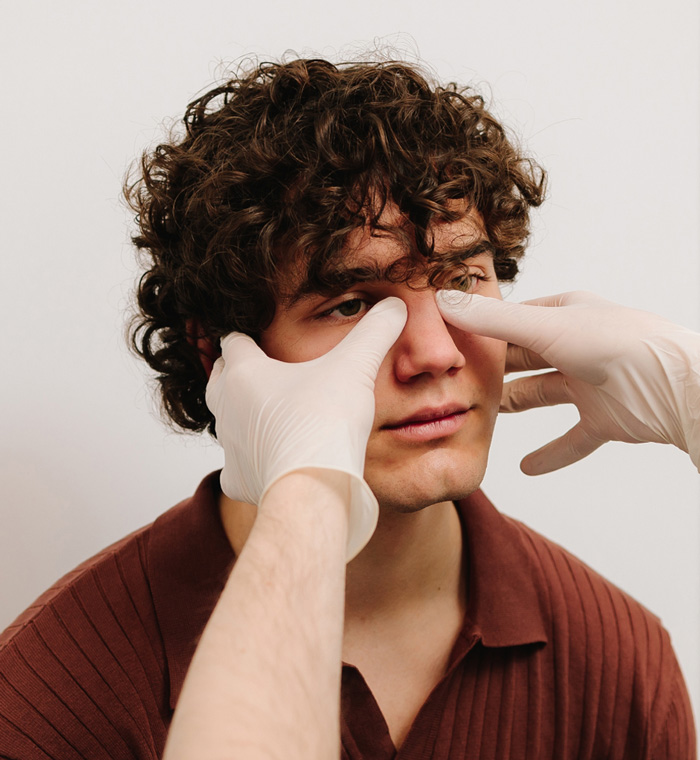
- ENT nasal exam: The first step in diagnosing allergic rhinitis. During this exam, the doctor closely examines the:
- nasal cavity
- mucous membranes
- sinuses
This step helps detect structural issues that may be causing symptoms and evaluates the severity of inflammation. Based on the findings, further testing may be recommended.
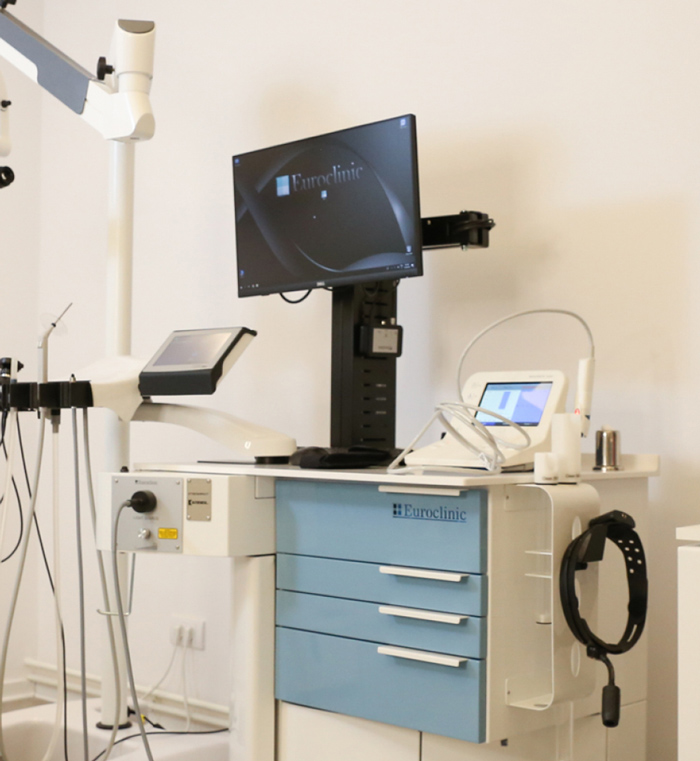
- Endoscopic exam: This painless and noninvasive procedure allows the doctor to view the inside of the nose and sinuses using a small camera. It is used when structural changes are suspected, such as:
- nasal polyps
- blockage due to allergies
- sinus inflammation
Allergy testing
- Prick test (skin testing): The most commonly used allergy test for identifying allergens. Small amounts of allergens are applied to the skin, and the reaction is monitored and evaluated.
- Nasal provocation test (NPT): A test in which allergens are applied through the nasal passage to directly assess the response of the nasal mucosa.

Cytological analyses
Nasal smear for eosinophils: This test analyzes the presence of eosinophils in a nasal swab. A result up to 5% is considered normal, while a higher percentage suggests an allergic response.
Blood tests
- Eosinophil count: An elevated number of eosinophils may indicate an allergic reaction.
- IgE measurement, RIST, and RAST tests: These tests detect specific antibodies and help identify allergens responsible for the reaction.
What do my results mean?
An allergic rhinitis exam enables accurate identification of allergens causing symptoms. Based on the skin prick test or blood test results, it is possible to determine whether a patient reacts to inhaled allergens such as pollen from grasses, trees, weeds, house dust mites, mold, or pet allergens like cat or dog dander.
In addition to identifying allergens, the intensity of the allergic reaction is assessed. The size of the skin reaction in the prick test (measured in millimeters) or the concentration of specific IgE antibodies in the blood (classified from 0 to 6) reflects the level of sensitization. Higher values usually indicate a greater risk of stronger symptoms and potentially more complex clinical conditions.
In some cases, tests can reveal cross-reactivities — situations where the body reacts to related allergens due to similar molecular structures. For example, a person sensitized to birch pollen may develop symptoms after eating apples, hazelnuts, or carrots.
How is allergic rhinitis treated?
Allergic rhinitis cannot be completely cured, but with proper diagnosis and treatment, symptoms can be managed. This leads to better sleep, easier breathing, and improved quality of life. A specialist ENT exam is a safe way to identify the cause of symptoms and find the right solution.
Immunotherapy (desensitization) is the only treatment that targets the root cause of allergic rhinitis. It is used in patients with strong sensitivity to airborne allergens like pollen, dust mites, mold, and pet dander, especially when standard therapy is not effective. Treatment can be delivered in two ways:
- Sublingually as tablets placed under the tongue
- Subcutaneously in a series of injections

The treatment period for allergic rhinitis lasts from 3 to 5 years. Immunotherapy does not guarantee a complete cure, but in many cases, it leads to lasting symptom reduction and increased tolerance to allergens. For patients who follow the therapy regularly as recommended, significant improvement may be noticeable within a few months.
Progress is monitored through check-ups every three to six months. During these visits, the dosage, treatment duration, or allergy status may be adjusted if needed. This systematic approach provides safe and long-term symptom relief for most patients.
Allergic rhinitis: Treatment, additional measures, and lifestyle changes
In some cases, along with immunotherapy, dietary adjustments are recommended — especially if a confirmed cross-allergy exists. This comprehensive approach helps maintain long-term symptom control, increases allergen tolerance, and significantly improves quality of life.
n addition to medical treatment, the following measures are recommended to reduce allergen exposure in daily life:
- regularly ventilating rooms
- using HEPA filters in air conditioners and air purifiers
- washing bedding at high temperatures to reduce dust mites
Schedule a diagnosis and find the cause of your symptoms
Dr Prlja Medical in Belgrade offers complete diagnostic services for allergic rhinitis, supported by an experienced team of ENT and allergy specialists. Scheduling is quick and easy. The team will do their best to find the earliest available appointment that suits you. If you are experiencing symptoms that suggest allergic rhinitis, don’t delay — get diagnosed in time. Book your appointment and take the first step toward an accurate diagnosis and symptom relief.
Achieve flawless results with personalized treatments that highlight your natural beauty.
Frequently asked questions and answers
Can I take an allergy test while using allergy medication?
No, the results may be inaccurate if you’re using antihistamines. Medications should be stopped 5–7 days before testing, but only with your doctor’s approval.
Can allergies appear in adulthood even if I didn’t have them before?
Yes, allergies can develop at any age. Some people experience them for the first time as adults, even without a family history.
Can allergic rhinitis turn into asthma?
Yes, especially if left untreated. There is a link between rhinitis and asthma, as both involve similar immune mechanisms.
Is allergic rhinitis hereditary?
Genetics play a role. If one or both parents have allergies, the child is more likely to develop similar conditions.
Can I use medication and immunotherapy at the same time?
Yes, this is standard practice. Medication helps relieve symptoms, while immunotherapy works long-term on the root cause.
Can allergic rhinitis go away on its own?
In some children, symptoms may ease with age, but in most cases, without treatment, the condition remains the same or worsens. Timely treatment offers long-term relief.
Who should not undergo immunotherapy?
Immunotherapy is not recommended for people with autoimmune diseases, chronic infections, or uncontrolled severe asthma. A doctor will decide based on your overall health.
Experiences of those who chose us
My experience with Sara was actually my first treatment ever. I had always been skeptical until I met her through a mutual friend. All it took was seeing her flawless skin to completely trust her. Not only does she maintain a natural look, which I really appreciate, with minimal corrections, but she’s also a wonderful friend and, when needed, a great therapist. I always leave her office feeling satisfied and smiling. P.S. She’s the only one who managed to solve my under-eye bags!

-Ksenija Knezevic
Singer
I met Sara a few years ago, and after the first treatment, I was certain – this woman knows what she's doing! I trust her completely, and I love her approach, honesty, and directness. There’s no exaggeration or unnatural looks – just a refreshed, rested, and natural appearance. We always have so much fun, laughing, while also enhancing our beauty. After seeing Sara, I look like I’ve just returned from the best vacation!

-Matea Milosavljevic
Actress
I have known Sara Prlja for more than 15 years, and I can say that everything she envisioned, she has achieved. She has always worked on herself, invested in her knowledge and growth. Her clinic is the perfect place where you will feel comfortable and relaxed, and the service is top-notch. I highly recommend her and her work!

-Aleksandar Dramicanin
Hair & Makeup Artist
Love, trust, and respect are the foundation of every strong and lasting relationship, whether personal or professional. From a medical perspective, we know how essential support is in any healing process, but for me, the relationship between a doctor and a patient is one where trust is especially important. I have complete trust in Sara and always feel confident that everything will be okay. That trust creates a sense of safety and allows real progress, while care and connection give us the space to grow together. I have never viewed my relationship with Sara as just professional, because every time I visit the clinic, it feels more like coming to people I trust and feel close to rather than simply working with a provider. That is the X factor that makes this experience truly valuable to me.

-Nataša Kovačević Njezvanova
Influencer
My experience with Sara has been exceptional in every way. Above all, she is a genuinely kind person and an outstanding professional. Together with her wonderful team, she creates an atmosphere free of fear, where trust comes naturally. I am delighted with the results and feel beautiful, confident, and happy. I wholeheartedly recommend her.

-Mahrina
Singer
I don’t easily trust anyone with my skin care, but the moment I stepped into Dr Prlja Medical, I felt safe and confident in my choice. I wouldn’t replace Sara for anyone else. She combines expertise, warmth, and a genuine love for her profession. Every treatment leaves me feeling refreshed and renewed, both physically and emotionally. Trust me when I say that you are in the right place.

-Anja Ćurčić
Actress
Related Services

Allergy Testing
Assessment of nasal septum deviation
Endoscopic Examination
Sinus Treatment
Sinus Ultrasound
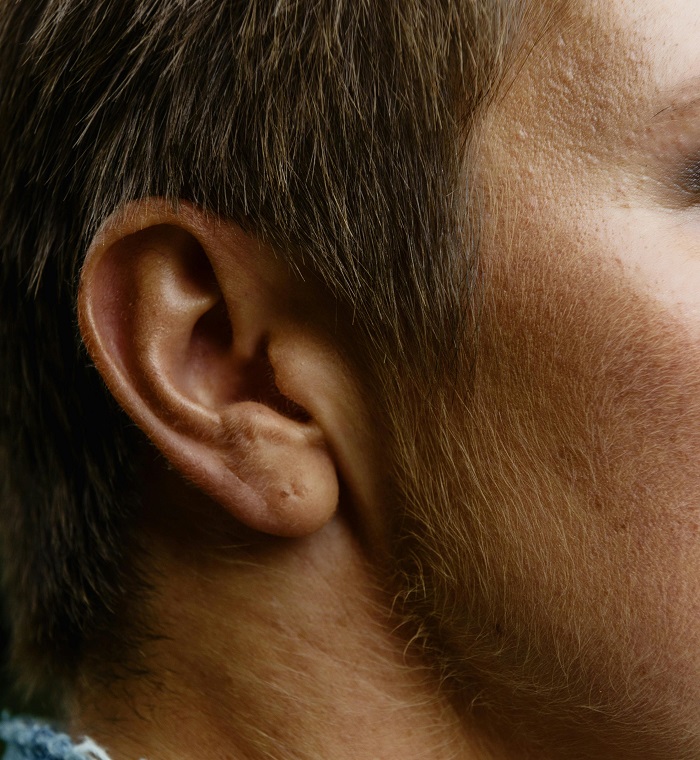
Specialist ENT ear examination
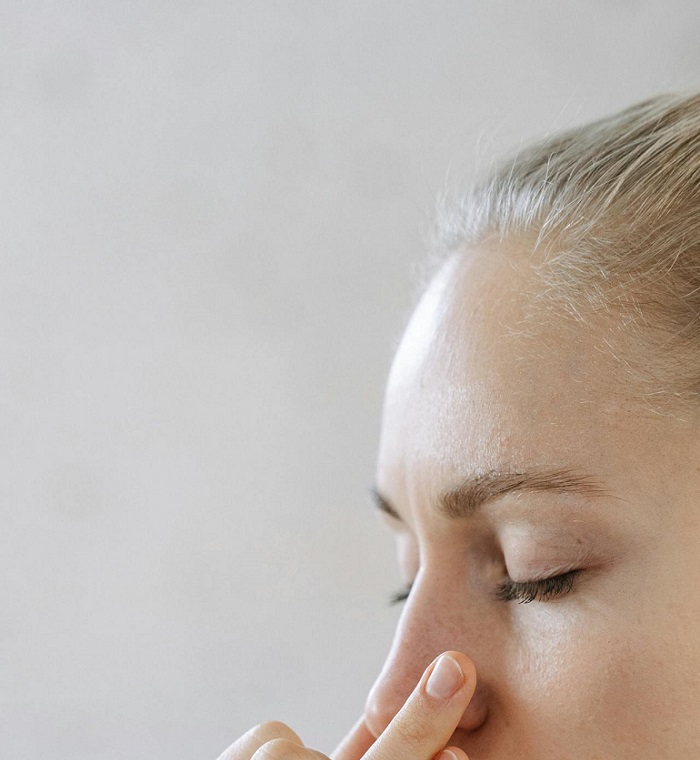
Specialist ENT nasal examination
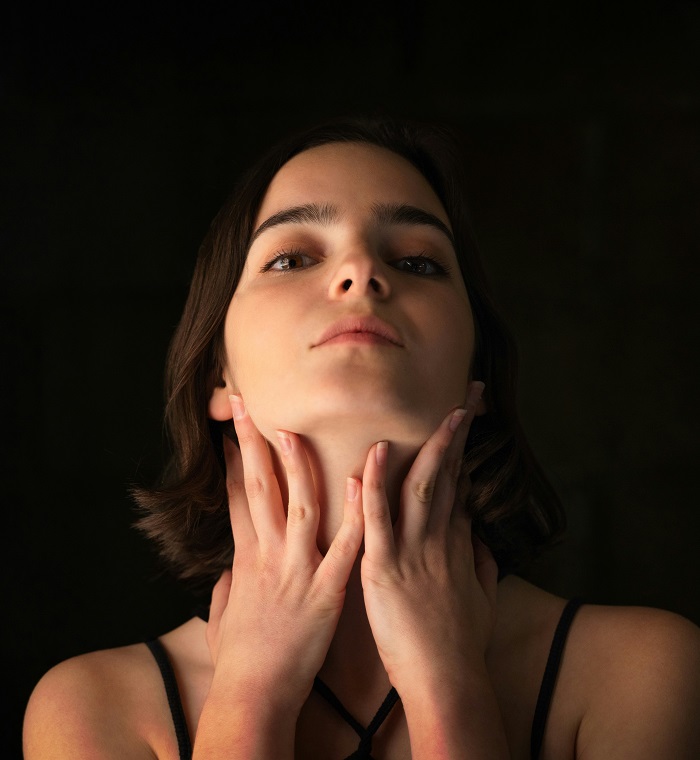
Specialist ENT throat examination