Chemical Peel
Rejuvenate your skin with a chemical peel that improves texture and restores a youthful glow.
 +381 64 4184 444
Chemical peels effectively rejuvenate your skin, giving you a fresh, radiant appearance. This treatment removes the outermost layer of skin, stimulates regeneration, and improves skin tone and texture. At Dr Prlja Medical, we use carefully selected products and advanced techniques to ensure safe, long-lasting results tailored to your needs. Discover the benefits of chemical peels and restore your skin’s natural glow – book your appointment today!
What is a chemical peel?
A chemical peel is a facial treatment that effectively rejuvenates your skin by removing its outermost layer, revealing fresher, smoother skin underneath. Using carefully selected chemical solutions, this procedure deeply cleans facial pores, reduces blackheads, and targets acne-causing bacteria for clearer, healthier skin.
Even in Cleopatra’s time, natural exfoliation was popular – historical records describe her bathing in milk rich in lactic acid, one of the earliest known forms of chemical peeling. Today, thanks to advancements in science, chemical peels have become safer and more precise, delivering results that improve skin texture, tone, and youthful appearance.
Why are chemical peels an effective solution for many skin concerns?
Concerns such as uneven skin tone, hyperpigmentation, blackheads, enlarged pores, acne scars, and fine lines often affect skin quality and appearance. Surface cleansing and topical creams aren’t always effective, as they only target the outermost skin layer. Chemical peels address these issues by penetrating deeper layers, providing longer-lasting, visible improvements.
Chemical peels effectively target these concerns by removing dead skin cells and stimulating skin regeneration. This treatment deeply cleanses pores, improves skin texture, and boosts collagen production, providing long-lasting results and significantly enhancing your skin’s appearance and quality.
How is a chemical peel performed?
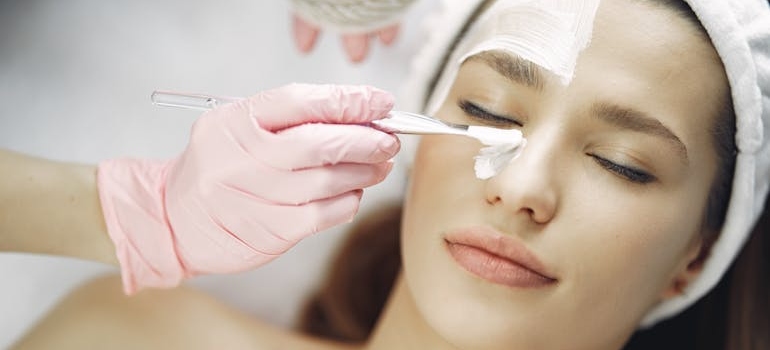
A chemical peel begins with cleansing your skin to remove impurities and prepare it for the procedure. A carefully selected chemical solution is then applied to the clean skin, where it remains for several minutes to remove the outermost layer and stimulate regeneration. Afterward, the solution is gently removed, and a soothing cream is applied to calm and hydrate the skin.
After this aesthetic treatment, mild skin peeling may occur, which is a normal part of the renewal process. For optimal results, regularly apply sunscreen, keep the skin moisturized, and avoid direct sun exposure.
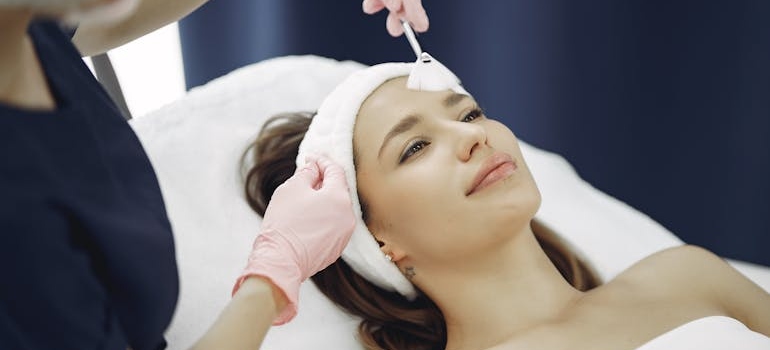
What to expect after a chemical peel
Chemical peels deliver visible, long-lasting results that significantly improve skin quality.
- Smooth, radiant skin
- Reduced appearance of wrinkles and fine lines
- Diminished hyperpigmentation and dark spots
- Improved skin texture and even complexion
- Minimized scars and improved oily skin control
- Enhanced absorption of skincare products
What are the different types of chemical peels?
Chemical peels are categorized into superficial, medium, and deep peels, depending on their depth and intensity.
- Superficial peel removes the outermost skin layer, refreshing the complexion and addressing minor concerns like fine lines, uneven skin tone, and mild imperfections. Recovery is quick, with minimal peeling.
- Medium peel penetrates deeper to treat moderate wrinkles, acne scars, and pigmentation concerns. It provides significant results with visible peeling and a slightly longer recovery period.
- Deep peel treats deep wrinkles, pronounced scars, and significant skin damage. Results are dramatic and long-lasting, but this peel requires expert application and involves a longer recovery time.
The strength of a chemical peel also depends on the acid concentration and the product’s pH level. Therefore, products with the same ingredients may vary significantly in strength depending on the brand.
Which acids are used in chemical peels?
At Dr Prlja Medical, we use carefully selected types of acids to ensure optimal results for different skin types and aesthetic goals:
- Glycolic acid: Effectively removes dead skin cells, refreshes the complexion, and stimulates collagen production. Excellent for reducing wrinkles, hyperpigmentation, and blackheads.
- Lactic acid: Suitable for sensitive skin, gently exfoliating and hydrating while improving overall tone. Ideal for reducing fine lines and restoring brightness.
- Salicylic acid: Deeply cleanses pores, reduces excess sebum, and provides calming anti-inflammatory benefits – perfect for oily or acne-prone skin.
- Mandelic acid: Gentle yet effective, ideal for sensitive skin prone to rosacea. Reduces irritation, minimizes acne, and restores skin clarity.
- Glycolic acid: Ideal for improving skin texture and tone, reducing hyperpigmentation, wrinkles, and blackheads, and promoting collagen production.
- Lactic acid: Excellent for sensitive skin, gently exfoliates while improving hydration, texture, and pigmentation concerns.
- Trichloroacetic acid (TCA): Used for medium-depth peels, effectively treating deeper wrinkles, scars, hyperpigmentation, and providing significant rejuvenation results.
Our experts will carefully select the ideal acid based on your skin type and individual needs, ensuring personalized care and long-lasting results.
When is the best time for a chemical peel?
The best time for a chemical peel is during the winter months when sun exposure is reduced. Chemical peels increase skin sensitivity to UV rays, so avoiding intense sunlight is recommended. In winter, it’s easier to consistently use high-SPF sunscreen and provide optimal conditions for skin regeneration, ensuring safer recovery and longer-lasting results.
Refresh your skin with expert chemical peels at Dr Prlja Medical
Reveal fresh, radiant skin with advanced chemical peels at Dr Prlja Medical in Belgrade. Whether you’re looking to reduce wrinkles, even out skin tone, or enhance your complexion, our treatments deliver noticeable results. Our expert team uses the latest techniques, ensuring your skin achieves a youthful, healthy glow. Don’t wait to look your best – schedule your appointment today! Contact us by phone or visit our clinic, and together we’ll create a skincare plan that highlights your natural beauty.
Achieve flawless results with personalized treatments that highlight your natural beauty.
Frequently Asked Questions
How much does a facial chemical peel cost?
The cost of a facial chemical peel depends on the type of peel, treatment depth, and your skin’s specific needs. During your initial visit, our specialists will provide detailed pricing information and recommend the best treatment for your skin type and goals.
What do patients say about chemical peels?
Patients frequently express satisfaction with chemical peel results, noticing significant improvements in skin texture, tone, and radiance. Mild redness and peeling sometimes occur after the treatment but quickly subside, leaving the skin smooth, refreshed, and glowing.
How long is recovery after a chemical peel?
Recovery time depends on the type of peel. Superficial peels usually take 2–5 days, while deeper peels can require up to two weeks for complete recovery.
Is a chemical peel painful?
Chemical peels are generally not painful, although some patients may experience mild stinging or a warm sensation during the treatment. These sensations usually fade quickly after the procedure.
How many treatments are needed for visible results?
For mild skin concerns, 1 - 2 treatments are usually sufficient. For more significant issues, a series of treatments may be recommended, spaced at intervals determined by your specialist.
How do you choose the right chemical peel?
Choosing the right chemical peel depends on your skin condition and specific concerns. Superficial peels are suitable for mild issues, while deeper peels address concerns such as hyperpigmentation and scars. Our expert team will assess your needs and recommend the most appropriate peel for you.
Are chemical peels suitable for dry skin?
Yes, chemical peels can be highly beneficial for dry skin. Lactic acid gently removes dead skin cells while deeply hydrating your skin, resulting in improved softness and elasticity.
Are chemical peels suitable for all skin types?
Gentle chemical peels are suitable for all skin types, while deeper treatments require personalized care and preparation. Our specialists will assess your skin type and recommend the safest and most effective option for you.
What are the possible side effects of a chemical peel?
Mild redness and peeling are the most common side effects, but these typically resolve quickly after the procedure. To minimize risks and ensure the best results, it's important to follow your specialist's aftercare advice, including regular use of sunscreen.
What are the aftercare recommendations?
After a chemical peel, you should use sunscreen regularly, avoid direct sun exposure, and refrain from applying harsh skincare products. Following these guidelines will help you achieve optimal results and ensure a smooth recovery.
What's the difference between chemical and mechanical peels?
Chemical peels remove the outer layer of dead skin cells using chemical solutions, effectively targeting wrinkles, hyperpigmentation, and uneven skin tone. Mechanical peels, on the other hand, physically exfoliate the skin with abrasive ingredients or devices, making them ideal for gentle skin refreshment and mild exfoliation.
Experiences of those who chose us
My experience with Sara was actually my first treatment ever. I had always been skeptical until I met her through a mutual friend. All it took was seeing her flawless skin to completely trust her. Not only does she maintain a natural look, which I really appreciate, with minimal corrections, but she’s also a wonderful friend and, when needed, a great therapist. I always leave her office feeling satisfied and smiling. P.S. She’s the only one who managed to solve my under-eye bags!
-Ksenija Knezevic
Singer
I met Sara a few years ago, and after the first treatment, I was certain – this woman knows what she's doing! I trust her completely, and I love her approach, honesty, and directness. There’s no exaggeration or unnatural looks – just a refreshed, rested, and natural appearance. We always have so much fun, laughing, while also enhancing our beauty. After seeing Sara, I look like I’ve just returned from the best vacation!
-Matea Milosavljevic
Actress
I have known Sara Prlja for more than 15 years, and I can say that everything she envisioned, she has achieved. She has always worked on herself, invested in her knowledge and growth. Her clinic is the perfect place where you will feel comfortable and relaxed, and the service is top-notch. I highly recommend her and her work!

-Aleksandar Dramicanin
Hair & Makeup Artist
Love, trust, and respect are the foundation of every strong and lasting relationship, whether personal or professional. From a medical perspective, we know how essential support is in any healing process, but for me, the relationship between a doctor and a patient is one where trust is especially important. I have complete trust in Sara and always feel confident that everything will be okay. That trust creates a sense of safety and allows real progress, while care and connection give us the space to grow together. I have never viewed my relationship with Sara as just professional, because every time I visit the clinic, it feels more like coming to people I trust and feel close to rather than simply working with a provider. That is the X factor that makes this experience truly valuable to me.

-Nataša Kovačević Njezvanova
Influencer
My experience with Sara has been exceptional in every way. Above all, she is a genuinely kind person and an outstanding professional. Together with her wonderful team, she creates an atmosphere free of fear, where trust comes naturally. I am delighted with the results and feel beautiful, confident, and happy. I wholeheartedly recommend her.

-Mahrina
Singer
I don’t easily trust anyone with my skin care, but the moment I stepped into Dr Prlja Medical, I felt safe and confident in my choice. I wouldn’t replace Sara for anyone else. She combines expertise, warmth, and a genuine love for her profession. Every treatment leaves me feeling refreshed and renewed, both physically and emotionally. Trust me when I say that you are in the right place.

-Anja Ćurčić
Actress