
Assessment of nasal septum deviation
 +381 64 4184 444
Nasal septum deviation is a condition where the nasal septum is not aligned, which can make breathing difficult. This condition may lead to several issues, including frequent sinus infections and trouble breathing. There are different types of deviations, each affecting nasal health in specific ways. Recognizing symptoms early and getting an accurate diagnosis can greatly improve quality of life. At our clinic, Dr Prlja Medical in Belgrade, specialists use advanced techniques for precise assessment of nasal deviation. If you have breathing difficulties or suffer from frequent infections, don’t delay your exam. Book an appointment today to find out how we can help improve your health.

What causes a deviated septum?
A deviated septum can result from several causes. Understanding them may help you identify risk factors and take steps to protect your health.
- Nasal injuries are one of the most common causes of a deviated septum. These injuries can result from accidents, sports-related impacts, falls, or car crashes. Trauma affecting the septum may shift or break it, leading to permanent deviation. In many cases, the effects of the injury are not immediately visible, but over time they can cause breathing difficulties and other complications.
- Genetic factors also play a key role in the development of nasal deviation. Some people are born with a misaligned septum, which can cause breathing problems and increase the risk of sinus infections. This predisposition may be inherited and appear early in life, but symptoms often do not show until adulthood.
- Age-related changes in the body, including the nasal cavity, can also affect nasal deviation. As we age, the tissues and cartilage in the nose may weaken and change shape. These changes can shift the nasal septum, leading to deviation. This process is often gradual and may go unnoticed until breathing problems or frequent nasal congestion begin to appear.
- Anatomical changes that occur over time, including growth and structural changes in the nose, can contribute to the development of a deviation. For example, if there is an imbalance in the growth of the left and right sides of the nose during development, it can cause the septum to shift. Sometimes, even minor structural changes in the nose throughout life can lead to breathing problems or other symptoms, such as frequent sinus infections.
Why is it important to diagnose nasal deviation?
Assessing nasal deviation plays a key role in maintaining the health of the nose and airways. A timely ENT exam can prevent many health issues, such as frequent sinus infections, excessive nasal dryness, and even chronic headaches.
Undiagnosed nasal deviation can make breathing more difficult, leading to a higher risk of infections and poor sleep quality. Proper assessment helps relieve discomfort and allows you to return to a normal, healthy lifestyle.
When is it time for a professional nasal exam?
If you notice any of the following symptoms, it may be time to consider a professional nasal evaluation:
- Constant nasal congestion lasting more than a few days
- Frequent sinus inflammations that return even after treatment
- Breathing issues during sleep, such as snoring or apnea
- Persistent nasal pain or headaches that don’t go away easily
If symptoms become serious and begin to affect your daily life, it’s time to see a specialist. If they last for several months or get worse, this could indicate a more serious issue that requires medical attention. Our team at Dr Prlja Medical clinic offers a detailed and accurate ENT nasal exam to help you get the right treatment quickly.
What conditions can be diagnosed through nasal deviation assessment?
A nasal deviation assessment can reveal several other airway-related issues that may affect your daily life:
- Sinus problems, including frequent infections or congestion, often caused by septum misalignment
- Chronic infections triggered by poor airflow and bacterial buildup in the nasal passages
- Excessive nasal dryness, which may cause irritation, nosebleeds, and greater sensitivity to allergens

A deviated septum can lead to serious complications, such as:
- Sleep apnea, which occurs when the deviation blocks the airways and disrupts normal breathing during sleep.
- Difficulty breathing through the nose, which may cause sleep issues, fatigue, and reduced physical performance.
- Nasal injuries that cause permanent deviation, further worsening breathing problems.
What does a nasal septum deviation exam look like?
The exam begins with a detailed diagnostic process involving several key steps:
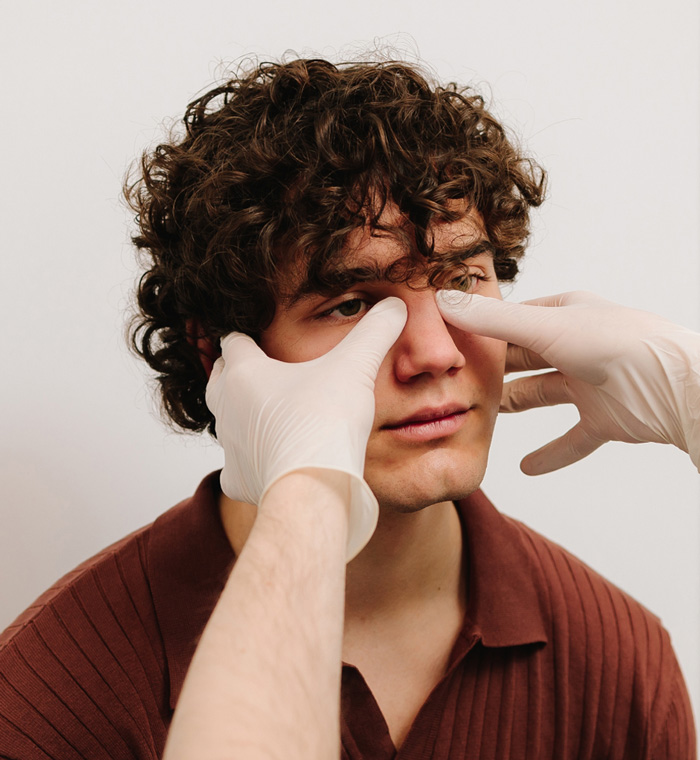
- First, an ENT specialist performs a rhinoscopy — a basic exam using a special tool to inspect the nasal cavity.
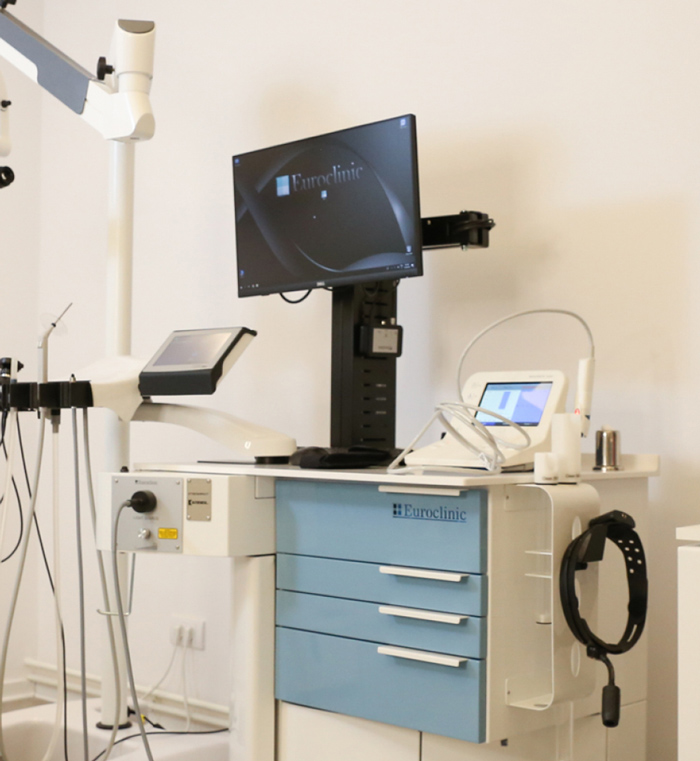
- In some cases, to improve diagnostic accuracy, a sinus ultrasound is used. This allows a clear view of the internal structures of the nose and sinuses.
- For even greater precision, an endoscopic examination may be performed. This helps visualize the septum deviation and detect any related issues.
How to prepare for the exam?
Preparation is simple. Before your visit, rinse your nose with saline solution. This improves visibility and comfort during the exam. At Dr Prlja Medical, a team of qualified specialists conducts the procedure in a comfortable setting with full attention to your needs.
You can expect clear information about the condition of your nose and recommended next steps, depending on your results.
Next steps after a deviated septum is diagnosed
If a deviated septum is diagnosed, treatment options may be surgical or conservative. In early stages, the doctor may recommend nasal sprays or medications to relieve symptoms such as congestion and infections:
- Nasal sprays and decongestants: Saline solutions help clean the nose, while corticosteroids reduce inflammation and improve airflow.
- Oral medications: Antihistamines and decongestants help reduce swelling and make breathing easier.
- Hormonal therapies: Nasal steroids can help manage symptoms related to hormonal changes.
- Physiotherapy and breathing exercises: Breathing techniques improve lung capacity and help air flow better through the nose.

What if surgery is needed?
When conservative treatments are not effective, nasal surgery—known as septoplasty—may be necessary. This surgical procedure corrects the septum by returning it to its natural position, improving airflow through the nose.
Septoplasty is most commonly recommended for patients with:
- Chronic nasal congestion
- Frequent sinus infections
- Long-term breathing problems that don’t respond to non-surgical treatment
This procedure significantly improves breathing quality, reduces the frequency of infections, and enhances sleep. Septoplasty is performed under general anesthesia, so the patient feels no pain during the procedure.
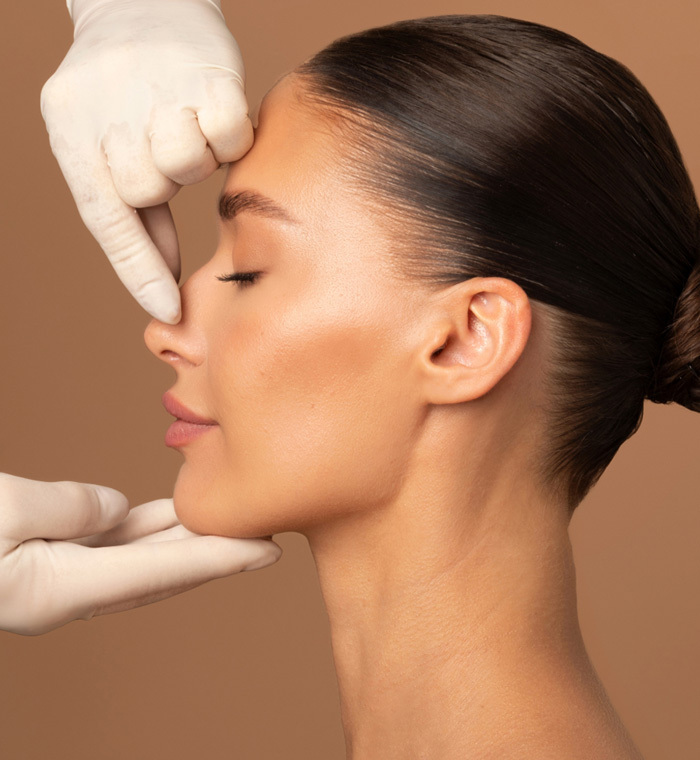
In addition to septoplasty, there is also rhinoplasty—a nose surgery performed for cosmetic correction. Rhinoplasty plays an important role when the shape of the nose affects self-confidence or causes discomfort in daily life. While the purposes differ, both procedures greatly improve a patient’s quality of life—whether by making breathing easier or enhancing self-image.
What does recovery look like?
The recovery period usually lasts a few days. Patients may experience mild discomfort, which is easily managed with pain medication. After surgery, it’s important to avoid physical exertion and allow enough time to rest. Most patients return to daily activities within a few days. Regular check-ups during recovery are essential to ensure healing and detect any early complications.
Book your appointment today!
If you’re dealing with a deviated septum, don’t wait until breathing problems disrupt your daily life. At Dr Prlja Medical in Belgrade, patient safety and comfort come first. You can relax knowing you’re in expert hands. Appointments are available right away, and our team is ready to welcome you as soon as possible. Schedule your consultation today and enjoy easier, healthier breathing.
Achieve flawless results with personalized treatments that highlight your natural beauty.
Frequently asked questions and answers
How do I know if my nasal problem is just an allergy or a deviated septum?
Allergies usually cause sneezing, itching, watery eyes, and symptoms that change with seasons or environment. A deviated septum often leads to constant nasal blockage, usually worse on one side, and does not improve with allergy medication. An ENT specialist can examine your nose and recommend the right tests to find out what’s causing your symptoms.
Can a deviated septum affect the sense of smell?
Yes, a deviated septum can block airflow through the nose, which may reduce your ability to smell. It can also increase the risk of infections.
Can I return to work right after nose surgery?
Most patients can resume daily activities a few days after surgery, but it’s important to avoid physical strain and exercise during the initial recovery period.
What are the risks of septoplasty surgery?
As with any surgical procedure, there are small risks such as infection, bleeding, or scarring. However, septoplasty is a safe procedure performed under the careful supervision of medical professionals.
How is a deviated septum diagnosed in children?
A deviated septum in children is usually diagnosed through a detailed nasal exam and breathing tests, since symptoms can be subtle and often go unnoticed at first.
Can climate and pollution worsen deviated septum symptoms?
Yes. Dry air, dust, and pollutants can further irritate the nasal mucosa, worsen congestion, and increase the risk of infections in people who already have a deviated septum.
Experiences of those who chose us
My experience with Sara was actually my first treatment ever. I had always been skeptical until I met her through a mutual friend. All it took was seeing her flawless skin to completely trust her. Not only does she maintain a natural look, which I really appreciate, with minimal corrections, but she’s also a wonderful friend and, when needed, a great therapist. I always leave her office feeling satisfied and smiling. P.S. She’s the only one who managed to solve my under-eye bags!
-Ksenija Knezevic
Singer
I met Sara a few years ago, and after the first treatment, I was certain – this woman knows what she's doing! I trust her completely, and I love her approach, honesty, and directness. There’s no exaggeration or unnatural looks – just a refreshed, rested, and natural appearance. We always have so much fun, laughing, while also enhancing our beauty. After seeing Sara, I look like I’ve just returned from the best vacation!
-Matea Milosavljevic
Actress
I have known Sara Prlja for more than 15 years, and I can say that everything she envisioned, she has achieved. She has always worked on herself, invested in her knowledge and growth. Her clinic is the perfect place where you will feel comfortable and relaxed, and the service is top-notch. I highly recommend her and her work!
-Aleksandar Dramicanin
Hair & Makeup Artist
Love, trust, and respect are the foundation of every strong and lasting relationship, whether personal or professional. From a medical perspective, we know how essential support is in any healing process, but for me, the relationship between a doctor and a patient is one where trust is especially important. I have complete trust in Sara and always feel confident that everything will be okay. That trust creates a sense of safety and allows real progress, while care and connection give us the space to grow together. I have never viewed my relationship with Sara as just professional, because every time I visit the clinic, it feels more like coming to people I trust and feel close to rather than simply working with a provider. That is the X factor that makes this experience truly valuable to me.

-Nataša Kovačević Njezvanova
Influencer
My experience with Sara has been exceptional in every way. Above all, she is a genuinely kind person and an outstanding professional. Together with her wonderful team, she creates an atmosphere free of fear, where trust comes naturally. I am delighted with the results and feel beautiful, confident, and happy. I wholeheartedly recommend her.

-Mahrina
Singer
I don’t easily trust anyone with my skin care, but the moment I stepped into Dr Prlja Medical, I felt safe and confident in my choice. I wouldn’t replace Sara for anyone else. She combines expertise, warmth, and a genuine love for her profession. Every treatment leaves me feeling refreshed and renewed, both physically and emotionally. Trust me when I say that you are in the right place.

-Anja Ćurčić
Actress
Related Services

Allergy Testing
Endoscopic Examination
Rhinoplasty
Sinus Treatment
Sinus Ultrasound
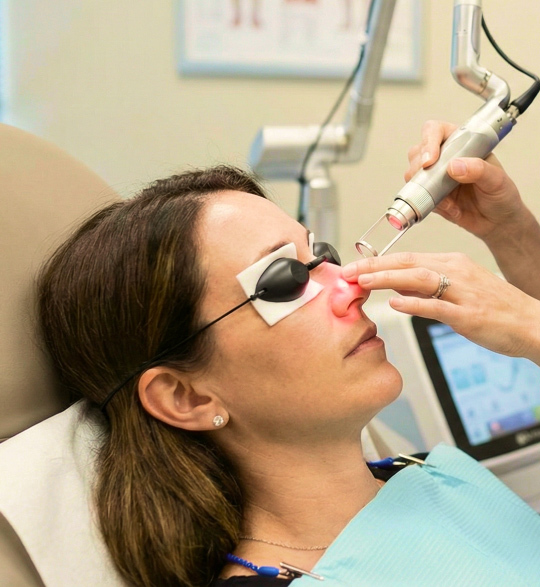
Snoring Treatment
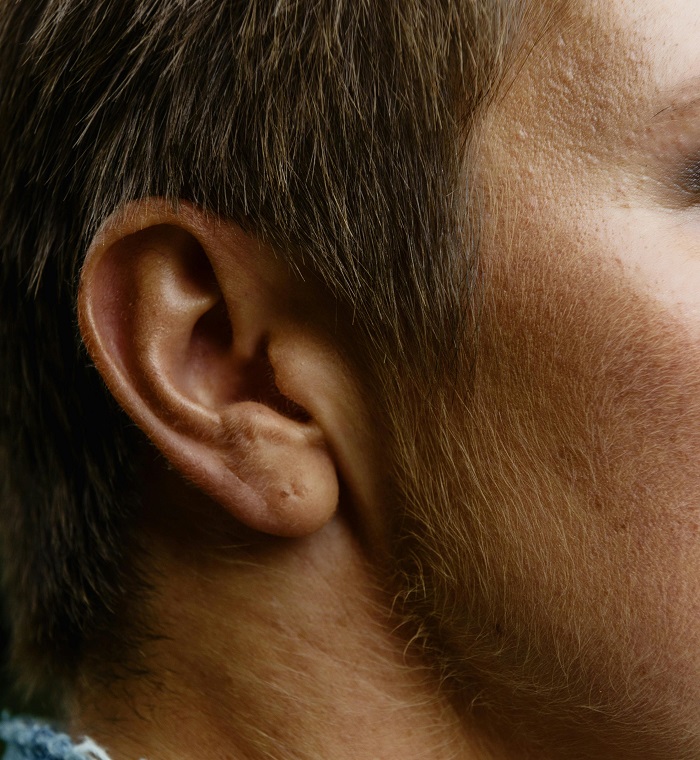
Specialist ENT ear examination
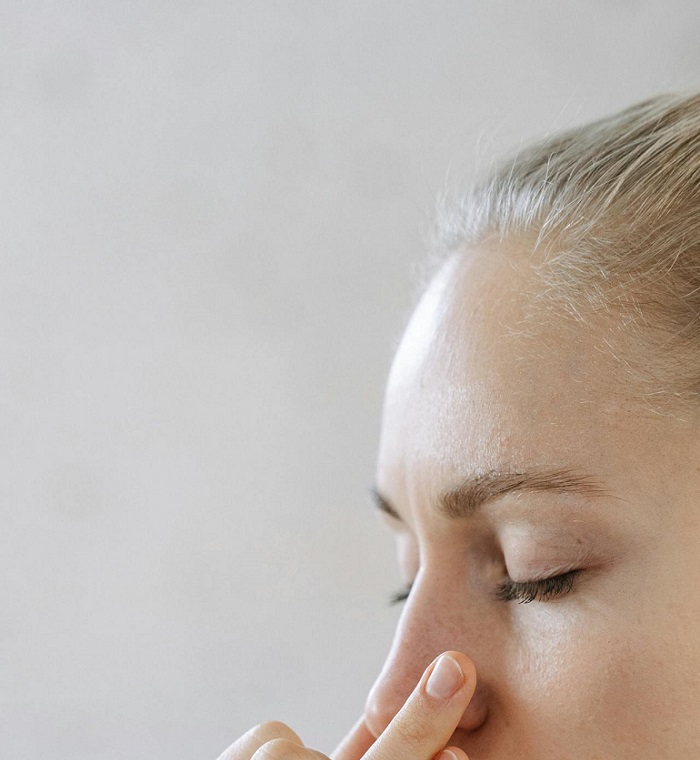
Specialist ENT nasal examination
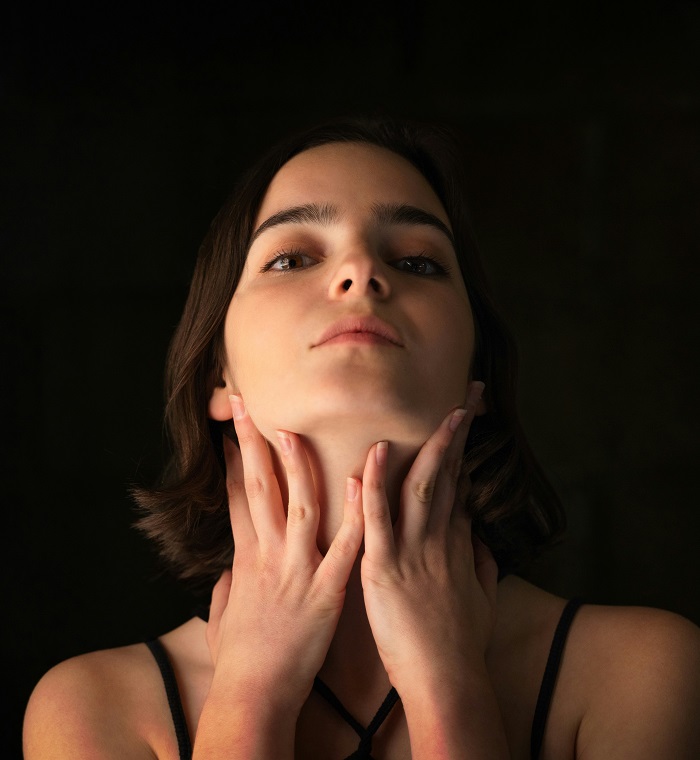
Specialist ENT throat examination