
How to choose the right face cream
 +381 64 4184 444
Beauty standards alone do not dictate how to choose the right face cream. The skin is the largest organ of the body and needs special care. Everyone has unique needs that change over time. It is important to recognize your skin type so you can find the right ingredients in creams and know how to adjust your skincare to external factors. Dr Prlja Medical, one of the most trusted aesthetic clinics in Belgrade, can help with expert advice on skin care.
What skin types are there?
The first step in choosing the right face cream is knowing your skin type. Skin is divided into dry, oily, combination, and sensitive.
- Dry skin produces less sebum, which can lead to tightness and flaking.
- Oily skin has increased activity of the sebaceous glands, causing shine and possible acne.
- Combination skin combines these traits – oily T-zone and dry cheeks.
- Sensitive skin easily reacts with redness and irritation.
Proper care for your skin type can reduce inflammation and damage. To choose the right cream for your face, identify your skin type by checking how your skin behaves several hours after cleansing.
How to be sure of your skin type?
The classification of skin types was introduced in the mid-20th century. It was discovered that skin can have different characteristics based on sebum production and hydration levels. Skin type depends on sebaceous gland activity, genetic factors, and external influences such as climate and diet.
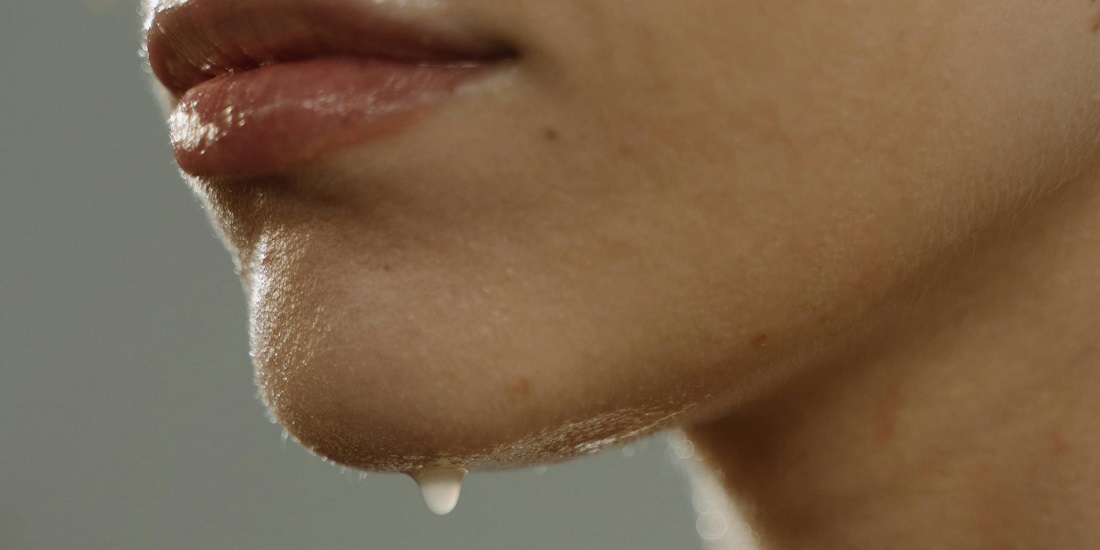
Even if you do not have major skin problems, you can easily recognize your skin type. Wash your face with a mild soap-free cleanser and gently pat it dry. After two to three hours, observe your skin in the mirror:
- If you feel tightness or notice flaking, you most likely have dry skin.
- If your skin is shiny, especially in the T-zone (forehead, nose, chin), you have oily or combination skin.
- If there is no visible shine but the skin does not feel tight, you most likely have normal or combination skin.
- Sensitive skin shows redness or mild irritation.
Some people with sensitive skin can experience slight redness, stinging, or discomfort, even mild contact with certain soaps, warm water, or mechanical rubbing.
Ingredients to pay attention to
Ingredients are the core of a good cream. For dry skin, choose ingredients like hyaluronic acid and glycerin. They attract and retain moisture. Oily skin responds better to ingredients like salicylic acid, which acts as a mild exfoliant and reduces sebum production. For more severe skin changes, such as long-lasting inflammation or thickening, chemical peels can help renew the skin’s surface layer, and proper care afterward supports maintaining a healthy appearance.
Niacinamide helps reduce redness and strengthens the skin’s protective barrier. Antioxidants, such as vitamins C and E, protect the skin from free radicals and promote regeneration. Avoid creams with parabens, strong fragrances, and silicones, as they can irritate or clog pores. Properly reading cream ingredients helps choose products that nourish and protect your skin.
How to choose the right face cream according to the season and skin needs
Skin changes throughout the year, so your care should follow these changes:
- In spring, when the skin is exposed to higher humidity and temperature changes, light but nourishing creams with niacinamide are recommended. Niacinamide strengthens the skin’s protective barrier and reduces irritation. Spring creams often contain anti-inflammatory ingredients like aloe vera.
- In summer, the skin is more exposed to UV radiation, so lighter creams with SPF protection are a better choice. Using heavy creams too much in summer can clog pores and cause irritation. Proper skin preparation before going on vacation is also necessary.
- In autumn, the skin often shows the first signs of dryness after summer. Hydrating creams with ingredients like hyaluronic acid and glycerin are recommended as they provide deep hydration. Mild antioxidants such as vitamin C help repair sun damage. Takođe, blagi antioksidansi poput vitamina C pomažu u obnavljanju oštećenja od sunca.
- In winter, due to cold and dry air, the skin loses moisture and needs richer, nourishing creams. Those with lipids and ceramides help restore the skin’s protective layer.
Adapting skincare to the season improves skin condition and prevents damage. Besides seasons, lifestyle, diet, and environment can also change the skin’s needs. Therefore, it is important to monitor your skin regularly.
Difference between day and night creams
Day creams mainly protect and hydrate the skin. They often contain antioxidants and UV filters that prevent sun damage. Night creams, on the other hand, nourish and restore the skin while you sleep. They contain active ingredients like retinol, peptides, and ceramides that stimulate collagen production and repair damage.

The skin absorbs nourishing ingredients better at night because sebum production slows down and there is no exposure to external factors. Choosing the right day and night creams helps the skin stay healthy and elastic. Special creams for fighting aging or acne should be selected according to specific needs.
Testing and proper use of cream
Testing a new cream helps avoid unwanted reactions. Apply a small amount of cream to your wrist or behind your ear and observe the reaction for 24 hours. If there is no redness, stinging, or itching, the cream is suitable. For maximum effect, apply the cream to clean skin in the morning and evening. Use gentle circular motions to help absorption, avoid rubbing.
Apply the cream before the skin is completely dry, as it absorbs moisture better then. If irritation occurs, stop using the cream and consult a specialist. Regular and proper use of cream significantly impacts skin health.
Where to buy and how to check the quality of cream
Quality creams should be purchased at pharmacies or trusted stores. Online shopping can be safe if you check the seller’s reputation and the product’s authenticity. Products with clearly labeled ingredients, expiration date, and a protective seal indicate quality.
Poor or fake products can cause allergies and skin damage. It is recommended to buy from manufacturers who follow standards and test their products. It is also good to read the reviews and experiences of other users. This way, you can be sure you chose the right cream for your face.
Common mistakes when choosing a face cream
The most common mistake is choosing a cream based on advertising messages rather than skin needs.
- People often do not read the ingredients or ignore dermatologist advice.
- Using multiple products at once can cause unwanted skin reactions. It is important to know how to combine products without causing irritation.
- Not adjusting the cream according to the season or specific needs is a big mistake.
- Some people use the same products even after changes in their skin, which reduces the effectiveness of care.
Properly chosen cream with the right skincare routine significantly improves skin condition and reduces imperfections. Careful selection and commitment are the keys to success.
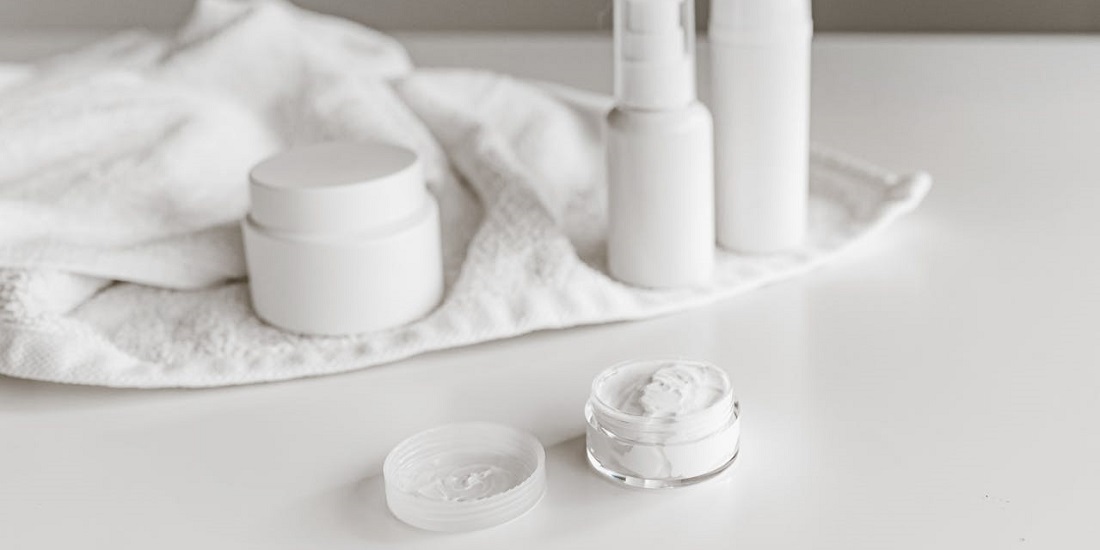
Proper care and careful selection of creams are the key to healthy skin
Choosing the right cream for your face means listening to your skin’s signals and selecting products with care. Your skin is unique and changes throughout life. That is why it is important to see skincare as a long-term partnership, not just a routine. The right face cream can help you maintain your skin’s natural balance and health. By investing time in understanding your skin, you open the door to better results and confidence. Watch changes carefully and adjust your care without fear of experimenting. This way, you build a relationship with your skin that lasts and brings lasting benefits.