
Why do milia form and how to remove them safely?
 +381 64 4184 444
Small white spots that often appear on the face, especially around the eyes and cheeks are called Milia. They form when keratin, a natural skin protein, gets trapped beneath the surface and creates a bump. The question why do milia form often concerns those who care for their skin, as they can appear even in people who maintain regular facial care. Milia can occur in newborns as well as adults, regardless of skin type. Although harmless, it’s important to understand what causes them and how to treat them properly.
What are milia and what do they look like
Milia are small, firm white bumps that appear under the skin. They do not hurt, itch, or cause redness, but they often bother people because they are located in visible areas. They most commonly appear on the face:
- around the eyes
- on the cheeks
- forehead
- nose
- chin
- eyelids
Unlike blackheads, they are not related to inflammation and cannot be squeezed out without damaging the skin. Milia in newborns usually go away on their own, while in adults they may last much longer. Their appearance is not linked to dirty skin or poor hygiene.m.
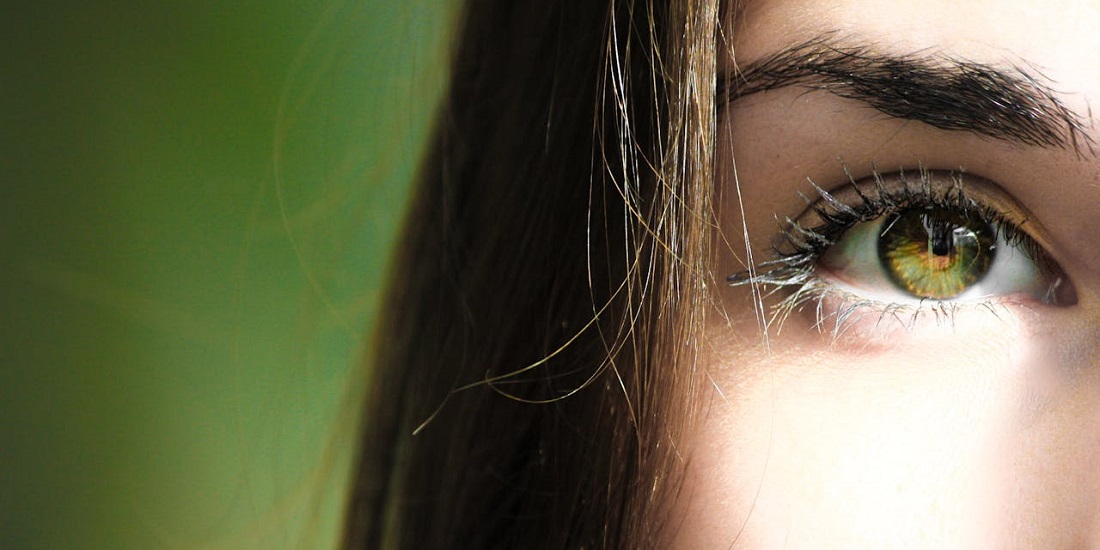
In some people, milia may disappear on their own after a few weeks, while in others they can last for months. The duration depends on:
- skin type
- skincare habits
- daily routines
Why do milia form and what causes them?
Milia form when keratin, a natural protein in the skin, becomes trapped beneath the surface and creates small cysts. This happens when dead cells do not shed properly and get stuck in the pores. Such a condition often appears after skin damage, such as sunburns or certain cosmetic treatments. Using thick and heavy creams, especially oil-based ones, can make the situation worse by blocking the skin’s breathing and encouraging keratin buildup.
In some cases, milia are linked to hormonal changes, especially during puberty or menopause. Hereditary factors may also play a role, particularly when there is a tendency toward thicker skin with slower renewal. In many cases, milia appear without a clear reason, but they may arise if you are unsure how to combine cosmetic products without causing irritation. External influences and natural skin processes may also contribute. Gentle treatments and consistent care can help reduce their appearance.
Different types of milia and how to identify them
Postoji nekoliko različitih vrsta milija, a svaka od njih ima svoje karakteristike i uzroke.
- Primary milia are the most common. They form without previous skin damage. These usually appear in newborns during the first days of life, but they can also occur in adults. They look like tiny white dots on the cheeks, eyelids, or nose. They are painless and usually go away on their own.
- Secondary milia develop after skin damage, such as burns, blisters, or common mistakes in daily skincare. In these cases, the skin does not heal properly, and keratin becomes trapped under the surface. They usually appear where an injury has previously occurred.
- A less common but very specific type is milia en plaque. In this case, white bumps group together on a reddish, slightly thickened area of skin—typically around the eyes, on the cheeks, or behind the ears. They mainly occur in adults and tend to last longer than ordinary milia.
- There are also eruptive milia, which appear suddenly, in large numbers, and in various areas of the body—such as the face, arms, and neck. These are identified by the fact that they develop in waves and usually have no external cause.
Identifying the type of milia can help in choosing the right care or treatment. If you’re not sure what kind you have, it’s best to visit professionals at one of the aesthetic clinics in Belgrade, where they can easily determine the type and suggest a proper approach.
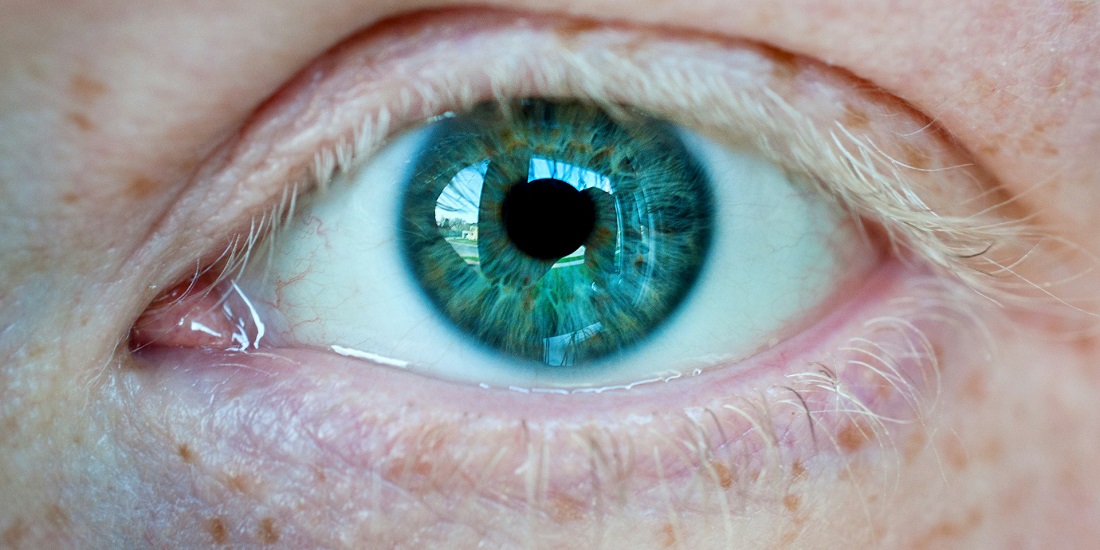
Should milia be removed and when is it recommended
Milia often go away on their own. In many cases, the body gradually renews the skin, and keratin breaks down naturally. If milia are not bothersome, removal is not always necessary.
However, if they are persistent, clearly visible, or cause discomfort, a professional assessment is advised. If they are numerous, cover a large area, or keep returning, expert removal reduces the risk of scarring and infection.
Safe methods for removing milia at home
When milia become visible, the first step is to establish proper facial care. Start with gentle cleansing every morning and evening. Use a foam or gel cleanser that is oil-free and non-comedogenic. Follow up with an alcohol-free toner. This routine helps the skin stay clear of dead cells.
Mild chemical peels with AHA or BHA acids can also help. Use low-strength products once or twice a week. These promote the removal of trapped keratin and help prevent new milia from forming. If considering retinoids, proceed with care. Retinoids speed up cell renewal but may cause irritation if misused. Do not try to squeeze them or use needles or unhygienic tools.
Professional methods for milia removal
If milia persist for more than a few months and do not respond to home treatments, it’s best to consider professional facial treatments in Belgrade. These methods offer precision and minimal risk. Here’s what specialists may recommend:
- Mechanical removal with a needle or lancet: A dermatologist uses a sterile tool to gently extract milia without harming the surrounding tissue. The procedure is quick and precise.
- In-office chemical peels: As part of a specialized treatment, stronger peels are applied. They target the outer skin layers and help remove trapped keratin.
- Microdermabrasion: A gentle exfoliation technique that removes the skin’s surface layer. It supports regeneration and lowers the chance of milia reappearing.
- CO2 laser treatments: Lasers target and heat milia precisely. The outcome is accurate and long-lasting, with minimal swelling and short recovery time.
If you notice that white spots are spreading, increasing in size, turning red, or changing shape, expert advice is essential. Changes in appearance may indicate a different diagnosis.
Preventive skincare can help stop milia from coming back
Preventive care helps keep milia from returning. The first step is to choose the right face cream. Start with light creams that do not clog pores — look for products labeled non-comedogenic. These hydrate the skin without blocking its natural breathing. Regular but moderate exfoliation is also helpful. A gentle chemical peel once or twice a week removes dead skin cells and prevents keratin buildup. Avoid over-exfoliating — doing it too often may cause irritation.
Daily use of SPF is essential, along with proper application and avoiding common mistakes when using SPF. Sun exposure damages skin cells, weakens renewal, and may contribute to milia formation. Avoid oily products with heavy ingredients like mineral oil or lanolin, as they can clog pores.
Learn proper makeup removal techniques. Use a gentle cleanser to wash off foundation and other products. Wash your hands before touching your face to prevent bacteria transfer. This simple routine helps keep your skin clean and reduces the chance of milia returning.
Daily care is the best protection against milia
Milia are not harmful to your health, but they can be bothersome due to how they look. They usually appear on the face and around the eyes, so it’s natural to want smooth, clean skin. Understanding why milia form is the first step in addressing them. Regular skincare often helps, especially when using non-comedogenic products and avoiding heavy creams. When needed, professional removal offers safety and precision without damaging the skin. Prevention starts with small but consistent habits — proper cleansing, sun protection, and careful product choices. With attention and patience, the risk of new milia forming is greatly reduced.