
How to properly combine cosmetic products without causing irritation
 +381 64 4184 444
You can easily combine cosmetic products without causing irritation when you know how. Still, many make mistakes from the very beginning. If you’ve noticed redness, tightness, or stinging after using several products, you’re not alone. These reactions often occur when ingredients don’t work well together or when they’re applied in the wrong order. Your skin has its own rhythm and limits. When we exceed them, signs of irritation appear. A proper routine, along with a careful choice of products, can help avoid unwanted skin reactions. You don’t need to use many products to see results. What matters is knowing how to combine them correctly.
Why irritation occurs when mixing products
The skin has its natural balance and can only handle a limited amount of active ingredients at once. When too many products are used at the same time, especially those with strong actives like retinol, acids, or vitamin C, it becomes overloaded. At that point, the skin’s protective barrier weakens. This means the skin loses moisture, becomes dry, and is prone to redness and stinging.
Mixing ingredients that cancel each other out or irritate the skin makes things worse. For example, combining retinol with AHA acids can cause excessive exfoliation, leading to sensitivity and peeling. Mixing vitamin C with niacinamide may reduce the effectiveness of both ingredients while also causing a warming sensation and discomfort.

How pH changes affect skin health
A change in skin pH is another cause of irritation. The skin naturally has a slightly acidic pH, around 4.5 to 5.5. When multiple products with different pH levels are used, this balance gets disrupted. That can lead to loss of natural oils, breakouts, and redness. Various facial treatments in Belgrade can help if you notice these skin changes. It’s important to act on time because improper product use can damage the skin barrier and increase sensitivity to environmental factors.
How to tell your product combination isn’t working
When a product combination doesn’t suit your skin, the body sends clear signals. These reactions often start mildly but can worsen if the same products are used together. It’s essential to observe your skin from the first days of a new routine. Common signs that products don’t work well together include:
- Redness that doesn’t fade quickly
- Burning sensation after application
- Dry, tight, or flaky skin
- Small pimples or spreading rash
- Increased sun sensitivity
- Frequent flaking, especially around the nose and forehead
- Itching and discomfort after your daily routine
If any of these symptoms appear, simplify your routine immediately. Stop using strong active ingredients and switch to gentler formulations after consulting experts at an aesthetic clinic in Belgrade, until your skin calms down.
In what order can you combine cosmetic products without causing irritation?
Correct product layering significantly affects how your skin responds. When applied in the wrong order, products lose effectiveness and increase the risk of irritation. A simple rule is to apply from the lightest to the thickest texture. This way, each layer can absorb properly.
Steps for proper skincare layering:
- Step 1: Cleansing – Use a gentle gel or foam cleanser morning and evening. In the evening, double cleansing is recommended if you use SPF or makeup.
- Step 2: Toner – Apply toner after cleansing to hydrate and prep the skin for the next steps.
- Step 3: Serums – Active ingredients like vitamin C, hyaluronic acid, or niacinamide should go on right after toner. If using multiple serums, start with the most watery.
- Step 4: Creams – Moisturizing or nourishing creams lock in moisture and enhance previous steps. If you notice signs that your skin lacks hydration, you should add a richer moisturizing cream or a serum with hyaluronic acid to your routine.
- Step 5: SPF – In the morning, finish with sunscreen as the final step.
- Evening routine – Instead of SPF, use richer creams or oils at night. If using retinol or acids, leave time between layers and avoid mixing with other actives.
Ingredients you shouldn’t combine
When using multiple products at once, it’s important to know what they contain and how they interact. Not all ingredients work well together. Some cancel each other out, while others can cause redness, dryness, or burning. That’s why it’s crucial to understand your routine and apply products in the right order.
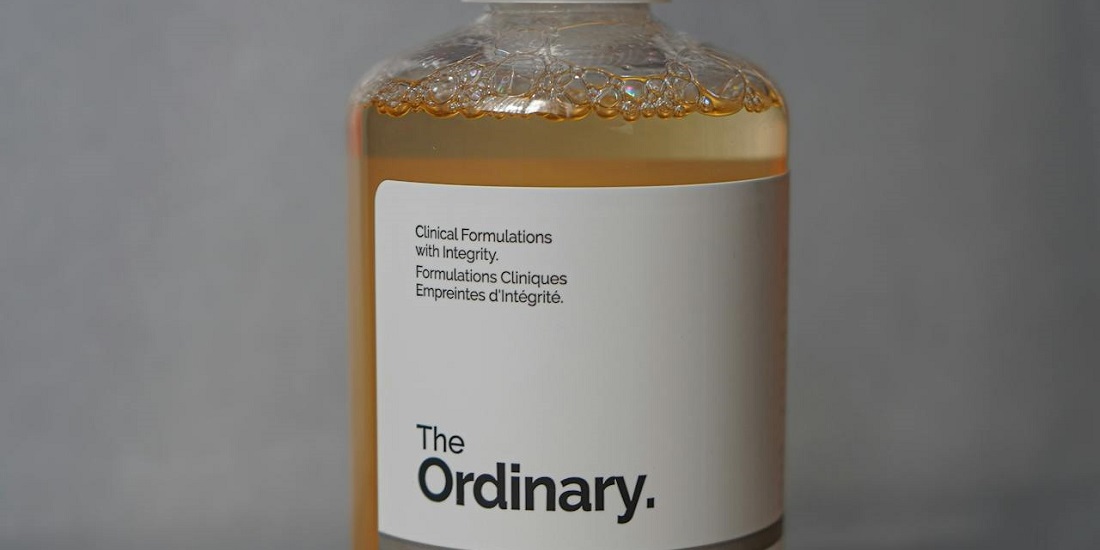
Retinol is commonly found in night creams and serums used for reducing wrinkles around the lips and evening out skin tone. It’s usually applied in small amounts because it’s very potent. If you mix it with AHA or BHA acids—such as glycolic or salicylic acid—the skin may become dry, irritated, or start peeling. These acids are found in toners, peels, and face gels, especially those aimed at unclogging pores or removing dead skin cells. AHA and BHA acids are effective on their own, but using both in the same routine can lead to excessive exfoliation. The skin becomes sensitive, red, and prone to irritation.
Vitamin C, often used in morning serums to refresh and brighten the skin, does not pair well with retinol. These two ingredients work differently and may overwhelm the skin when used together. Additionally, vitamin C and niacinamide (found in calming creams and oil-control products) can sometimes reduce each other’s effectiveness and cause an uncomfortable warming sensation.
Tips for properly combining cosmetic products without irritation
The most important thing is to introduce new products gradually. If you add several at once, it becomes difficult to tell which one is causing a reaction. By including them one at a time, your skin can adjust, and it will be easier to identify what works and what doesn’t.
If you’re unsure how your skin will react, it’s best to use products from the same line. These are often formulated with similar pH levels and compatible ingredients. When combining products from different brands, pay close attention to the ingredient list. For example, a retinol serum pairs well with a mild, fragrance-free, alcohol-free moisturizer to reduce potential dryness.

You can include occasional skin booster treatments in your routine. These deeply hydrate the skin and help repair its barrier. They are usually gentle, rich in hyaluronic acid, and suitable for combining with other products—especially if you want to enhance hydration without causing irritation.
Most common mistakes when combining skincare products
When trying to improve your skincare, it’s easy to make mistakes that lead to irritation. Some habits seem harmless but can seriously disrupt your skin’s balance. Here are the most common mistakes when combining products:
- Using too many new products at once: It’s hard to tell which ingredient causes a reaction if you introduce them all at the same time. Skin needs time to adjust to each new product.
- Believing expensive means better: Price doesn’t guarantee results. What works for one person may irritate another, regardless of cost.
- Mixing products without reading the label: Wrong combinations, like retinol and acids, can cause redness and peeling. Always check the ingredients before use.
- Using strong actives without sun protection: Ingredients like AHA, BHA, and retinol increase skin sensitivity to UV rays. SPF is a must.
- Being impatient and expecting fast results: Results take time. Over-experimentation can worsen your skin condition.
Necessary steps to take if irritation occurs
If irritation occurs, the most important thing is to stop and give your skin a break. At that point, stop using all products containing active ingredients like retinol, vitamin C, or acids. Your skin needs rest to recover. Switch to a simple routine—gentle cleansing gel, fragrance-free soothing cream, and sun protection during the day. Avoid exfoliation, even mild, until redness, tightness, or itching disappears. When you notice your skin has calmed, reintroduce products gradually. Start with one product, then after a few days, add another. This way, you can identify if a specific ingredient causes a reaction. If the condition doesn’t improve or worsens, it’s best to consult specialists. Professional assessment is important, especially if you have sensitive or reactive skin. Expert dermatologists will guide you on how to combine cosmetic products without causing irritation in the future.