
Why do children snore at night, and when is it a cause for concern?
 +381 64 4184 444
Many parents notice that their children snore at night. This may seem harmless, but it’s not always the case. Sometimes the causes are temporary, while in other situations action is needed. In some cases, snoring goes away on its own, but it can also point to a health issue. Dr Prlja Medical can help you identify the causes, the influence of environmental factors, sleep position, as well as jaw- and behavior-related reasons.
What is considered normal snoring in children
Children can make various sounds while sleeping. Some of these may sound like snoring but aren’t true snoring. If a child snores but has normal skin color and steady breathing, there’s no need to worry.
Some children have a mild weakness in the cartilage of the larynx. This condition is called laryngomalacia and may cause noisy breathing. It usually goes away by the first year of life. Bluish skin, pauses in breathing, or loud sounds are reasons for immediate medical attention. Head position during sleep can also affect breathing. The head should not be bent toward the chest. It’s best if the child sleeps on their back with a slight incline.
How room conditions affect snoring in children
Air quality in the room can make breathing harder during sleep.
- Dry air with less than 40% humidity can dry out the nasal lining. This can lead to nasal congestion and possible snoring. A humidifier can improve sleep quality.
- Also, clean air purifiers help if the child has allergies.
- Dust should be removed regularly, especially from carpets and stuffed toys.
- Room temperature should stay between 18 and 21°C. Overheated rooms and stale air can worsen breathing. Rooms should be aired daily, regardless of the weather..
Good air quality directly affects children’s airways.
Sleeping position and its effect on snoring
The way a child sleeps can affect their airways. Lying on the back can make snoring worse if the nose is blocked. Side sleeping may open the airways and reduce noise. For older children, slightly raising the head of the bed can help. The pillow should be low and firm to keep the neck straight.
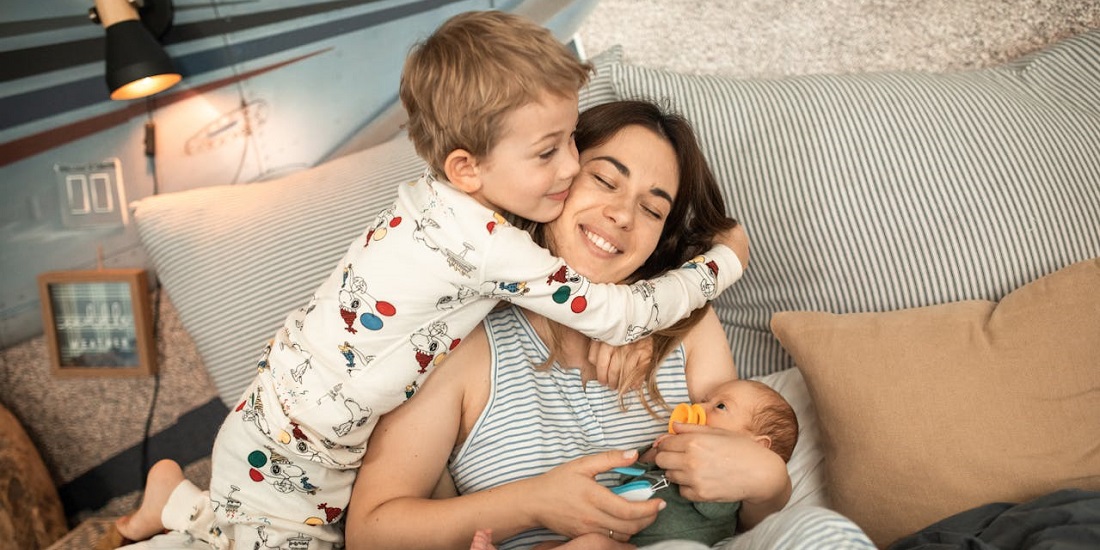
If a child sleeps with too many pillows, it can make breathing more difficult. It’s important to maintain a neutral position of the neck and head. Some children change sleeping positions during the night, which is normal. Still, if a child always falls asleep on their back and starts snoring, it’s worth trying a side position. There’s no need to force it—just observe how they respond.
Do dental and anatomical factors play a role?
Some children have anatomical features that make breathing harder. The following factors can contribute to snoring:
- High palate
- Narrow upper jaw
- Malocclusion (poor bite alignment)
- Improper resting tongue position
- Low jaw muscle tone
- Mouth breathing instead of nose breathing
- Deviated nasal septum
- Narrow airways
An ENT doctor can assess whether a jaw exam is needed. In some cases, more specialists may be involved. An orthodontist (a dentist who specializes in jaw development) can evaluate the jaw shape and possible blockages. A maxillofacial surgeon is consulted in more severe cases. Teeth and jaw issues are not always the cause of snoring, but it’s important to rule them out.
Snoring and daytime behavior: What parents often misinterpret
Some children who snore at night show unusual behavior during the day. Parents might notice that their child is restless, irritable, or impulsive. Children who don’t sleep well at night may have trouble focusing. These symptoms are sometimes wrongly labeled as hyperactivity or ADHD. In reality, the cause may be poor sleep due to breathing interruptions.
Fatigue in children often appears as hyperactivity, not sleepiness. Teachers and caregivers might also notice behavior changes. If a child shows mood swings, it’s worth checking their sleep quality. This can help avoid unnecessary treatment when the cause is physical. Monitoring nighttime breathing helps uncover the reasons behind daytime problems.
How long can snoring in children last?
Occasional snoring may result from tiredness or mild nasal congestion. This usually doesn’t require medical attention if it lasts under two weeks. If snoring continues for more than two to three weeks, it’s time to see a doctor. Persistent snoring may point to structural or functional airway issues.
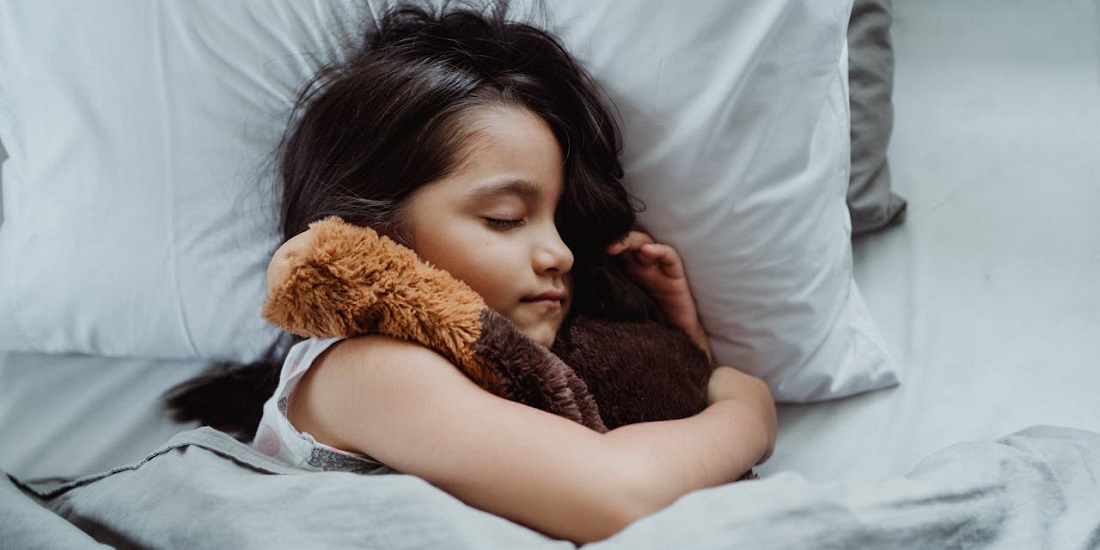
If parents notice that a child snores more often, even without a cold, it’s important not to delay a medical checkup. Early detection of the cause helps solve the problem more effectively and protects sleep quality.
Allergies may be the reason children snore at night
Seasonal and indoor allergies can block a child’s nose. This makes breathing harder and leads to snoring during sleep. The most common allergens include:
- pollen
- household dust
- dust mites
- pet hair
When a child has allergic rhinitis, the nasal lining swells and narrows the airway. This makes the child breathe through the mouth, which may cause or worsen snoring. In these cases, it’s important to recognize allergy symptoms and consult a pediatrician or allergist. If snoring happens only during certain times of the year, allergies may be the main cause. Removing allergen sources often leads to improvement.
Can a cold cause temporary snoring?
During a cold, children’s airways can narrow due to mucus and swelling. This often leads to temporary snoring. When the nose is blocked, children breathe through their mouths. Cold-related snoring usually lasts a few days until the symptoms pass. There’s no need to worry if snoring is clearly tied to a viral illness. Still, it’s important to watch if the snoring continues after the cold. This might mean another factor is affecting breathing. If the child gets sick often and recovers slowly, an ENT checkup is recommended.
Parents often struggle to tell the difference between a regular cold and a more serious breathing issue. A cold typically does not cause breathing pauses, loud or irregular snoring, or daytime fatigue. If those symptoms appear, medical help is needed. Snoring caused by a cold isn’t a concern if it’s short-term and doesn’t disturb sleep.
When is snoring in children a reason for concern?
Snoring that is persistent, loud, and comes with breathing pauses can point to a more serious problem. If a child stops breathing, wakes up unsettled, or sweats during sleep, professional evaluation is needed. These signs may suggest sleep apnea or another breathing disorder.
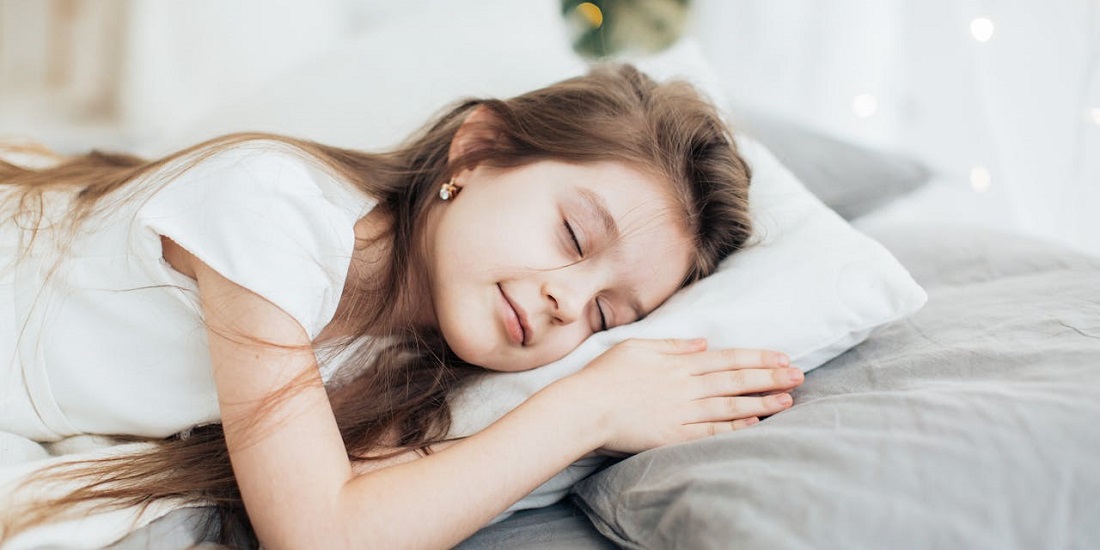
Also, if a child seems tired during the day, struggles to concentrate, or has sudden mood changes, their sleep may not be restful. Snoring should not be ignored if it lasts long and affects daytime functioning. Parents should track how often and how loud the snoring is, along with any other symptoms. This information helps the doctor decide on the next steps. Early evaluation improves the chances of treating snoring effectively and improving sleep.
What can parents do if their children snore at night?
A few simple steps can help right away.
- Clean the child’s nose with saline solution before bedtime.
- Avoid giving food right before sleep.
- Sweets and milk in the evening should be avoided, as they increase mucus production.
- Turn off screens at least one hour before bedtime.
- Keep the room dimly lit and well-ventilated.
Parents can keep a sleep diary: when the child falls asleep, when they wake up, and if they snore. These notes help the doctor better understand the cause. These steps do not replace a medical checkup, but they can improve sleep quality.
How to recognize a problem and when to act
If children snore at night occasionally, it may be temporary. If it happens daily and comes with other symptoms, it deserves attention. Causes of snoring vary—from sleep position and allergies to jaw structure. Babies and older children may have different causes. Parents are the first to notice the problem and can make a big difference. Observing, recording symptoms, and timely doctor visits can prevent complications. Better sleep means a healthier, calmer child. If you’re unsure, it’s always better to ask a specialist and get timely advice.