
What is the difference between facial and body mesotherapy?
 +381 64 4184 444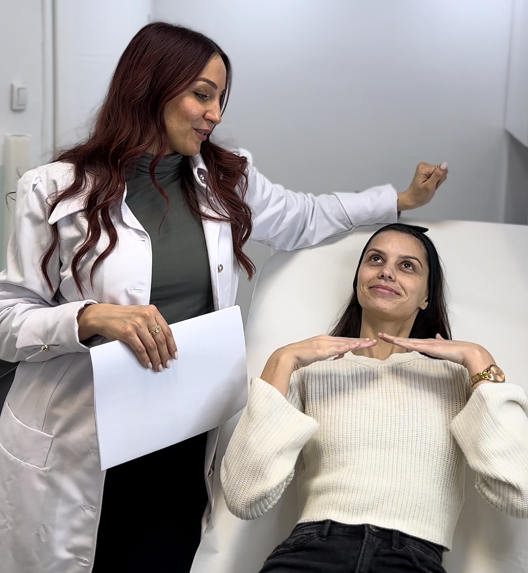
Mesotherapy is a gentle treatment where the doctor uses tiny injections to deliver cocktails of vitamins, hyaluronic acid, and antioxidants directly into the skin. In this way, the skin receives support for hydration, elasticity, and an even tone, so it does not look tired and dull. Mesotherapy is performed on the face, neck, and décolleté, but also on the abdomen, thighs, buttocks, and upper arms, so people can choose the area during consultations at aesthetic clinics in Belgrade. Some choose it as their first aesthetic treatment because they want a gentle approach, while others already have a developed care routine but are looking for a deeper effect that only the best body treatments in Belgrade can provide. That is why mesotherapy is increasingly becoming part of overall skin care, and not just about appearance, which raises the question of how big the difference between facial and body mesotherapy actually is.
Facial mesotherapy: Goals, treatment process, and sensation during the procedure
Facial mesotherapy is a non-surgical treatment that nourishes the skin from within. The doctor injects small amounts of hyaluronic acid, vitamins, minerals, and amino acids into the middle layer of the skin. These substances bind water and stimulate microcirculation and collagen synthesis. That is why the skin becomes more hydrated and elastic. The following areas are most often treated:
- forehead
- cheeks
- under eye mesotherapy
- area around the lips
Before the procedure, the doctor examines the skin, then cleans it and applies a numbing cream. After a few minutes, they perform a network of tiny injections with a thin needle or a special mesotherapy gun. Most people describe the treatment as slightly uncomfortable, more like stinging than pain. Usually, a series of three to six facial treatments is performed. The intervals between sessions range from one to four weeks.
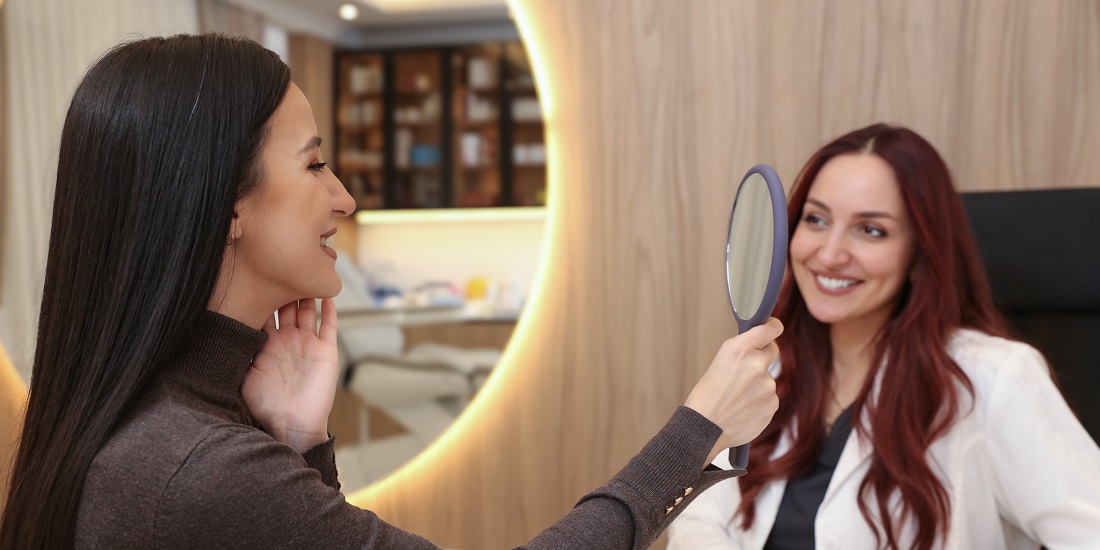
The first effects become visible after a few days, and with proper maintenance they can last for months. After the treatment, redness, mild swelling, or bruising may appear. These reactions usually disappear within a few days with the recommended care.
Body mesotherapy: Cellulite, tone, and localized fat deposits
Body mesotherapy is most often performed for cellulite, localized fat deposits, and loose skin. The following areas are treated:
- abdomen
- thighs
- buttocks
- hips
- upper arms
During body treatments in Belgrade, the doctor usually injects a cocktail of active substances into the middle layer of the skin. It usually contains:
- Lipolytics, which act on fat cells and help fat break down more easily, after which it is gradually eliminated from the body through the circulation and lymphatic system.
- Another group of ingredients speeds up microcirculation and lymphatic drainage, reduces fluid retention, and gives the skin a “lighter” feeling.
- Hyaluronic acid binds water, fills small depressions, and over time makes the surface of the skin smoother.
This approach is especially helpful in pronounced cellulite, but also in stretch marks. With stretch marks on the abdomen and thighs, the edges can become softer. They still do not disappear completely, but look less noticeable and blend better with the surrounding skin. The sensation during the treatment itself is individual, often with stronger stinging or pressure in the deeper layer of the skin, and a local anesthetic cream is used if needed. After the treatment, the skin may be warm, red, or slightly swollen but these reactions subside over the next few days.

Doctors usually perform a series of five to ten body treatments once a week or every ten days. For a better effect, the doctor often advises:
- more water during the day
- moderate physical activity
- a balanced diet for healthy skin
After the treatment, it is not good to use a sauna and very hot baths. Avoid strong massages and intense leg or abdominal workouts so that your body has time to process the injected substances and your skin can respond calmly.
The difference between facial and body mesotherapy in practice
When facial and body mesotherapy are compared, the differences become clearer. Softer cocktails are used on the face. They mainly hydrate the skin and soften fine lines. On the body, formulas with stronger draining and lipolytic ingredients are used. The goal is to target cellulite, skin tone, and circumference.
- The depth of needle insertion differs. The face is usually treated more superficially and with a denser concentration of ingredients. On the body, the treatment reaches a slightly deeper layer. That is why the sensation on the face is more like superficial pricking. On the body, it sometimes feels like stronger pressure from within.
- The prices of body treatments in Belgrade are usually structured differently as well. The face is counted as one area or as a package with the neck. The décolleté is often added too. The body is most often charged per zone, for example the abdomen or thighs.
- Results on the face depend on both skincare and sun exposure. On the body, they relate more to diet, activity level, and body weight. That is why the duration of the effect also varies from person to person.
When mesotherapy is not a good choice for the face or body
There are moments when mesotherapy, regardless of the area, simply is not a good choice.
- During pregnancy and breastfeeding, doctors generally avoid these treatments, because the body goes through major changes and any extra risk makes little sense.
- The same applies when you have an active skin infection, herpes, fresh wounds, or strong inflammation – in those cases, the priority is to calm the condition first, and only then consider needles and cocktails.
- People with more serious chronic illnesses should decide on mesotherapy together with the doctor who manages their therapy
- If you know that you react strongly to allergens, have a history of severe allergic reactions or keloid scars, it is important to tell your doctor openly, because they may suggest another solution.
- People diagnosed with psoriasis, skin with rosacea, or atopic dermatitis often first need to bring the skin into a calm phase with dermatological care.
Only when the underlying problem settles does mesotherapy make sense as an addition, and not as the main treatment. Otherwise, mild creams, medical cosmetics, low-intensity chemical peels, or simpler procedures sometimes offer a safer path to more stable skin.
Why do we sometimes look for an alternative to mesotherapy?
Sometimes the skin simply needs something different, so instead of mesotherapy the doctor may suggest Botox, fillers, or PRP.
- When wrinkles come mainly from facial expressions, for example on the forehead or around the eyes, facial Botox often gives a better result than mesotherapy. In these areas the problem comes from excessive muscle contraction, so it makes sense for the treatment to act directly on the muscle, not on the skin itself.
- For people with a pronounced loss of volume – hollow cheeks, deep nasolabial folds, or thin lips – hyaluronic fillers have an advantage. They can fill depressions and restore shape, which mesotherapy alone cannot do.
- PRP treatment makes sense when you want stronger regeneration, for example with acne scars, thinner and “crumpled” skin, or diffuse hair loss. In these situations, growth factors from your own plasma can stimulate new collagen production and improve tissue density.
- For the body, when pronounced fat deposits dominate or when the goal is circumference reduction, the doctor may first suggest body treatments in Belgrade such as injection lipolysis, cryolipolysis, or radiofrequency, because they affect body fat tissue and skin tightening more strongly than mesotherapy alone.
Mesotherapy remains a better choice when the skin mainly lacks hydration and finer texture, while volume and muscle movement are not a major issue. In practice, the doctor often combines these methods but chooses the treatment according to the main goal, not according to trends.
How to include mesotherapy in your skin health routine
When you look at the full picture, mesotherapy remains one of the gentler methods for the skin. The face usually needs more hydration and glow, while the body needs tightening. In that balance lies the difference between facial and body mesotherapy. Your habits, age, diagnoses, and expectations help the doctor suggest a realistic plan. It helps a lot when you openly say what exactly bothers you on the face or body. Then the treatment does not serve as quick “cover-up,” but as long-term support for skin health. A slight change in diet, more sleep, and more movement all enhance the effect of every procedure. When you see things that way, it becomes easier to build a routine that truly suits you. Mesotherapy then becomes part of broader self-care, not its center.