
How does physical activity affect the longevity of aesthetic procedures?
 +381 64 4184 444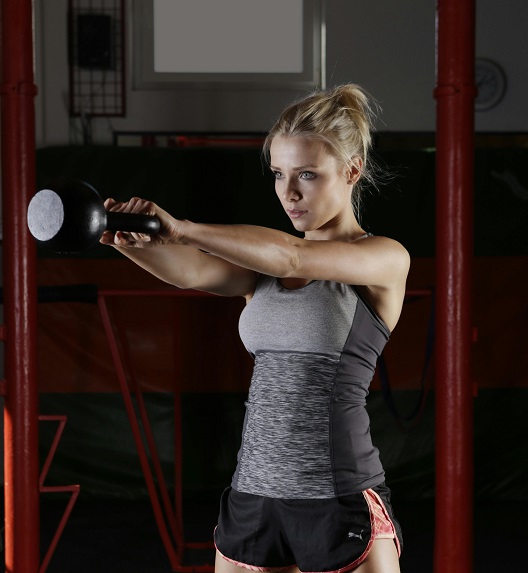
Healthy habits and physical activity often go hand in hand with skincare. When the body functions properly, the skin looks more rested, elastic, and naturally radiant. Does physical activity affect the longevity of aesthetic procedures? It certainly improves circulation, speeds up cell regeneration, and helps deliver more oxygen to the tissues. However, as with everything, balance is key. Exercising too intensely right after a treatment can slow recovery and reduce results. Gentle movement, timely rest, and proper hydration help maintain the effects longer. When the body and skin work in harmony, every procedure delivers more natural and lasting results.
How the body reacts to aesthetic procedures
After an aesthetic treatment, the body needs time to recover and restore balance. During this period, natural processes of skin and tissue renewal begin. Rest is very important at this stage because it allows cells to regenerate and helps the treatment results become more stable.
Circulation and the lymphatic system then work at full capacity — blood delivers oxygen and nutrients, while lymph removes toxins and excess fluid. This balance contributes to better nourishment of the skin and stimulates collagen production, a protein that gives it firmness and elasticity.
Intensive physical activity right after a treatment can speed up blood flow and cause the applied product to break down faster. However, moderate movement, combined with enough sleep and a proper diet for healthy skin, helps the skin look better and keeps the effects lasting longer. When habits are balanced, the results are more stable and natural.
How physical activity affects the longevity of aesthetic procedures
Moderate movement has a positive effect on the skin, but the timing of returning to workouts after an aesthetic treatment is crucial. After facial treatments, the skin needs time to stabilize and allow the active ingredients to distribute properly. In the first day or two, increased pressure and blood flow can cause the product to shift and lead to mild swelling, so it’s recommended to postpone intense physical activities temporarily. Once the skin calms down, light cardio and gentle exercises stimulate circulation and contribute to a healthier facial appearance.
Sweating during exercise has a dual effect — it helps detoxify the skin but, in the early recovery stages, may increase irritation risk if the pores are not fully closed. That’s why keeping the skin clean and hydrated after every workout is important. Moderate cardio does not affect treatment results, but overly intense workouts and exposure to extreme heat (for example, saunas or HIIT sessions) may shorten their duration for some individuals. Well-spaced training, combined with good hydration and proper skincare, prolongs results and maintains a natural tone.
Can physical activity affect the longevity of aesthetic procedures in a positive way?
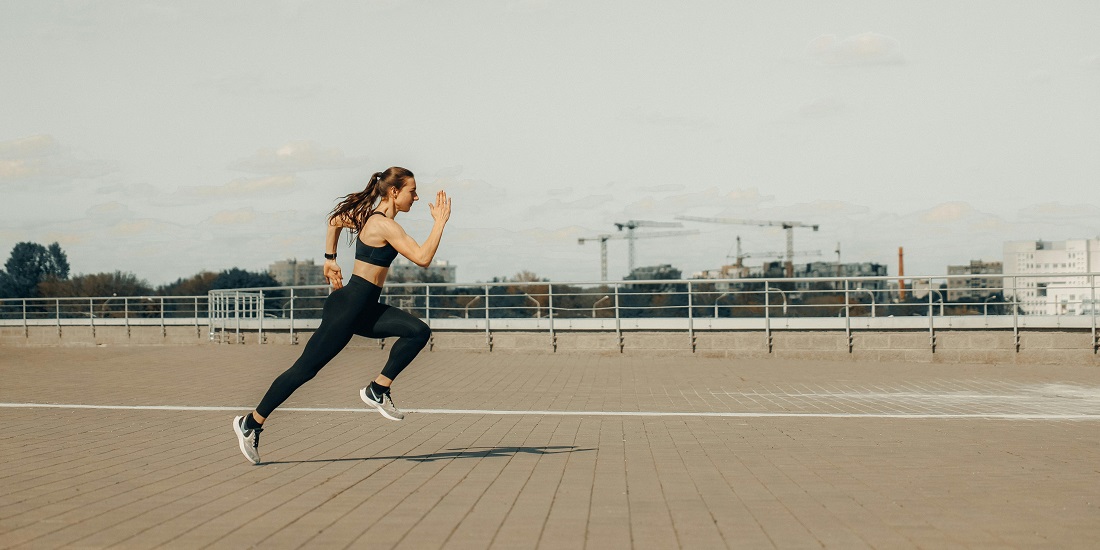
Different types of physical activity affect the skin and the outcomes of aesthetic treatments in various ways. Aerobic exercises improve circulation and oxygenation of tissues, so the following activities are recommended:
- brisk walking
- swimming
- cycling
- yoga
- pilates
When blood rich in oxygen and nutrients is properly distributed, skin cells receive the energy needed for regeneration and collagen renewal. That’s why people who practice aerobic exercise regularly often have a more even skin tone and longer-lasting treatment effects.
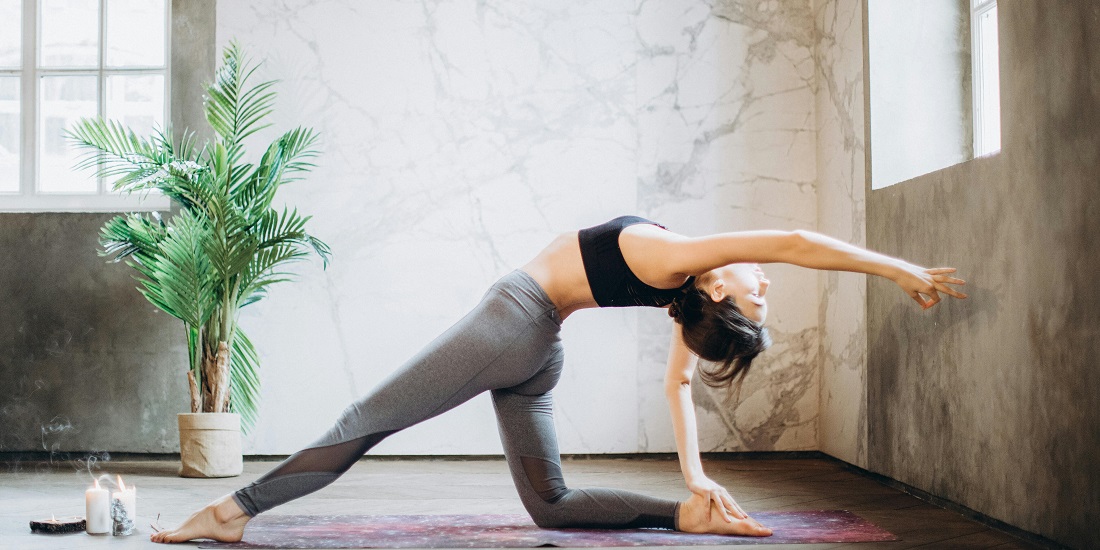
Yoga and Pilates work on a deeper level by reducing stress and improving microcirculation. When the body is relaxed and stress hormones are balanced, the skin responds better to treatments and retains its elasticity. Strength training also plays an important role, as it tones the muscles that support facial and body contours. However, excessive exertion can temporarily increase swelling after treatments, so a moderate approach is always the best choice.
Recommendations from aesthetic experts and trainers
Trainers and specialists for aesthetic surgery in Belgrade often agree on one thing — the body should be listened to, and the return to training should not be rushed. After treatments, especially those that affect subcutaneous tissue or circulation, it’s beneficial to take a break for a few days. This period allows the body to recover, reduce swelling, and establish stable blood flow to the treated areas. When you feel ready, it’s best to start slowly with exercises that do not cause pressure or friction at the treatment site.
Proper nutrition and hydration contribute to better recovery and longer-lasting treatment effects. Rest between workouts and treatments is just as important as the exercise itself — regeneration is when the body repairs and strengthens the achieved results. Moderation, gradual activity increase, and attention to diet help treatments look more natural and last longer.
Treatments that require a rest period
The type of aesthetic treatment greatly affects when and how you can return to physical activity.
- After Botox facial injections, a short rest period is recommended, usually one to two days. During this time, the product evenly distributes within the tissue and binds to the targeted muscles.
- The same applies to facial filler treatments. Exercising too soon can increase blood flow, causing the hyaluronic acid to start to fade faster, so it’s best to wait until swelling and redness have completely subsided.
- For facial mesotherapy, stable circulation plays a key role. Light activities such as walking or stretching can improve oxygen and nutrient delivery to the skin.
- Similarly, PRP treatment stimulates the skin’s natural regeneration and collagen production, just like mesotherapy. However, sweating right after the procedure may cause irritation, so it’s important to keep the skin clean and hydrated.
- Body treatments such as cryolipolysis or radiofrequency require special care. Intense exercise immediately after the procedure can affect result consistency and increase the risk of swelling.
It’s best to return to physical activity gradually, choosing exercises that enhance microcirculation — light cardio and stretching help maintain skin elasticity and prolong results.
How to balance your workout routine and aesthetic treatments
Coordinating workout schedules with aesthetic treatments helps the body regenerate properly and maintain achieved results. It’s best to plan treatments a few days before or after more demanding workouts so the body has time to recover and stabilize. After a treatment, the body goes through an adjustment phase — circulation increases and tissue renewal becomes active, so excessive strain may slow the process. Gentle activities such as stretching, yoga, or walking can be done safely, as they do not put pressure on the face or body.
After procedures such as mesotherapy or hyaluronic fillers, it’s recommended to return to the gym only once the skin is no longer sensitive and any swelling has subsided. A moderate workout pace then promotes circulation and improves muscle tone. Quality sleep, sufficient water intake, and a healthy diet are just as important as physical activity itself — they help the body maintain balance and preserve the results of aesthetic treatments for longer.
Common mistakes and how to avoid them
After aesthetic treatments, the body goes through a phase of adjustment and recovery. That’s why it’s important to carefully choose the right moment to return to physical activity. In practice, the same mistakes often occur, which can reduce the effectiveness of the treatment or prolong recovery:
- Sun exposure immediately after treatment. UV radiation can cause pigmentation and slow down regeneration, even if you exercise outdoors in the morning.
- Insufficient protein intake. Collagen is formed from amino acids, so protein deficiency directly affects the durability of aesthetic treatment results.
- Wearing tight clothing after body treatments. If you’ve had cryolipolysis, radiofrequency, or lipolysis, tight clothing can create pressure and block lymphatic flow.
- Prolonged sitting or inactivity. For treatments that stimulate circulation, such as drainage or leg procedures, lack of movement can slow lymph flow and extend swelling.
Achieve balance between physical activity and skincare
The body and skin respond best when they are in balance. Regular physical activity supports overall health and gives the skin a more natural, refreshed appearance. When workouts are combined with proper skincare, the results of aesthetic treatments last longer and look more harmonious. Moderation, enough rest, and a balanced diet help the body maintain firmness and elasticity. So, does physical activity affect the longevity of aesthetic procedures? Yes, and the effect is positive only when practiced carefully and under expert guidance. Self-care means more than just exercising or undergoing treatments — it also involves listening to your body’s needs. Before returning to intense workouts, it’s always wise to consult a professional who can help you maintain the best possible results.