
What is a cholesteatoma?
 +381 64 4184 444
Persistent pressure in the ear, reduced hearing, and unpleasant discharge can indicate a serious issue – a cholesteatoma. Although it is not a malignant tumor, it can cause permanent damage if not detected in time. It most commonly develops in the middle ear and gradually damages the auditory structures. Dr Prlja Medical will explain what a cholesteatoma is, how it forms, what symptoms indicate its presence, how it is diagnosed, and what treatment options are available.
Cholesteatoma – What you need to know
Cholesteatoma is an abnormal accumulation of skin cells and other tissues inside the ear. Although it may seem harmless, this growth can cause serious damage to surrounding structures if left untreated. It most commonly develops in the middle ear, and is often referred to as a middle ear cholesteatoma.
This condition can develop because of frequent ear infections or problems with the ventilation of the middle ear. Over time, the tissue growth presses on the auditory ossicles, inner ear, and other important parts, leading to hearing loss and other complications.
It is important to know that a cholesteatoma is not a tumor in the traditional sense – it does not spread throughout the body, but it can be very aggressive locally. This is why early diagnosis and appropriate treatment are crucial in preventing permanent damage.
Causes of cholesteatoma
The condition most commonly develops because of problems with the normal airflow through the Eustachian tube, which connects the middle ear and throat. When this tube does not function properly, the pressure in the middle ear decreases, creating conditions for part of the eardrum to retract and form a pocket in which skin cells accumulate.
Common causes include chronic ear infections, frequent middle ear inflammations in childhood, and eardrum injuries. Sometimes, a cholesteatoma may develop without previous infections, as a congenital change present from birth. Regardless of the cause, the growth over time can seriously damage hearing and lead to other complications if not detected in time.

Symptoms of cholesteatoma
The symptoms often develop gradually, which is why many people do not recognize them at first. This condition can grow for a long time without significant complaints, and the first signs often resemble ordinary ear infections. The most common symptoms are:
- Reduced hearing – you may notice a decrease in hearing in one or both ears, especially if the condition has affected the auditory ossicles.
- Pressure in the ears and a feeling of fullness – there is a constant feeling that your ear is “blocked,” even though there is no pain in the early stage.
- Chronic ear discharge – a discharge with an unpleasant odor that persists for a long time and does not respond to standard treatments.
- Ear pain – it can be mild and intermittent, but in the case of infection, it becomes more pronounced and persistent.
- Dizziness – occurs when the cholesteatoma affects the inner ear and interferes with the balance centers.
- Facial muscle weakness – in more severe cases, the spread of infection can damage the facial nerve, leading to weakness or facial asymmetry.
In children, the symptoms may differ and are often less pronounced at first. The condition in children is most commonly manifested through recurrent middle ear infections, persistent discharge that does not go away even after multiple treatments, and slow or uneven progression of hearing.
Diagnosis of cholesteatoma
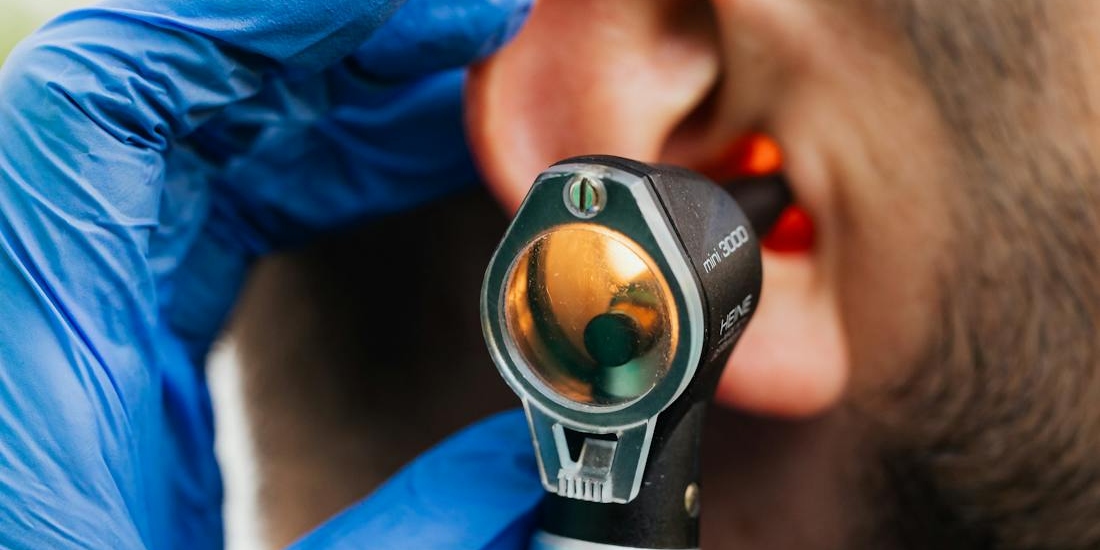
The diagnosis of cholesteatoma is made based on an examination by an otorhinolaryngologist (ENT specialist). The doctor first conducts a detailed examination of the ear using an otoscope, which can reveal irregularities, discharge, or signs of retraction of the eardrum.
If cholesteatoma is suspected, additional diagnostic methods are recommended, such as magnetic resonance imaging (MRI) or computed tomography (CT) of the temporal bone. These methods help determine the size of the cholesteatoma and assess potential damage to surrounding structures.
Treatment of cholesteatoma
The treatment of cholesteatoma requires timely and carefully planned therapy to prevent permanent damage to hearing and surrounding structures. In most cases, the only effective solution is cholesteatoma surgery. The goal of the surgery is to remove all pathological tissue and preserve as many healthy structures of the middle ear as possible.
The surgery is usually performed under general anesthesia, and the techniques depend on the size and extent of the cholesteatoma. In more severe cases, reconstructive surgery may be required to improve hearing. After the surgery, patients are advised to undergo regular follow-up, as cholesteatoma may recur. Control checkups and imaging help in the early detection of any recurrence of the disease.
In rare cases, with small and early changes, conservative monitoring may be attempted. However, timely surgery offers the best chance for a full recovery.
Complications of cholesteatoma
If cholesteatoma is not treated in time, it can cause serious and permanent damage. The most common complication is hearing loss due to damage to the auditory ossicles in the middle ear. In addition, the infection can spread to the inner ear, leading to dizziness and balance problems. In some cases, cholesteatoma complications may include tinnitus, or the unpleasant ringing in the ears, which further disrupts the quality of life.
In severe cases, cholesteatoma can cause a bone infection (mastoiditis), meningitis, or the formation of an abscess in the brain, which is a life-threatening condition. That is why it is important to respond immediately at the first signs and provide proper treatment to avoid such complications.

Prevention of cholesteatoma
Cholesteatoma is not always completely preventable. However, there are several steps you can take to reduce the risk of its development and help with early detection. It is important to pay attention to the following:
- Timely treatment of ear infections – any inflammation should be taken seriously and treated until fully healed.
- Regular check-ups with an ORL specialist – especially if you have frequent infections or chronic ear problems.
- Monitoring the function of the Eustachian tube – problems with middle ear ventilation can increase the risk of cholesteatoma.
- Treatment of eardrum injuries – any injuries should be examined immediately and treated if necessary.
- Maintaining ear hygiene – regular cleaning and, when needed, professional ear irrigation can help prevent chronic infections that increase the risk of cholesteatoma.
- Special attention for children – because cholesteatoma in children can progress quickly and remain undetected for a long time.
A quick examination can prevent serious problems
Cholesteatoma is a condition that requires a serious approach and prompt action. Do not wait for symptoms to worsen. Timely diagnosis and appropriate treatment of cholesteatoma can save your hearing and prevent complications that may affect your quality of life. If you notice any changes such as reduced hearing, chronic ear discharge, or a feeling of pressure, be sure to consult an ORL specialist. Our ORL clinic in Belgrade will provide complete diagnostics, treatment, and help you safely preserve your ear health.