
Ear irrigation at home: When, how, and why?
 +381 64 4184 444
Ear hygiene is an important part of personal care, yet it is often overlooked. Many people do not know how to properly care for their ears, and incorrect methods can lead to hearing damage or infections. Ear irrigation at home can be a safe way to remove excess earwax and maintain ear canal health, but only if done correctly. At Dr Prlja Medical Clinic in Belgrade, we often encounter patients with problems caused by improper ear cleaning or excessive use of cotton swabs. Our goal is to explain how ears can be safely cleaned at home, when it makes sense to do so, and which mistakes are most common.
When and why is ear irrigation necessary?
Earwax, or cerumen, serves a protective function – it cleans, lubricates, and shields the ear canal from bacteria and dust. However, in some individuals, excessive buildup occurs, which can block the ear canal and cause discomfort.
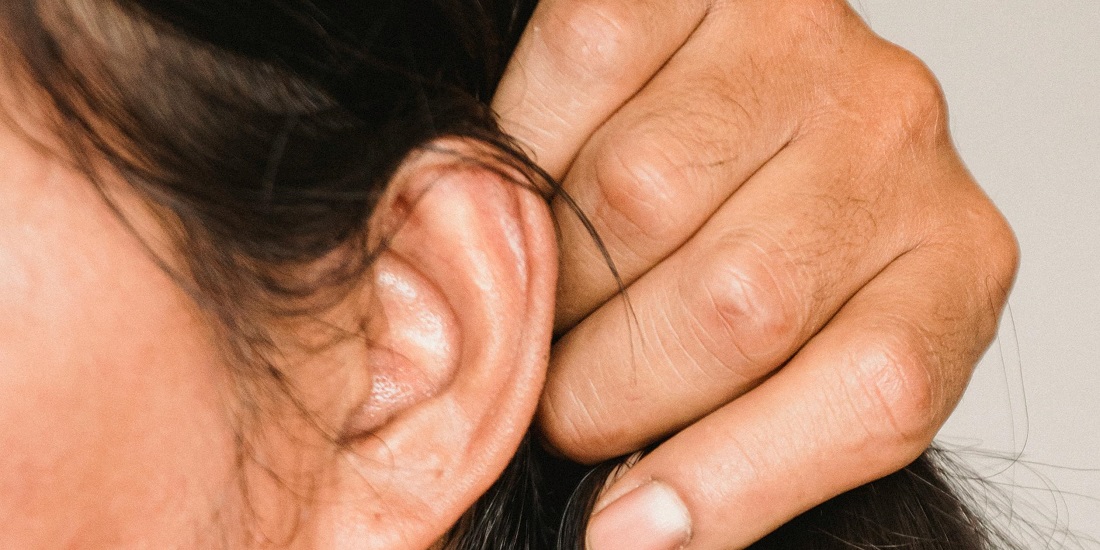
Common symptoms of accumulated earwax include:
- A feeling of pressure in the ears
- Congestion and reduced hearing
- Dizziness and ringing in the ears (tinnitus)
In such cases, irrigation helps restore normal ear canal patency and improves the quality of daily functioning. Some people have a genetic predisposition to produce larger amounts of cerumen, while others develop the issue due to improper cleaning. If you experience recurring symptoms, it is recommended to have an ENT examination to determine the cause and decide on the appropriate treatment.
The right way to irrigate your ears
EEar irrigation at home can be done easily if you follow the steps and use safe methods. The most common options are saline solution for ears or boiled lukewarm water. Here is how to rinse ears in the most effective way:
- Prepare the solution – warm the saline solution or water to body temperature (lukewarm, never hot).
- Prepare the equipment – use a plastic syringe without a needle or a special pump available at the pharmacy.
- Tilt your head – stand over the sink and tilt your head to the side so that the ear faces upward.
- Rinse slowly – gently inject the solution into the ear without strong pressure. The water should flow in gently and come out easily.
- Clean the outer ear – after rinsing, wipe only the outside with a towel or tissue, without pushing into the canal.
- Repeat if necessary – if you still feel blockage, seek medical assistance.
It is important to emphasize that this procedure should only be done for mild blockage and when there is no pain, bleeding, or signs of infection. In such cases, you should immediately consult a doctor.
How often should you irrigate your ears?
There is no universal rule for how often ear irrigation should be performed. For most people, earwax naturally clears out during activities like chewing and speaking, so no additional intervention is needed. However, some patients have a specific ear anatomy that predisposes them to wax buildup.
If you don’t have symptoms, there’s no need for routine cleaning. Over-irrigating can even disrupt the natural balance of microorganisms in the ear canal. At Dr Prlja Medical, we advise patients to come for an examination if they notice any of the following symptoms:
- Reduced hearing without other causes
- Unpleasant feeling of fullness or blockage
- Recurrent middle ear infections
- Discomfort when sleeping on one side
A healthy approach is to address issues when they arise, rather than engaging in routine “cleaning” without necessity.

Ear irrigation at home: Tips for parents
Children’s ears are more sensitive, so it’s important to handle them with special care. Many parents make the mistake of thinking that it’s normal for a child to have unclear hearing or constantly blocked ears. In reality, this can be a sign of accumulated wax or more serious issues. Excess earwax can negatively affect speech development and concentration in school. That’s why it’s important to act in time and not ignore the first signs of discomfort.
ENT issues in children often manifest quietly – the child may not respond to sounds, mispronounce words, frequently tug at their ear, or complain of pain. In mild cases, parents can use saline solutions for children available at the pharmacy. These solutions help soften earwax and make its natural removal easier. It is important to follow the instructions and never apply excessive force.
If the symptoms do not go away, the child still does not hear well, or pain appears, an ENT examination is necessary. The specialist will decide whether ear irrigation or another treatment is needed. Regular check-ups are the best way to detect problems on time.
Use of cotton swabs: Yes or no?
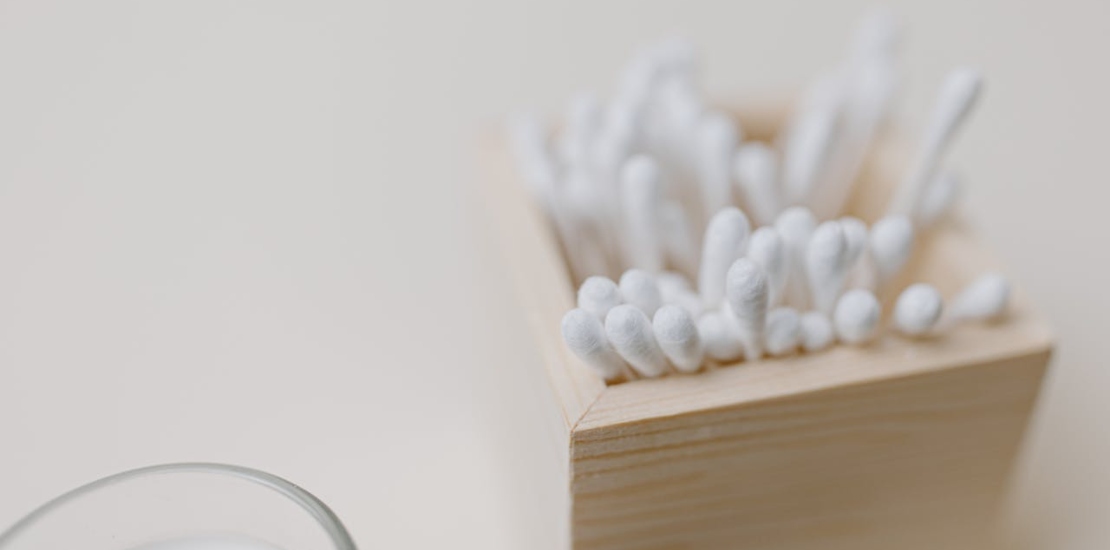
Although they are widely available and frequently used, cotton swabs do more harm than good. Their use often pushes the wax deeper, creating plugs that can block hearing and cause infections. Many users are unaware of this until they begin to feel discomfort and pressure in their ears. Even a slight push can cause microtraumas in the ear canal.
People use them out of habit or for aesthetic reasons, but experts agree that they should be avoided. If you already use cotton swabs, let it be only for cleaning the outer part of the ear – never for entering the canal. There are alternative products, such as ear wipes or sprays, which are safer for daily hygiene. It’s always better to be cautious than to later treat complications.
People who regularly use cotton swabs are more likely to need ear irrigation because this method has caused the problem. Instead, it’s better to use natural methods or rely on a specialist. Habits can be hard to break, but with good information, they can easily be replaced with the right approach.
How to safely clean your ears?
Proper hygiene doesn’t mean deep cleaning every day. On the contrary, less is more. Earwax has a natural protective role and should not be completely removed. However, if you feel the need for cleaning, there are safe ways to do it without risk.
The best ways to safely clean your ears:
- Wiping the outer part of the ear with a towel after showering
- Using earwax softening drops under a doctor’s guidance
- Professional ear cleaning at an ENT clinic
- Periodic check-ups if you experience frequent discomfort
If you’ve noticed a decline in hearing, ringing, dizziness, or pain, never attempt self-treatment. Our team at Dr Prlja Medical Clinic in Belgrade is always available for advice and treatments without risk.
With a little caution, ear irrigation at home can help you
Ear health should not be underestimated. Although it seems simple, ear irrigation at home should be done carefully and only when there is a real need. The best option is to use saline solution for ears or lukewarm boiled water, with gentle pressure and without inserting objects into the ear canal. The most common mistakes are rinsing too often, using cotton swabs, and ignoring symptoms such as pain, pressure, or ringing. If the problems persist or worsen, it is necessary to consult an ENT specialist. This way, you combine practical home care with professional supervision when it is truly needed.