
Risks of active ingredients on the skin and how to control them
 +381 64 4184 444
Active ingredients have become an essential part of daily skincare because they can visibly improve the skin’s appearance. Their effectiveness lies in their ability to influence processes in the deeper layers of the skin, which is why they are often used to reduce wrinkles, acne, or uneven tone. However, when used carelessly, they can cause irritation and other unwanted reactions. Still, the risks of active ingredients on the skin exist and should not be ignored. It is important to start slowly, monitor reactions, and adjust use according to your skin type. The adjustment period usually lasts from two to four weeks, during which the skin develops tolerance and becomes ready to benefit from what active ingredients offer.
How active ingredients work on different skin types
Active ingredients work by targeting specific processes within the skin, helping cells regenerate faster and function properly. Their effects can be either surface-level or deeper, depending on the chemical structure and formulation of the product. Surface ingredients, such as AHA acids, remove dead cells from the upper layer of the skin, improving texture and radiance.
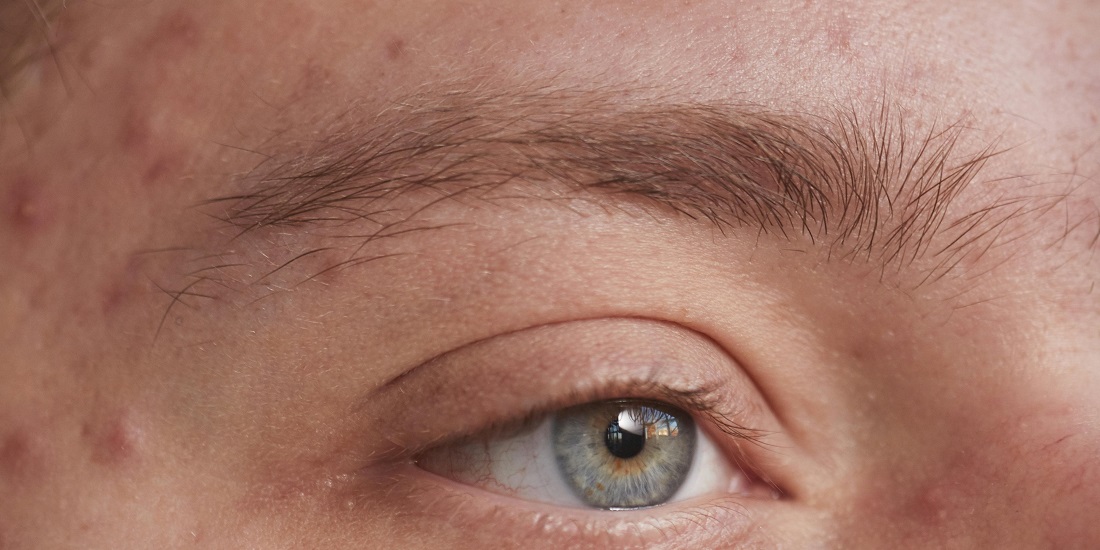
Substances that penetrate deeper, such as niacinamide or retinol, affect collagen synthesis and sebum control. Because of this, every skin type reacts differently — dry skin may become more sensitive, while oily skin often tolerates stronger formulas better. Acid-based products require caution with sensitive skin, as a weakened barrier increases the risk of burning and redness. Therefore, it is recommended to apply these products in the evening and use sunscreen during the day.
Risks of active ingredients on the skin at different ages
The skin’s reaction to active ingredients changes with age because its composition and functions gradually adapt to different needs. In teenagers, the sebaceous glands work more actively, so the skin often reacts with excessive sebum production and acne. That’s why strong acids or high concentrations of retinol can cause dryness and inflammation. At this age, it’s better to choose milder formulations with lower percentages of active substances and apply them occasionally.
In mature skin, the situation is the opposite — the epidermis becomes thinner, and the cell renewal process slows down. Therefore, excessive use of active ingredients can cause redness, burning, and flaking of the skin. These signs indicate that the product is too strong and that the skin is losing moisture faster than it can recover. In such cases, it’s necessary to take a break and continue with milder products combined with richer hydration.
Common risks of active ingredients on the skin
The most common risks of using active ingredients appear when the skin isn’t given enough time to adapt.
- The first signs of overstimulation are peeling, tightness, and a burning sensation. Retinol in skin care, for example, speeds up cell renewal and can cause irritation if used daily. Such use leads to a loss of lipids in the protective barrier, making the skin dry and sensitive.
- Acids, especially AHA and BHA, increase photosensitivity because they remove the surface layer of cells, so without SPF protection, UV damage can occur.
- Combining several strong ingredients further increases the risk of inflammation and microcracks on the skin’s surface. It’s important to distinguish mild, temporary irritation from real damage and use combine cosmetic products without irritation. If redness lasts for more than a few days, the skin needs a break and restorative care.
Lesser-known active ingredients and hidden risks
Besides well-known ingredients like retinol and acids, there are also lesser-known active ingredients that can cause unwanted reactions if used without supervision.
- Peptides are proteins that stimulate collagen synthesis and skin elasticity, but in high concentrations, they can lead to overstimulation and redness.
- Arbutin, used for evening out skin tone, contains natural hydroquinone derivatives, which can irritate sensitive skin.
- Azelaic acid is effective for acne and pigmentation, but when applied in excessive amounts, it can cause dryness and a burning sensation. Although plant extracts are often considered milder, combining them with acids can intensify their effect.
That’s why it’s important to read labels and choose products with clearly indicated percentages of active ingredients to keep usage safe and suitable for your skin type.
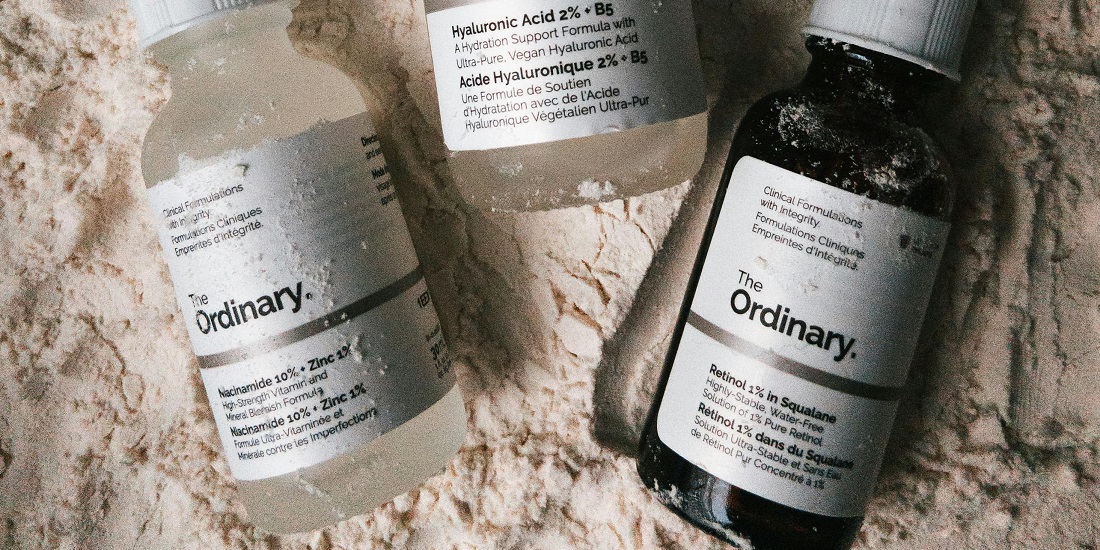
How to control the risks of active ingredients on the skin
Controlling the risks of active ingredients begins with careful product introduction and close observation of the skin’s reaction. Each new product should be introduced gradually, with at least seven to ten days between different active ingredients. This allows the skin time to build tolerance and show a clearer response to each formula.
During this period, it’s essential to use rich moisturizers that restore the lipid barrier and daily SPF protection to prevent UV damage. In winter, the skin retains moisture more slowly, so thicker textures are recommended, while in summer, light emulsions and gels are a better choice as they prevent clogged pores and reduce sun sensitivity.
Combinations to avoid and how to replace them
Some combinations of active ingredients, although powerful on paper, often cause the opposite effect in practice—irritation and loss of skin balance.
- One of the most common skincare mistakes is using retinol and acids at the same time. Retinol promotes cell renewal and makes the skin temporarily more sensitive, while acids remove the surface layer of dead cells. When combined, the skin is left unprotected, red, and prone to flaking.
- A similar issue occurs when vitamin C and niacinamide are used together. Both affect skin tone but work at different pH levels, which can cause stinging or reduce each other’s effectiveness.
- Retinol and benzoyl peroxide are also a poor combination because they dry out the skin and weaken retinol’s effects.
- Using two acids together, such as salicylic and glycolic acid, can also be problematic since both act on the skin’s surface and can easily cause irritation.
It’s better to alternate their use throughout the day or week. For example, vitamin C works well in the morning with SPF, while retinol and acids are best used at night—but not on the same day. This approach keeps the skin balanced and allows each ingredient to deliver its full benefit without risking overreaction.
When to seek professional help
Professional help is needed when the skin doesn’t respond to regular care and shows clear signs of damage. If prolonged redness appears, persistent burning that doesn’t subside with hydration, or visible flaking in layers, it means the skin’s protective barrier is compromised. In such cases, it’s necessary to contact your nearest anti aging center, where a specialist can assess how weakened the skin is and recommend targeted therapy.
- Products that restore lipids and moisture in the skin, such as creams with ceramides, hyaluronic acid, or panthenol, are most often advised.
- If the damage occurred due to frequent use of retinol or acids, a temporary pause in using active ingredients is recommended, followed by a gradual reintroduction of mild products once the skin has fully calmed.
- Timely intervention prevents deeper damage and allows the skin to regain its natural resilience.

Who should avoid using active ingredients?
During pregnancy, the skin goes through many hormonal changes, becoming more sensitive and prone to irritation. At this time, it’s best to avoid active ingredients that can have a systemic effect, such as retinoids and high concentrations of acids.
- Retinoids (vitamin A derivatives) can penetrate deeper into the skin and potentially affect fetal development, which is why their use is strongly discouraged.
- Products with high doses of AHA and BHA acids can cause excessive irritation and increase the risk of damaging the skin barrier.
Instead, it’s safer to use mild formulas with hyaluronic acid, niacinamide, or azelaic acid, which help maintain moisture and balance without risk. Before making any changes to your skincare routine, it’s necessary to consult a specialist who can assess the product composition and adjust care according to your health condition and stage of pregnancy.
Gradual and mindful use brings the best results
Skincare is best built gradually and mindfully, with an understanding of how each substance works. Active ingredients can provide visible and long-term results, but only when used carefully and consistently. When introduced properly, the skin becomes stronger, more hydrated, and more even in tone. It’s important to observe how the skin reacts and adjust care according to its needs. This approach reduces the risks of active ingredients on the skin and helps achieve a healthy look without irritation. Patience and simplicity often bring better results than aggressive treatments.