
Signs that your skin is lacking hydration
 +381 64 4184 444
Healthy, hydrated skin is much more than an aesthetic ideal – it is an indicator of the balance of the body. When the skin is hydrated, it performs its protective function better, looks brighter, feels smoother to the touch, and ages more slowly. Unfortunately, many people do not recognize the signs that their skin is lacking hydration, and they worsen the symptoms with incorrect treatments or neglecting basic care. Hydration is not just the outer layer of cream – it is a process that takes place in the deeper layers of the skin. Without enough water, skin cells regenerate slowly, elasticity is lost, and the face appears tired and lifeless. In large cities where climate, pollution, and daily stress are frequent factors, more and more people are visiting aesthetic clinics in Belgrade to restore skin balance. We reveal the most common signs of dehydrated skin and how to recognize them in time.
Tightness and discomfort after washing
If your face feels tight and uncomfortable after washing, it is very likely that your skin is losing moisture. That “tight” feeling does not necessarily mean that the skin is dry – it is often a sign that the deeper layers are lacking water.
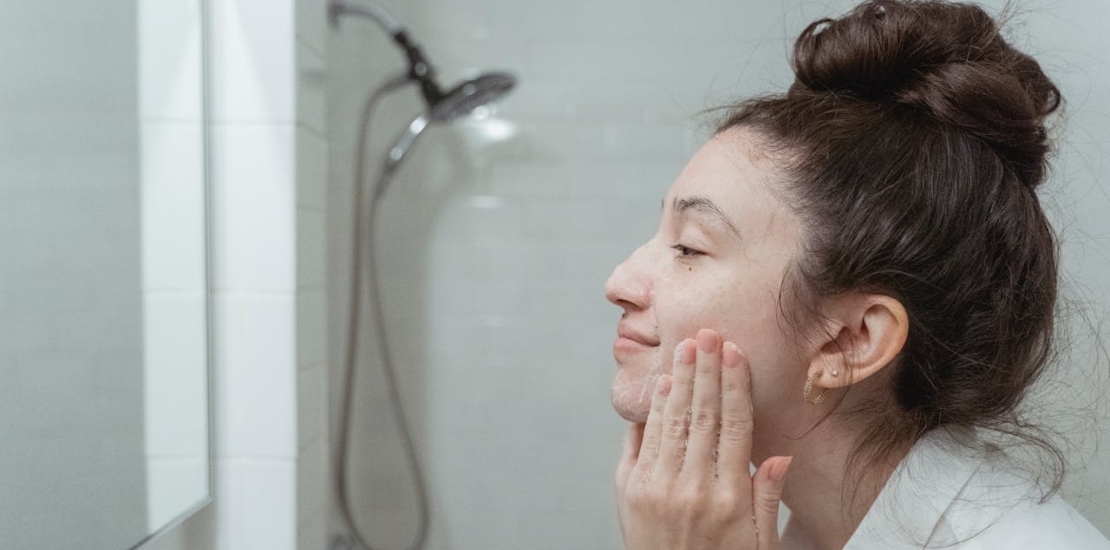
Dehydration in the dermis disrupts the function of the lipid barrier, so even mild soaps and water can cause irritation. If you feel the need to apply cream immediately after washing, it’s a sign that your skin is not retaining moisture on its own. Here’s what can help:
- Serums with hyaluronic acid
- Mild, sulfate-free cleansers
- Creams that restore the barrier (e.g., with ceramides)
Visible fine lines and wrinkles
One of the more common signs that your skin is lacking hydration is suddenly visible fine lines. These often appear on the forehead, around the eyes, and around the mouth. Unlike wrinkles caused by aging, these lines can be softened with hydration alone – without the need for aesthetic interventions. They most often appear in the morning or after being in an air-conditioned space, when the skin is further exposed to drying out.
How to Distinguish Dehydration Lines?
- They appear suddenly
- They are shallow and evenly distributed
- They disappear or lessen after hydration
In these situations, facial mesotherapy is a great option. This treatment delivers active moisturizing ingredients directly into the middle layer of the skin. After just a few days, the face looks fuller, and the texture is more even. Regular application of this treatment helps the skin retain moisture long-term and become more resistant to external factors.
Loss of natural glow
Dull skin often looks like it hasn’t had enough rest, even if you’re sleeping enough. This “tired” appearance is a result of poor microcirculation and reduced oxygen flow to the skin cells – a direct consequence of dehydration.
Slower metabolic processes in the skin lead to a dull complexion, especially in people who spend time in air-conditioned or heated spaces. This issue is further worsened in smokers and people who don’t drink enough water.
The Profhilo treatment, which uses stabilized hyaluronic acid, stimulates natural hydration and restores the skin’s freshness, with effects visible after just one session. It is especially recommended for people who notice a loss of tone and elasticity but are not yet ready for more aggressive treatments.
Increased sensitivity and redness
Dehydrated skin reacts much more easily to external factors – whether it’s wind, sun, pollution, or harsh cosmetics. When the skin loses moisture, its protective layer breaks down, and it can no longer retain moisture or prevent irritants from penetrating.
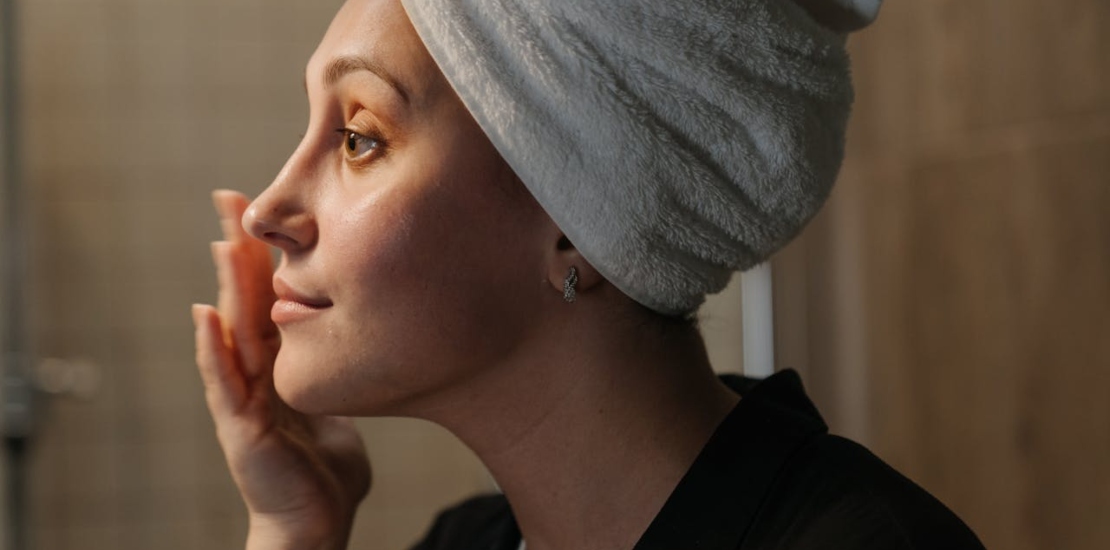
This leads to redness, itching, tingling, and heightened sensitivity, even to products you previously used without any issues. The skin then reacts more intensely to temperature changes, even to a mild breeze or cold air from air conditioning.
Here are a few tips to soothe sensitive and dehydrated skin:
- Avoid exfoliating until the skin recovers.
- Introduce moisturizing and soothing ingredients (panthenol, allantoin, ceramides).
- Be sure to use SPF daily, even in winter.
This combination helps the skin recover and become resistant again. A consistent skincare routine is key, as the skin often needs a few weeks to regain balance and normal function.
Flaking and rough patches
Skin flaking is often perceived as dryness, but in many cases, it is localized dehydration. The most commonly affected areas are the forehead, nose, and chin – as they are most exposed to external factors and are often cleaned aggressively.
When the skin becomes rough and flaky, makeup applies unevenly, and any further manipulation can cause irritation. Attempts to remove dead cells without hydration can only worsen the condition. Here’s how to approach these areas without additional irritation:
- Introduce a nighttime hydrating mask.
- Use emollient creams rich in lipids.
In more severe cases, consider treatments like hyaluronic fillers, which quickly restore moisture and skin fullness. They act as “water reservoirs” within the skin, improving volume and smoothness of the face. Results are visible almost immediately, and effects can last for months with proper care.
How to check if your skin is dehydrated?
There are simple ways to recognize dehydrated skin, even at home. The most well-known is the “pinch test” – gently pinch the skin on your cheek between two fingers and release it. If it slowly returns to its original position, it may be a sign of dehydration. Additional indicators include:
- Quick absorption of cream without effect.
- Fine lines that disappear after hydration.
- Discomfort during the day (tightness, itching).
- Dull, lifeless complexion without glow.
If you notice more than two signs, it’s time to change your routine and consult a specialist. A timely reaction can prevent further moisture loss and the development of chronic skin sensitivity.
Restoring hydration: How to do it?
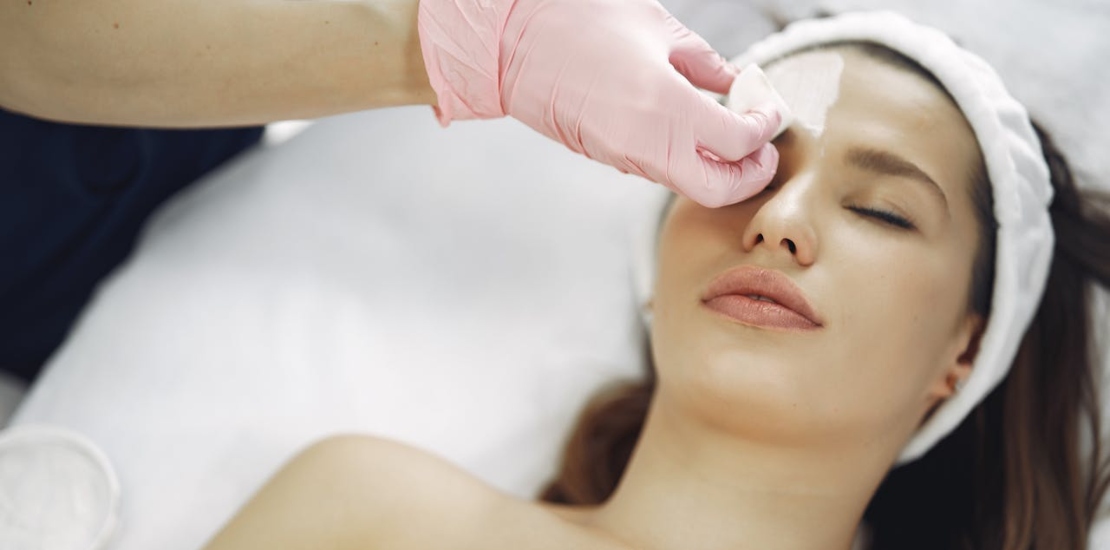
Restoring hydration is not an immediate process. It requires a combination of good habits, quality care, and professional treatments. Recommendations for restoring moisture:
- Drink 1.5–2 liters of water daily
- Introduce serums with hyaluronic acid and niacinamide
- Avoid drying products (alcohol, strong foams, excessive exfoliation)
- Consult a dermatologist if the problem is chronic
Why it’s important to act on time when your skin is lacking hydration
If your face feels tight, looks dull, prone to redness, or you have the feeling that your cream “disappears” right after application – it’s likely that your skin is dehydrated. These signals don’t mean something is completely wrong with your routine, but that your skin needs more support – both externally and internally. A timely reaction, along with quality care and expert advice, can make a big difference. At Dr Prlja Medical, our team helps you restore your skin – naturally, expertly, and sustainably. Don’t forget – when your skin lacks hydration, each day without proper care means a step further from a healthy appearance.