
Impact of alcohol on ear function: Everything you need to know
 +381 64 4184 444
Many people notice the impact of alcohol on ear function only later. After a few drinks, sounds may seem louder or strangely muffled. Some develop mild ringing, others a feeling of pressure or fullness in the ears. Such moments easily cause concern, especially if they occur often. This kind of problem also affects people who usually take good care of their health. That is why it is worth listening more carefully to what your ears tell you after an evening with drinks. Hearing is sensitive and reacts very directly to what you take in. With small habit changes, the ears often become calmer after alcohol. Then you also feel more stable and relaxed the next day.
What do people most often feel after drinking?
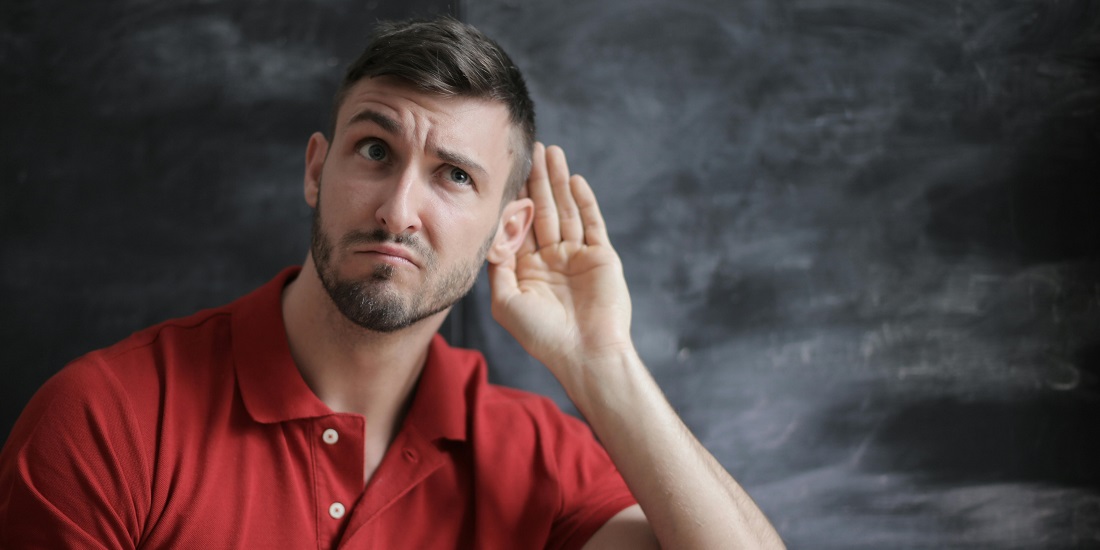
After an evening with alcohol, you may notice that your ears work differently. Ringing in the ear (tinnitus) can appear, faint or persistent, especially when you lie down in silence. Alcohol dilates the blood vessels in the head and changes the flow through the inner ear. Because of this, nerve cells may send stronger signals that the brain reads as noise. For you, a blocked ear, pressure, or fullness may appear more often, as if something is obstructing the passage. If you have allergies, a cold, or high blood pressure, the symptoms often feel stronger. At that point, the impact of alcohol on ear function also becomes more noticeable. Hearing may seem blurred, and sounds arrive dull and muffled.

Sometimes ear pain also appears, especially if there is an existing inflammation. These signs usually occur during the night or in the morning. They most often last for a few hours, sometimes almost the entire day, along with a hangover feeling. If all this happens often, it is worth paying more attention to these episodes.
Impact of alcohol on ear function: Inner ear and hearing
The inner ear is filled with fluid that carries information about sound and body position. When you drink alcohol, it enters the bloodstream and reaches this part of the ear as well.
- blood vessels dilate
- blood flow changes
- the composition of the fluid in the tiny structures of the inner ear also changes
- receptors can therefore send signals that do not match actual movement or sound intensity
- the brain receives such messages as noise, amplified sound, or a feeling of instability
If dehydration is also present, headache and pressure in the head occur more often, and with that a subjective feeling of pressure in the ears. On a simple level, alcohol changes fluid balance, affects blood vessels and nerve cells, so both hearing and balance behave differently. In the next step, these changes easily affect the canals that connect the ear and the nose, which leads to the familiar sensation of being underwater.
Alcohol, the Eustachian tube, and the feeling of being “underwater”
The Eustachian tube is a narrow canal that connects the middle ear with the nose and throat. Its role is to equalize pressure and allow unobstructed airflow. When you swallow, chew, or yawn, the tube opens briefly and the pressure levels out. After alcohol, the mucosa in the nose and throat can swell slightly. If you lie down right after drinking, the swelling and body position make it even harder for this tube to open. At that point you feel a blocked ear, pressure, or “crackling” when swallowing.
With a short blockage, the sensation changes during the day and eases with jaw movement, chewing, and better airflow. With a more persistent problem in the Eustachian tube, the discomfort lasts for days, often with symptoms that suggest hearing loss. Allergies, a chronically blocked nose, colds, and smoking increase the load on this structure. In that case, the impact of alcohol on ear function appears as an additional trigger rather than the only cause.
Dizziness and loss of balance after alcohol
When it comes to the feeling of dizziness after alcohol, the role of the inner ear is very significant. In this part, there are tiny canals filled with fluid and receptors that track head movement. When you drink, alcohol enters the blood and changes the density of the fluid, as well as the activity of these cells. The signal that reaches the brain is no longer fully aligned with what the eyes and muscles report. At that point, you may feel that everything is spinning, that you stagger, or that the floor is “slipping” from under your feet.
During the night, with dehydration and a drop in blood sugar, the symptoms easily become stronger. In the morning you feel unsteady, weak, and sometimes nauseous. A classic hangover usually brings dull pressure and mild instability. Vertigo from the inner ear more often appears suddenly and is accompanied by greater unsteadiness when walking, sweating, and nausea. If you feel that it is hard to stand, have a strong urge to vomit, or the episodes repeat, a conversation with a doctor and treatment of the balance center are necessary.
Alcohol, loud music, and permanent hearing damage
When you combine alcohol and loud music in a club, your hearing faces a double strain. Alcohol affects the brain and changes how you perceive loudness, so the music seems more tolerable than it really is. It then becomes easier to stay in a space where the noise level is above the safe limit. The inner ear feels this strain through fatigue of the hearing cells, so the next day you have ringing or muffled hearing.
- A short noise that disappears during the day usually means a temporarily “tired” ear.
- If the noise lasts for days, appears after every party, or comes with weaker hearing, the risk of more permanent damage becomes higher.
The type of drink (wine, beer, or spirits) matters less than the total amount of alcohol and the length of time spent in noise. Alcohol further dulls risk assessment, so you often stay longer than your hearing can tolerate. When this pattern repeats for years, the impact of alcohol on ear function can become permanent.
Long-term risks, Meniere’s disease, and risk groups
Frequent intoxication slows hearing recovery over time.
- After each stronger episode, the feeling of muffled hearing can last longer than before. Ringing becomes more frequent, and silent intervals become shorter. If you already have tinnitus, you will notice that it worsens more easily after alcohol.
- In people with Meniere’s disease, alcohol can worsen attacks. Vertigo, fullness in the ear, and unsteady gait then appear more often.
- People with high blood pressure, diabetes, and blood vessel diseases have a higher risk.
- Special caution is needed with medications that burden hearing or kidneys. For example, higher doses of some painkillers in combination with alcohol can damage hearing cells more quickly.
If ringing, pressure, or dizziness last longer than 24–48 hours, you should seek medical advice and schedule an ENT examination, especially when such symptoms repeat.
How to prevent the impact of alcohol on ear function?
Simple habits at home can help with symptoms after alcohol.
- Hydration: Water eases dehydration and pressure in the head. Drink a glass of water before going out, between drinks, and before sleep.
- Short breaks from noise during the evening: Step outside from time to time or go to a quieter area. This way you give the inner ear a chance to rest and calm down.
- Recovery with enough sleep and a light meal. The next day, avoid using headphones and loud music directly in your ears.
- It can also help to occasionally write down how much you drank and how you felt. That way you can more easily notice the amount after which your ears react more strongly. Often even a more modest intake is enough for your hearing to feel calmer.
When is it time for an ENT examination?
With hearing problems after alcohol, there are moments when waiting is not a good idea. Pay special attention if you suddenly hear worse in one ear. The same applies to severe vertigo with nausea, vomiting, or the feeling that you cannot stand. Constant ringing or pressure in one ear that does not ease is also worrisome. If all this lasts longer than two days, even though you are resting and drinking enough water, it is time for an ENT examination. At Dr Prlja Medical in Belgrade, you can undergo an accurate and fast ENT check-up. Such an examination helps determine the cause of the symptoms and allows a timely proposal of a further treatment plan.
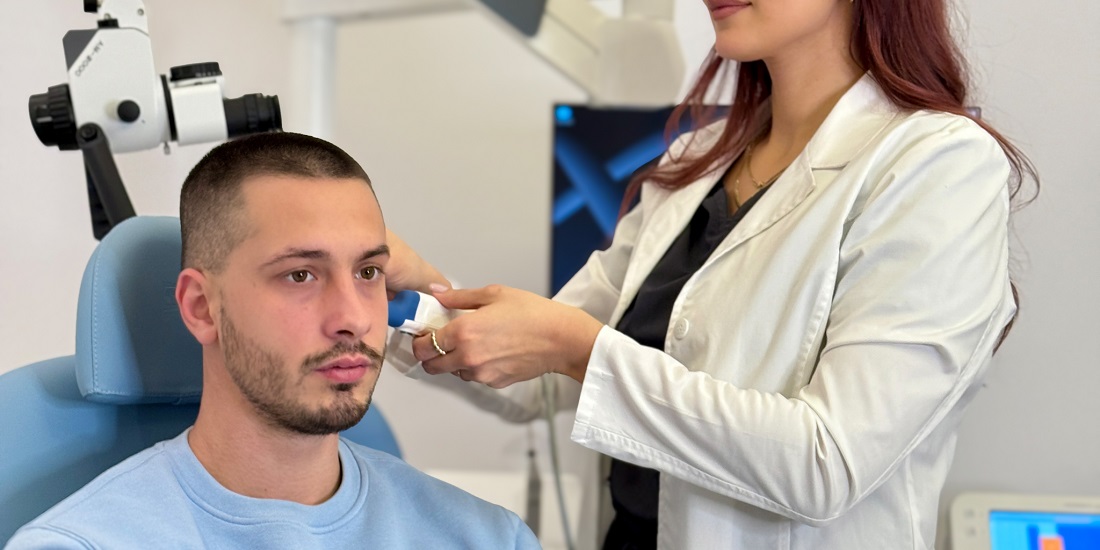
During the examination, the doctor looks at the ear canal and eardrum, listens to your history, and, if needed, performs a hearing test (audiometry) and balance assessment. Sometimes additional tests are recommended, but always in agreement with you and according to your possibilities. Many people think they should “wait a little longer.” In practice, an earlier visit to the doctor often means simpler treatment and better protection of hearing. The examination is above all support, not criticism of your habits.
How to take care of your hearing with moderation
Hearing often shows first how you tolerate alcohol, long before other signs. If after a night out you feel ringing, pressure, blockage, or unsteady walking, your body is warning you. You can reduce the impact of alcohol on ear function with a few simple habits. Water before, during, and after drinking, short breaks from noise, and a quieter way home already make a difference. It is useful to pay attention to how much you drank and which symptoms appear the next day. That way you can more easily find a level that suits you and does not strain your hearing. If the problems last longer, become stronger, or keep repeating, it is wise to talk to an ENT doctor.