
How to read labels: Alcohol, fragrance and preservatives in creams
 +381 64 4184 444
Skin deserves attention, just like the rest of the body. When you choose a cream, you do not look only at the packaging. You also look at how it will affect your face, neck and body, and that is why it is necessary to read labels carefully. On that small space are the decisions you make every day. You see whether the cream contains more alcohol, fragrance or milder ingredients. In this way, you connect the product with what your skin already shows. Many people today want calmer skin and a clearer routine. They do not seek a perfect complexion, but fewer surprises after application. When you take a minute for the label, you make a choice with more confidence. You slowly learn your own rhythm, your skin type and your limits.
Basic rules: Where the INCI is and what the list looks like
When you choose the right face cream, first look for the small print. That is usually where the ingredient list is, most often on the back of the box or tube, while the front shows the product name and slogans. The INCI list always shows individual ingredients, arranged from the highest to the lowest concentration. The first few items make up the main part of the formula and have the greatest impact on how your skin will react.

Lower on the list are ingredients present in smaller amounts, and the part below one percent can be listed in any order by the manufacturer. This often includes fragrance, preservatives and plant extracts. That is why it helps to read labels from start to finish, instead of fixating on a single word that scares you. Over time, you will more easily connect what you see on the packaging with what you feel on your skin.
Marketing messages on the packaging and what they really mean
No matter how nice the packaging looks, the real meaning is in the fine print.
- The label “dermatologically tested” means that specialists have monitored the skin’s reactions to the product, but it does not guarantee that no one will react.
- The claim “hypoallergenic” usually indicates a formula with a lower likelihood of allergy, but the risk is never zero.
- When you see “for sensitive skin”, you expect less fragrance, colorants and other common triggers, yet it still makes sense to check the ingredients, especially if you have rosacea or eczema.
- The terms “natural” and “organic” point to a higher share of ingredients of natural origin or controlled organic production, but they do not rule out irritation.
- The difference between “fragrance free” and “unscented” also confuses many people: the first usually means no added fragrance blend, while the second may contain ingredients that only mask the smell.
This is why it helps to learn to read labels and to treat marketing messages as a starting point, not the final information.
Alcohol in creams: How to recognize and assess it
Alcohol on the label often causes confusion, because not all types leave the same “signature” on the skin.
- One group are the so-called “dry” alcohols, such as Alcohol denat. or ethanol. They evaporate quickly, but along the way they can break down lipids in the surface layer and thus dry out, tighten and increase stinging, especially if the skin is already sensitive or has a compromised barrier.
- The other group are fatty alcohols, for example cetyl or stearyl. They belong to lipids, give the cream richness and help keep moisture in the surface layers. Such alcohols usually do not dry the skin, but contribute to softness and the stability of the emulsion.
When you want less irritation, it helps to read labels and check whether “dry” alcohol appears high in the INCI list, especially in products for the face and eye area. If it is listed lower in the formula or fatty alcohols predominate, the risk of dryness is lower.
Fragrance and scents: How much they affect sensitive skin
The scent of a cream feels pleasant, but the skin often experiences it differently than the nose. On the label, it usually hides behind the word “Parfum” or “Fragrance,” and sometimes behind the names of individual essential oils. These oils are natural, but very concentrated, and on sensitive skin they can easily trigger redness, itching or contact dermatitis.
If you include active ingredients like acids or retinol in your skin care, fragrance can further increase stinging and dryness, because the barrier is already working under strain. Still, perfume does not affect everyone in the same way: some tolerate it without problems, while others react even to small amounts. If you want calmer skin, your goal can be to read labels and choose products without added fragrance blends.
Preservatives: Safe use, shelf life and myths
Creams contain water, oils and nourishing ingredients that feel good on the skin, but they also suit microorganisms. That is why the formula includes preservatives, which prevent the growth of bacteria, fungi and mold and help the product stay safe under real-life conditions of use, outside the fridge. Packaging plays a major role here: with jars we constantly introduce small amounts of microbes with our fingers and the air, while tubes and pump bottles usually protect the contents better, because they are opened less often and the product itself is touched less.
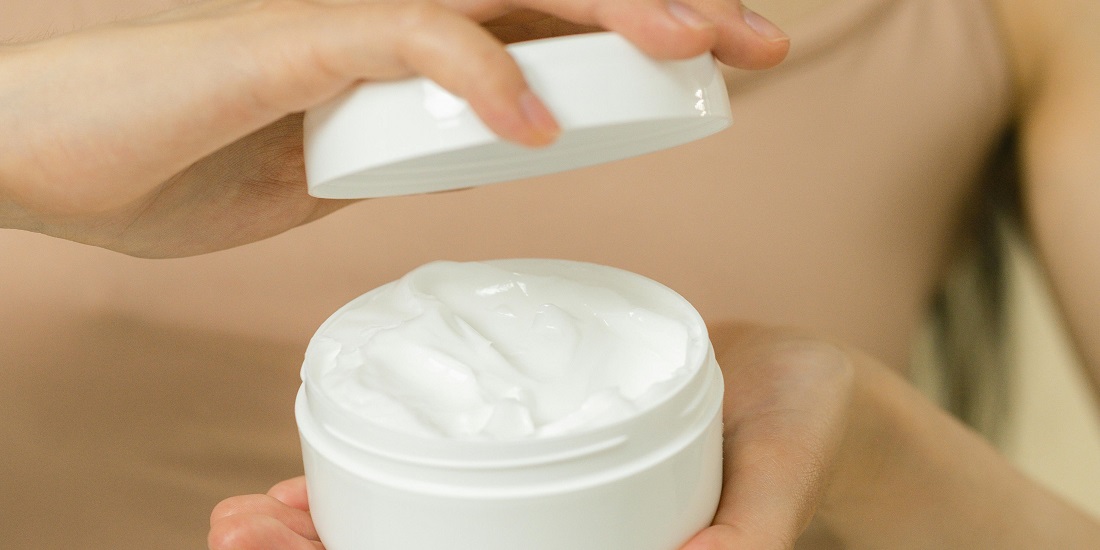
On the packaging you often see a small open jar symbol with 6M, 12M or 24M. This shows how many months after opening the cream remains stable and intended for use, provided you keep it closed, at a moderate temperature and away from sunlight. If it is constantly exposed to heat, left open, or you handle the cap with dirty hands, the product can spoil even before the indicated period.
Parabens, phenoxyethanol and other “controversial” preservatives
Parabens are a group of preservatives that prevent the growth of bacteria and fungi in creams. The fear around them arose because of studies with high doses and because they are often mentioned in the media. In the doses allowed in cosmetics, they do not cause problems for most people, but in a smaller number they can trigger contact dermatitis.
Phenoxyethanol is a common choice when a brand does not want parabens. It acts against microorganisms in the water phase of the formula, but it can also cause irritation in sensitive skin, especially around the eyes and in young children.
Some products also contain so-called formaldehyde releasers. They slowly release small amounts of formaldehyde and in this way protect the cream, but they are known as a more frequent cause of allergic dermatitis. For this reason, some people choose creams with parabens, while others prefer to look for alternatives.
How to read labels for specific skin types?
When you have sensitive or acne-prone skin, the label becomes your map. First think about how you would describe your skin:
- dry
- oily
- combination
- prone to redness
- acne-prone skin
For skin with rosacea, eczema and seborrheic dermatitis, the skin barrier reacts faster and more intensely. In that case, creams without fragrance, with little “dry” alcohol and a simpler formula often feel better.

For children, formulas without fragrance, with mild preservatives and as few active ingredients as possible are usually chosen. A child’s skin is still maturing, so strong scents, alcohol and aggressive preservatives more easily cause problems. Pregnant women and breastfeeding mothers usually pay attention to retinoids, high concentrations of acids and essential oils, especially on larger skin areas. During these periods, a shorter and calmer routine often feels better.
If you notice persistent redness, stinging, worsening acne or new spots after using a cream, that is a sign that the product does not suit you. In such a situation, it makes sense to seek advice at an aesthetic clinic in Belgrade, where a specialist can assess the condition of your skin, the composition of the products you use and suggest a routine that will realistically suit you.
How can each next choice be safer?
When you understand your skin better, choosing creams feels calmer and clearer. The habit of regularly reading labels does not have to feel like a burden. It can become a short moment for yourself before each purchase. Over time, you learn how to read labels, where to look first and which names to recognize. Then alcohol, fragrance and preservatives seem less confusing and more like information. You more easily connect what is written on the packaging with what you feel on your face. If you see that something constantly causes stinging or redness, you know what to look for less often. If you still have doubts despite your efforts, it helps to seek expert advice in person. The combination of informed reading and medical support gives the best foundation. This way, you build a routine that follows your skin instead of exhausting it.