
How to care for sensitive eyelid skin: Best creams and treatments
 +381 64 4184 444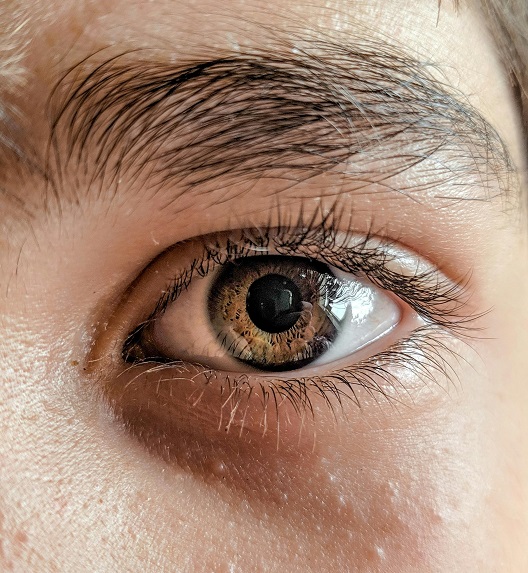
Sensitive eyelid skin is a more common problem than we might think, and although it is not considered a serious condition on its own, it can cause a lot of discomfort. This part of the face is extremely thin and delicate, which is why it often reacts to the environment. If you notice redness, itching, or swelling of the eyelids, you are not alone. These changes can be caused by many factors, from allergies and improper skincare to long-term exposure to UV rays. Fortunately, there are many ways to care for sensitive eyelid skin and reduce irritation, from healthy habits to facial treatments in a professional anti-age center.
Why are the eyelids more sensitive than other areas of the skin?
The skin on the eyelids is the thinnest on the entire body, with just a few layers, which makes it more prone to irritation. The eyelids also contain many nerve endings, so they react strongly to even small changes. Because of this, the skin of the eyelids is more easily damaged, whether due to allergic reactions, infections, or even simple rubbing of the eyes.

Since the eyelids are constantly moving, any problem in this area becomes noticeable very quickly. On top of that, the eyelids are often exposed to external factors such as:
- pollution
- dry air
- UV radiation
These factors further increase their sensitivity. The skin here has less natural protection, which means the eyelids are more prone to irritation than other parts of the body.
What causes eyelid skin irritation?
One of the most common causes of irritation on the eyelids is allergies, especially to makeup products. Cosmetic ingredients such as fragrances, parabens, or heavy metals can trigger reactions in people with more sensitive skin. That is why it is important to read labels carefully and choose products labeled as hypoallergenic, especially when it comes to the delicate eyelid area.
The eyelids are also often exposed to sunlight, which can cause burns and skin damage. Without proper protection, UV radiation can speed up the aging of the eyelid skin and lead to inflammation. The sensitivity of the eyelid skin can also worsen if you are under stress or have habits that accelerate skin aging. For example, dehydration can make the eyelids dry, which leads to itching and discomfort. Frequent rubbing of the eyes can further irritate the eyelid skin and create even bigger problems.
How to properly care for sensitive eyelids?
If you have sensitive eyelids, hydration is key. The skin on the eyelids needs regular moisture to stay elastic. Light, hydrating products are recommended, as they don’t weigh the skin down but keep it fresh and moisturized. It’s also important to choose gentle formulas without harsh chemicals.
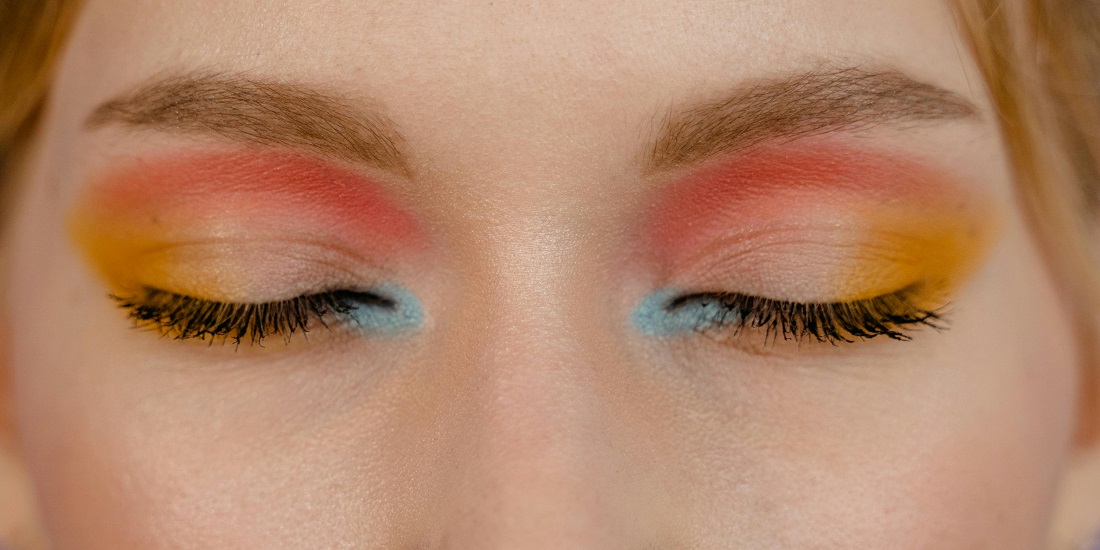
If you use makeup often, avoid products that contain strong fragrance or alcohol, as they can cause extra irritation. Have you ever noticed your eyelids turning red or stinging after wearing eyeliner or mascara? That can be a sign that the product is not right for you. It’s better to use makeup specially designed for the sensitive eye area, and products labeled “hypoallergenic” are an excellent choice.
Sun protection
Everyone knows how important it is to use sunscreen, but the skin on the eyelids is especially vulnerable. Because it is so thin, the eyelid area can react quickly to UV radiation. If you want to avoid dryness and sensitivity, protect your eyelids every day, even when it is cloudy. Creams with SPF can significantly reduce the risk of irritation and sunburn. So whether you spend the day at the beach or just walking in daylight, SPF on the eyelids is a must.
Natural treatments for eyelid skin
Natural treatments can help reduce irritation and soothe the skin. Some natural oils and plant extracts have calming and moisturizing effects on sensitive eyelid skin.
- For example, lavender oil is known for its soothing properties, so it can help with redness and swelling.
- Aloe vera gel is also a great choice for reducing inflammation and hydrating the skin.
- Chamomile, often used in herbal treatments, can calm the skin and support its regeneration.
- If your eyelids feel irritated, a cold compress can reduce swelling and relieve itching.
What should you avoid?
Avoiding certain habits and products can help reduce irritation.
- For example, aggressive facial treatments or heavy cosmetic products can worsen the condition of the eyelids.
- Frequent rubbing of the eyes is another factor that increases irritation and raises the risk of infection.
- If you have sensitive skin, avoid too much makeup, especially heavy formulas that are hard to remove.
- Keep in mind that the eyelids need special care and are very delicate, so you should not use products that are not specifically made for this area.
The role of a healthy lifestyle
Your lifestyle has a strong impact on skin health, including the eyelids.
- Healthy skin starts with food, so a skin-friendly diet rich in vitamins, especially vitamins A, C, and E, helps maintain healthy skin.
- Good sleep is also crucial for skin renewal, including the skin of the eyelids.
- Lowering stress levels has a positive effect on the skin, because stress can cause or worsen many skin problems.
- Do not forget about water intake – proper hydration helps the skin stay moist and elastic.
Professional care and treatments
If home care does not help, you may need to seek professional support. When irritation does not go away, a specialist can recommend suitable treatments. Blepharoplasty is an eyelid surgery that can help if the eyelids have become droopy or if you have excess skin. This procedure removes the extra skin and restores the eyelids to a more natural position, improving both their appearance and function.

In some cases, treatment may also include corticosteroid creams or laser procedures to reduce inflammation and bring the skin back into balance.
Everything you need to know about sensitive eyelid skin in one place!
When it comes to sensitive eyelid skin, it requires a clear understanding of the causes and the right care routine. Regular hydration, sun protection, and using suitable products can greatly improve the condition of the eyelid skin. Paying attention to environmental factors, as well as healthy habits like good sleep and a balanced diet, also helps the skin stay in good shape. If the symptoms do not go away, specialists are there to help, and options such as blepharoplasty can be a solution in more serious cases. The eyelids deserve special attention because they are very sensitive and prone to many irritations.