
How does skin hydration affect makeup longevity?
 +381 64 4184 444
Well-cared-for skin often changes how we perceive our face throughout the day. When the surface of the face is dry or feels tight, makeup appears heavier and more noticeable. When the skin is well hydrated, products sit more smoothly and the complexion looks fresher. In that case, even simple everyday makeup looks neat for much longer without constant touch-ups. How does skin hydration affect makeup longevity? The reasons for this are linked to daily habits and caring for health. Small adjustments to the routine, together with consultations at a professional anti aging center, often lead to a softer complexion and less visible imperfections.A smaller amount of each product often becomes sufficient. It also becomes easier to accept one’s own reflection, even when makeup remains minimal.
Healthy skin and makeup as part of health care
Skin is not only what we see in the mirror, but also an organ that actively protects:
- protects internal organs
- regulates temperature
- helps defend against microbes
When the skin barrier is stable, water stays in the surface layers. The face then looks softer, and makeup sits more evenly.
When we do not get enough sleep, the skin looks more tired and paler. At the same time, cell renewal slows down and imperfections become more visible. Long-term stress triggers hormones that increase inflammation, sebum production, and moisture loss. In these situations, acne, skin peeling, or a feeling of tightness appear more often.
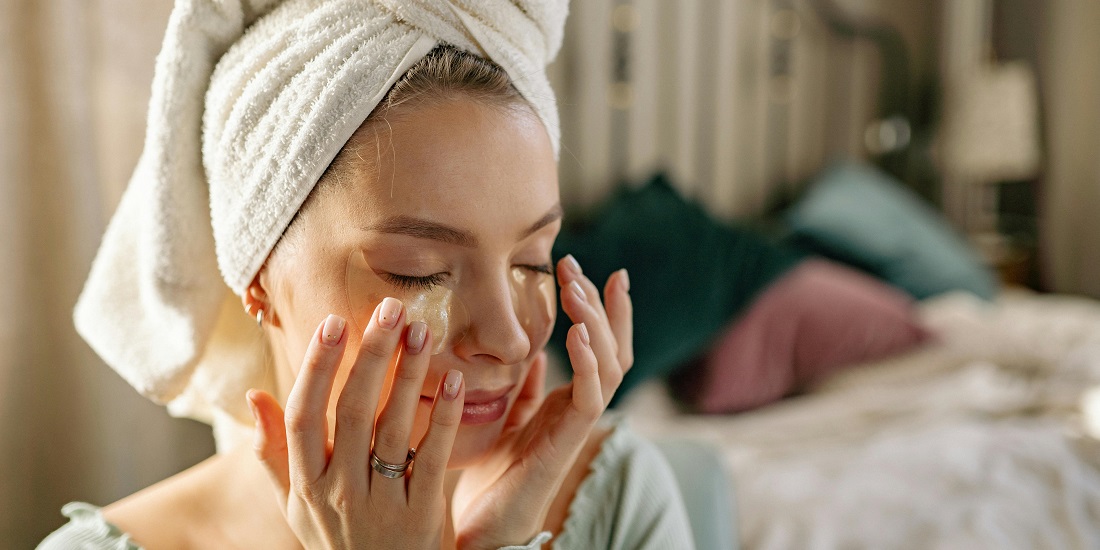
Nutrition also makes a difference from day to day. More vegetables, fruit, and healthy fats usually go hand in hand with calmer skin. Frequent fast meals, lots of sugar, and processed food go along with an energy drop. The face then more easily loses its freshness, and makeup starts to look “tired” more quickly. When habits move in a healthier direction, the skin becomes a reliable base for every next step.
Skin hydration basics: From the inside and the outside
Dry and dehydrated skin often look similar, but the problem is not the same.
- With dry skin, oil and protective lipids are lacking, so the surface easily cracks and stings.
- Dehydrated skin lacks water, so even an oily face can look that way.
When the protective barrier works, water stays in the surface layers and the skin feels soft. When the barrier is damaged, moisture escapes faster, the complexion looks tired, and lines become more pronounced. Makeup then more easily emphasizes every uneven area and looks neat for a shorter time. The water we drink helps the body and the skin, but does not solve everything on its own. This is why a combination helps:
- regular fluid intake
- a gentle cleanser
- a hydrating serum
- a face cream with lipids for your face
In such conditions, signs that your skin lacks hydration visibly show in how long makeup lasts during the day.
How does the skin hydration affect makeup longevity throughout the day?
On dehydrated skin, foundation rarely looks good all day. After a few hours, dry areas and fine lines become more visible. The texture looks less even, and the face appears tired and tight.
On well-hydrated skin, the same foundation sits very differently. The surface is softer, the epidermis contains more water, and everything looks more even. In this case, skin hydration affects makeup longevity in a very visible way. The difference is clear in an office with dry air or heating. Similar changes appear on warm days when we sweat more. Skin with a stable barrier holds water better and keeps foundation even. As a result, fewer touch-ups are often needed, and the face looks neater throughout the day.
Skin type and makeup longevity: Dry, oily, and combination
Skin type strongly affects how makeup looks throughout the day.
- With dry skin, less sebum is produced and protection is weaker. This kind of skin easily cracks, flakes, and feels tight. It benefits from a richer cream under a softer foundation applied in a thin layer.
- Oily skin produces more sebum but often loses water at the same time. In that case, light gel textures with hydrating ingredients work well. On top of them, it helps to use foundation for oily skin without a heavy finish. It is best to mattify only the areas that shine the most.
- Combination skin needs a lighter cream in the T-zone and more lipids on the cheeks. This way the face gains balance and makeup distributes more easily. Common mistakes include skipping moisturizer, using too many mattifying products, and constantly adding more foundation.
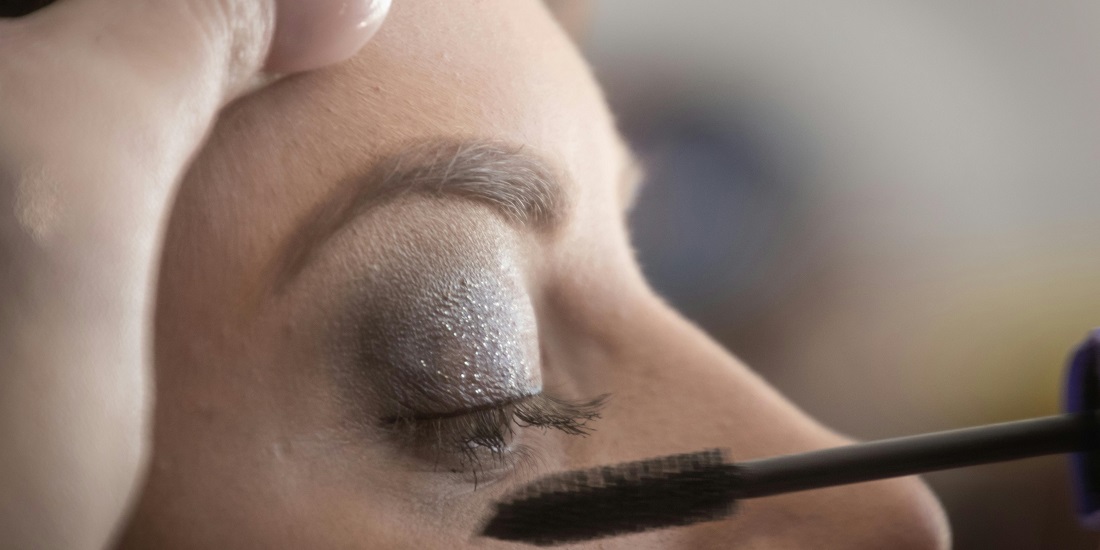
Order of morning steps from cleansing to foundation
The morning usually starts with washing the face, so the cleanser should be gentle.
- Before morning makeup, it is not helpful to use strong acids, retinol in skin care, or too many layers of active ingredients. This kind of combination more often irritates the skin and ruins the look of makeup instead of helping it. It is enough that it removes excess sebum and sweat, but does not leave the skin tight.
- After cleansing, a toner or mist feels pleasant, as it restores moisture and prepares the face for the next layers.
- Next comes a serum with hydrating ingredients, followed by a cream that helps keep water in the skin. This order helps the surface stay soft, so foundation later spreads more evenly.
- SPF is the last skincare step before makeup, because it protects cells from UV damage. It is good to leave a few minutes between the cream, sun protection, and foundation so that everything can “settle” nicely on the skin.
Choosing skincare and makeup that support hydration
In skincare, it is worth looking at ingredients, not only the label. Humectants, such as hyaluronic acid and glycerin, bind water in the surface layers of the skin. Emollients and lipids, for example plant oils and fatty acids, help keep that water in place and keep the protective barrier stable. When this works well, skin hydration affects makeup longevity and the face looks more rested.
On the other hand, high amounts of denatured alcohol, strong sulfates, and pronounced fragrances can dry out the skin. Foundation then more quickly looks powdery and lasts for a shorter time. Skin prone to dehydration responds well to hydrating foundations, softer concealers, and cream-texture blushes. A matte finish looks neat but more easily highlights lines on dry skin. A satin, “softer” finish follows the skin’s slight moisture better.
Problem areas and the “cakey” foundation effect
A “cakey” foundation is often a sign that the skin needs different preparation. When the face is dry, rough, or flaky, every uneven area becomes visible. Liquid products then cling to the dry parts and look grainy. A similar effect appears when too much foundation is applied at once. Layer after layer builds up, so makeup separates more quickly during the day.
The folds around the nose, lips, and eyes are constantly in motion. That is why foundation easily gathers there and sinks into fine lines. The skin under the eyes is thinner, so concealer needs a good hydrating cream and a gentle layer. The nose becomes oily faster because of more sebaceous glands, so makeup slips off more easily. Gentle exfoliants, a good moisturizing cream, and thin, carefully patted layers help. At the end, a fine loose powder or a light setting spray can be added. This way, the face looks neater and calmer throughout the day.
Evening routine that prepares the skin for morning makeup
Evening care often changes how the face looks the next morning. After removing makeup, a gentle cleanser that does not tighten the skin feels pleasant. Then a hydrating serum and a slightly richer night cream can follow. During sleep, the skin renews itself faster, so this combination helps the barrier calm down and hold water better.

In the morning, the complexion then looks calmer, and makeup settles more easily and stays neat longer. A gentle exfoliation makes sense once or twice a week, when the skin looks rough or slightly dull. A small amount of product and gentle application is enough, followed by good hydration.
How can makeup last through long days and special occasions?
Days that last more than ten hours require a slightly different rhythm. The evening before such a day, a calm routine feels good:
- gentle cleansing
- hydrating serum
- a richer night cream
During sleep, the skin renews faster and holds water more easily. In the morning, it is better to keep everything light and neat, without many layers. Apply moisturizer and SPF in a thin layer, with a short waiting time. It is better to apply foundation as a thin film and then add correction only where needed. Setting should be gentle; a small amount of loose or compact powder is enough. In your bag, it can be useful to have:
- blotting papers
- thermal or hydrating mist
- lip balm
This way, you can easily refresh your face during the day without new heavy layers. The same approach works well for work, celebrations, weddings, and photo sessions.
More beautiful makeup starts with skincare
So, how does skin hydration affect makeup longevity? In the end, it all comes down to a gentle, repeatable routine that suits you. When the skin receives enough water and lipids, it stays calmer throughout the day. Then it becomes clear how much skin hydration affects makeup longevity. Foundation does not emphasize lines, concealer does not crack, and the complexion looks more rested. You do not need to use many products, only to choose them carefully. Small improvements in sleep, nutrition, and skincare bring stable results. Over time, you get a feel for what truly suits your skin.