
What happens to the face when hyaluronic acid starts to fade?
 +381 64 4184 444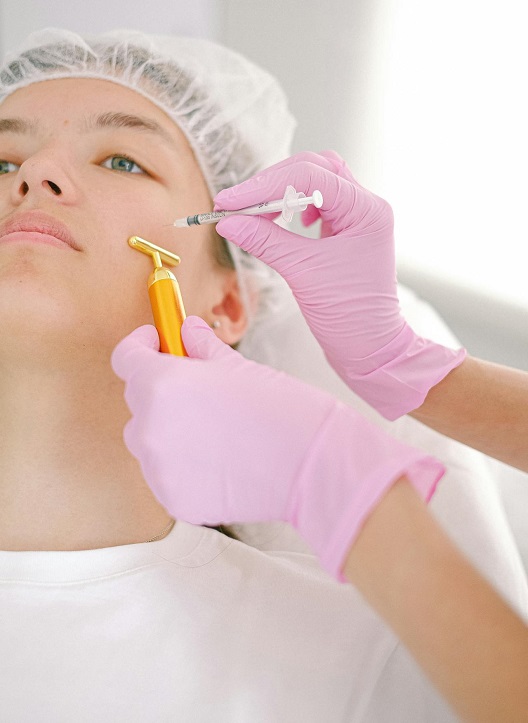
Hyaluronic fillers are popular facial treatments that help restore facial volume, reduce wrinkles, and improve contours. This treatment is based on hyaluronic acid, a natural substance found in our body that has the ability to retain moisture. The effect typically lasts from 6 to 12 months, but it depends on the type of filler and your metabolism. When hyaluronic acid starts to fade, it is important to monitor the changes on your face. The changes can be gradual and subtle, but it is still important to understand how your face is reacting and when the right time is to undergo the treatment again.
What causes hyaluronon to fade?
The breakdown of hyaluronic fillers is a natural process that occurs in our body. Hyaluronic acid, the main component of the fillers, slowly breaks down through enzymes produced by our body. The rate of this breakdown depends on several factors, including your metabolism, skin type, and lifestyle habits. For example, people with a faster metabolism may notice that the fillers fade more quickly, while those with a slower metabolism may retain the effect for a longer period.
Does my skin type affect the accelerated breakdown of fillers?
You will notice that your skin gradually returns to its natural appearance, but with less volume and contours that were once filled. Although the fading of hyaluron can happen gradually, it’s important to monitor these changes as they can signal that it’s time for another treatment. Your skin type plays a significant role:
- Dry skin tends to lose volume faster because it retains less moisture, which can lead to a quicker breakdown of hyaluronic fillers.
- Oily skin, on the other hand, can prolong the effects of fillers as the higher production of sebum helps preserve hydration and volume.
- Combination skin, which varies in texture across different areas of the face, may present specific challenges. For example, parts like the T-zone may experience faster breakdown, while the cheeks can retain volume for a longer time.n.
People with dry skin may notice that the effect fades faster, while oily skin may preserve volume longer. While many think the face looks “loose,” it’s actually just the natural process of hyaluron fading. It’s important to track these changes, as they may be signals of when it’s time for an additional treatment.

Visible changes on the face when hyaluronon begins to fade
When hyaluron begins to fade, the face may show several visible changes:
- The return of wrinkles and lines that were previously filled can become noticeable, and fine lines that were smooth before become visible again.
- The contours of the face, especially in the areas around the lips and cheekbones, may change as volume and tightness are lost.
- Volume loss, changes in facial contours, and dry skin often accompany this process, which can cause the skin to look less filled and healthy.
- In some cases, asymmetry can become noticeable as areas that were filled with hyaluron may fade faster than others.
Mistakes to avoid
There are several common mistakes that should be avoided as they can complicate the process and cause complications. Over-frequent touch-ups without proper assessment can lead to unnatural results, such as excessive volume or unrealistic contours.
Combining treatments like botox and fillers without consulting an expert can lead to unforeseen effects, such as asymmetry or excessive skin tightening.
What problems can arise when hyaluronic acid starts to fade?
Lack of attention when hyaluron loosens can increase the risk of complications, including infections and hematomas. Potential complications during the fading of hyaluron also include:
- Malar edema is swelling that appears on the cheeks, often as a result of filler treatments, caused by inflammation and the body’s reaction to the substances in the filler. This swelling usually disappears in a few days but can be uncomfortable.
- Reactivation of the herpes virus can occur in individuals who have previously had herpes. Aesthetic treatments can trigger a latent virus, causing the appearance of sores or blisters on the lips or face.
- Late inflammatory nodules are hard lumps or bumps. They can form several weeks after filler application, caused by inflammation around the filler. They usually resolve over time but may require medical intervention.
- Vascular complications occur when the filler enters blood vessels, which can cause damage or blockage of the blood vessels. This is a serious, but rare, complication that can lead to bruising, scarring, or even tissue damage.
Ignoring the signals that the face sends, such as unnatural swelling or redness, can further worsen the condition. Scheduling a new treatment prematurely without necessity can also lead to excessive volume increase and skin damage. It’s important to carefully monitor changes on the face and consult with an expert before deciding on any additional treatments.

Steps you can take when hyaluronic acid starts to fade
When hyaluron starts to fade, it is important to carefully assess when the right time is for a new application. It is generally advised to wait 6 to 12 months between treatments, but this period depends on how your skin reacts to the fillers. First, you can consider natural skin regeneration:
- Hydration
- Supplements such as vitamin C and E
- A healthy diet rich in antioxidants
What if additional facial treatments are needed?
Alternative treatments can further improve the skin’s structure and stimulate collagen production. Some of the treatments you can consider are:
Long-term effects of hyaluron fading are usually not drastic, but there may be a reduction in volume and skin elasticity, which means it is important to keep your skin hydrated and protected. In addition to hyaluronic fillers, there are other types of fillers you may consider:
- Polycaprolactone (PCL) is a biocompatible filler that stimulates collagen production and can last longer than hyaluron, typically between 12 and 24 months. PCL fillers break down gradually, maintaining a long-term effect in improving facial volume and contours.
- Polylactic acid (PLLA) stimulates collagen production, and the effect lasts up to 2 years. This type of filler is ideal for patients who want long-term results, as the results gradually become more visible and last longer.
Compared to hyaluron, which provides immediate results, PCL and PLLA fillers take more time to provide full effect, but they can offer a more natural and long-lasting result.

How to decide on the next step when hyaluronic acid starts to fade?
When deciding whether a new aesthetic treatment is necessary, it’s advised to consider your lifestyle habits. The following factors can significantly impact the breakdown of hyaluron:
- Diet: An unhealthy diet that includes processed foods you should avoid can slow down skin regeneration and accelerate hyaluron breakdown.
- Smoking: Smoking reduces blood flow to the skin, which can negatively affect regeneration and speed up hyaluron breakdown, making the skin dry and less elastic.
- Alcohol consumption: Alcohol dehydrates the skin, reduces collagen production, and can speed up hyaluron breakdown, leading to loss of volume and skin elasticity.
- Sun exposure: Excessive UV radiation exposure can damage collagen and elastin in the skin, making it more prone to faster hyaluron breakdown and volume loss..
Before deciding to undergo a new treatment, consult with an aesthetic surgery expert who will assess the condition of your skin and recommend the right procedure to avoid the “overfilled” look. A natural appearance is achieved through gradual filler application, with careful planning and expert consultation.
Follow the signals of your face and adhere to expert advice
When hyaluronic acid starts to fade, it’s important not to rush into decisions. Observe the changes on your face and give yourself enough time to assess how your skin reacts. Treatments can be beneficial, but a healthy approach is fundamental — maintaining hydration and caring for your skin can work wonders. The face changes naturally over time, and this doesn’t have to be negative, as the skin has the ability to adapt and regenerate. Decisions about new treatments should be informed and guided by expert advice to achieve the best results without unnecessary risks.