
Facial massage: Step by step to better circulation
 +381 64 4184 444
Many people look for a way for their skin to gain more warmth and softness, so facial massage draws more and more attention. The body responds quickly to gentle movements and this brings a pleasant feeling. The face relaxes when the fingers follow the natural lines of the skin. Circulation then works faster and the skin looks fresher. This kind of ritual feels good both in the morning and in the evening. Some people prefer short movements right after waking up. Others enjoy a slower rhythm before bedtime. Facial massage can therefore easily become a small moment of peace during the day. Many experience it as a gentle way to dedicate time to their face. That brief touch brings warmth that suits every pace of life.
How to prepare for your first facial massage at home
Preparing the skin creates a good base for every movement. This is why people first choose a light oil or gel that suits their skin type.
- Dry skin responds better to richer oils because they keep warmth and prevent moisture loss.
- Oily skin reacts more easily to light gels or oils that glide faster and do not burden the pores. A short test on a small area of skin helps you see whether redness or tingling appears.
- If the skin is acne-prone, then non-comedogenic formulas should be chosen, the causes of acne addressed, and massage avoided during active inflammation.
- Sensitive skin responds better to simple formulas without fragrance.
Before the massage, it is important to place a mirror so that the light illuminates the entire face evenly. This makes it easier to follow each movement and prevents sudden motions that may irritate the skin.
Clean your face before the massage
A clean face responds better to every movement, which is why preparation always begins with washing. The skin reacts faster when certain layers removed. These include:
- impurities
- sweat
- makeup
- SPF
This leaves the skin surface more even and ready to receive each touch. A gentle foam or gel is a good choice because it removes excess sebum without damaging the skin’s protective barrier. These products help retain moisture and reduce the risk of tightness or tingling during the massage.
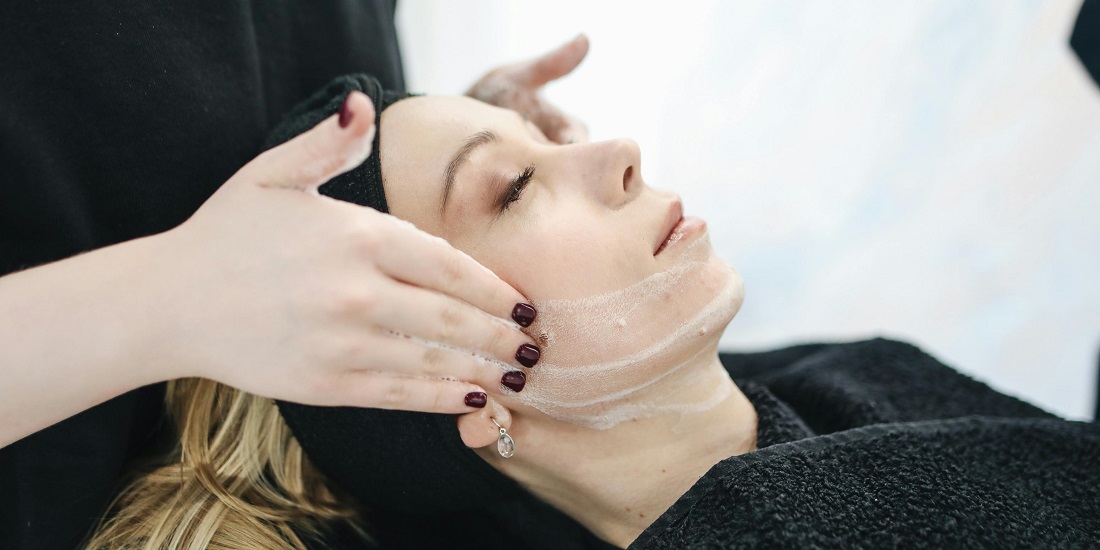
Makeup and SPF are removed in two steps, since oily and waterproof formulas come off better with mild oil cleansers. After washing, the skin should feel soft and free of product residue, because such a surface allows more even pressure. Preparation usually takes a few minutes, but it is important to work gently so the skin stays calm and ready for the next movements.
Activate circulation with gentle movements
Gentle movements increase warmth in the cheeks because they promote faster blood flow through the superficial blood vessels. Circulation activates when your fingers follow the natural lines of the face, so you move from the center of the face outward, because this direction follows the way blood returns through the subcutaneous tissue. Light pressure is enough to trigger a response, since the skin does not need great force to signal the blood vessels to dilate. Warmth usually appears after only a few repetitions because the body reacts quickly to the rhythm of touch. The right direction is the one that follows:
- from the center of the face outward, toward the temples and ears
- from the cheeks toward the jawline
- the area under the eye toward the temple
- from the forehead toward the temples or toward the bridge of the nose and then toward the ears
- from the neck toward the lymph nodes under the jaw and behind the ears
This is the direction in which lymph naturally drains and in which the facial muscles more easily release tension. Many also notice a slight fullness in the cheeks when they perform the movements slowly and correctly. A well-executed stroke does not cause discomfort but leaves a feeling of softness and natural warmth. It is enough to repeat the movements several times in each part of the face so that circulation stays even and the skin maintains pleasant elasticity during the next steps.
Focus on points that give the fastest results
Some areas of the face respond more quickly because the skin there lies closer to the muscles and superficial blood vessels.
- The area around the eyes is sensitive, so gentle movements help reduce excess fluid that collects in the thin subcutaneous tissue. A short outward pressure stimulates lymph flow and reduces morning puffiness.
- The cheekbones need slightly firmer, yet still gentle pressure, because they connect to muscles that often carry tension throughout the day. When you follow their natural lines, the face gains a more defined shape and relaxes more easily.
- The forehead also responds to smooth movements that follow the direction of the muscles, so tension slowly decreases and the skin appears softer. Many people feel relief around the lower jaw as well, because massage relaxes the muscles involved in jaw clenching. This area often holds tension and may contribute to headaches, so massage can sometimes ease the pressure that builds up during the day.
Facial massage for lymphatic drainage
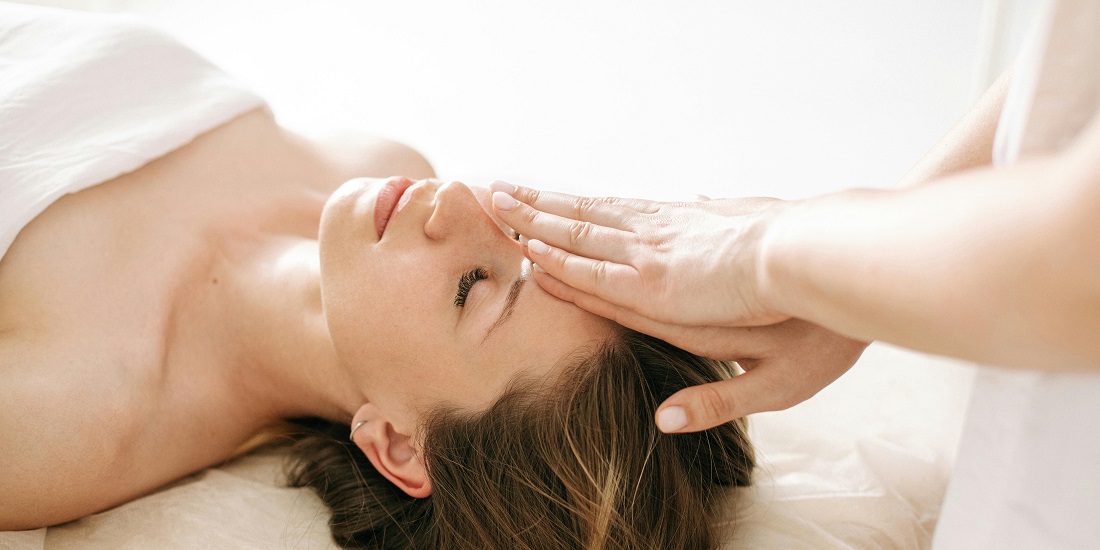
Lymphatic drainage uses very gentle movements that follow the natural flow of lymph toward the lymph nodes under the jaw and behind the ears. Lymphatic vessels lie more superficially than blood vessels, which is why light strokes more effectively move the fluid that collects in the subcutaneous space.
These movements differ from classic circulation massage because they do not use stronger pressure and are not performed with circular motions. Drainage strokes follow the direction of fluid flow and therefore create a feeling of lightness after only a few minutes. Many people notice reduced morning puffiness, especially around the eyes, because lymph moves more quickly toward the lymph nodes. Not all dark circles are the same, and they sometimes appear softer and brighter when the technique is done slowly and without pulling the skin. This method should be avoided when there is:
- active skin inflammation
- a more severe form of acne
- a painful red lesion
The skin reacts more quickly in these situations and may become sensitive. The approach remains gentle and calm so the lymphatic system can work in its natural rhythm.
Facial massage for reducing double chin and swelling
The area under the chin often retains fluid because lymph flow moves more slowly there, so gentle strokes from the center of the neck toward the jawline can support a clearer profile and reduce the loss of jaw definition. When the fingers follow the muscles that support the lower jaw, the skin gains slight support because tension in those muscles decreases. These movements do not change fat tissue, but they help fluid move more quickly, which makes the face look more rested.
Changes are usually noticed first in the morning, as the skin responds better to movements that follow the natural direction of fluid flow. It is important to avoid applying too much pressure, because it can slow circulation and cause redness that does not give the desired look. Mistakes also appear when the movements are done too quickly or in the wrong direction. This is why the massage is performed calmly, allowing the skin and muscles to respond together with a natural sense of lightness.
Finishing strokes for calming and caring for the skin
Finishing strokes always go more slowly because they give the skin a moment to settle after working on the superficial muscles and blood vessels. When the fingers move gently and evenly, the skin gets a chance to reduce the warmth that has built up during the massage. This rhythm helps reduce the redness that sometimes appears, as the blood vessels gradually return to a calmer tone.
After these movements, the skin absorbs light serums and creams for your face more effectively, because massage increases local blood flow and makes the surface softer and more receptive to active ingredients. This is why many people use gentle products without strong fragrances or irritating components right after the massage. If the skin feels comfortable and does not seem overheated, the routine may end with makeup or getting ready for sleep, depending on the time of day. A warm and calm finish gives the skin a sense of balance and prepares it for the next steps in the routine.
When facial massage gives the best results
Massage provides more stable results when performed regularly, because the skin and superficial muscles respond better to the repetition of the same movements. Most people notice early changes when they massage several times a week, as circulation becomes more active and the skin feels warmer and softer. Gentle massage may also support elasticity because the movements improve blood flow in the subcutaneous tissue that nourishes the skin. This does not change the structure of wrinkles, but it can give the skin a softer and more rested appearance.
Daily rhythm plays an important role as well, and the body responds better when it gets enough sleep and water. Hydration keeps the cells fuller, and a steady routine gives the skin a more consistent pattern that improves how it responds to massage. When all of this comes together, the face retains freshness more easily and gradually develops a soft glow that many people seek with this technique. Many choose to seek extra support at a professional anti age center, where experts monitor the skin and recommend the best approach. When expert guidance is combined with consistent care and proper facial massage, the results become more noticeable and longer lasting.

When the skin needs stronger hydration or more elasticity than manual work can provide, professional treatments such as facial biorevitalization are recommended. This treatment works directly in the deeper layers of the skin, so it can enhance the effects of massage and help the skin maintain a fuller and more rested appearance for longer. Biorevitalization belongs to gentle, non-surgical anti-age treatments that:
- improve skin hydration
- strengthen the surface barrier
- stimulate elasticity
- contribute to a more even and rested appearance
The most common mistakes that slow progress
Mistakes appear when too much product is used or when the massage is performed on insufficiently cleansed skin, which is why preparation always requires a patient and gentle approach. Some movements can slow progress if done without attention.
- Too much pressure often causes sudden redness because superficial blood vessels react by expanding quickly.
- When movements follow the wrong direction, circulation may weaken because blood and lymph do not move along their natural pathways.
- Skipping preparation and cleansing is a common mistake. Impurities make gliding more difficult and may irritate the skin after prolonged rubbing.
- Many people also use too much product, making the skin overly slippery, which causes the fingers to lose control over the pressure.
- Massage is not suitable during an active dermatological issue, because the skin reacts more quickly and may become sensitive, and inflamed lesions cannot tolerate mechanical pressure.
A gentle and thoughtful approach provides a better feeling during the movements and allows the skin to maintain a steady rhythm in its daily response..
How to make facial massage part of your routine
When all steps come together in one calm rhythm, facial massage easily becomes a pleasant part of the day. The simplest way to begin is to set aside a few minutes at a time when there is no rush. This makes it easier to follow the movements and observe how the skin responds over the weeks. Small changes first appear in warmth, softness, and the ease with which the muscles relax. When the routine becomes regular, the face gradually develops a more even and rested appearance. Some people prefer the morning because they want freshness before their daily tasks. Others enjoy evening movements that bring calm before sleep. The feeling develops gradually and does not require much time. That is why this ritual fits easily into different habits and schedules