
Dry and chapped lips: What really helps?
 +381 64 4184 444
The lips are among the most sensitive parts of the skin. They easily lose moisture and become dry or chapped, especially when the weather changes. Cold air, wind, and sun exposure quickly dry out the skin’s surface, while moving from warm to cold environments makes the effect stronger. In addition to external causes, internal factors also affect dry and chapped lips. When the body lacks enough water, it prioritizes vital organs, leaving the skin—including the lips—without proper hydration. Chapped lips can also indicate a lack of B vitamins or minerals such as zinc, which are important for skin renewal and elasticity. Regular hydration, a balanced diet, and gentle daily care help keep lips soft, elastic, and healthy throughout the year.
Why are your lips chapped?
The skin on the lips is thin and lacks oil glands, which makes it prone to losing moisture. When it’s cold or windy outside, the lips quickly become dry because external conditions cause water to evaporate from the surface layer. Temperature changes, especially moving from heated indoor spaces to cold air, make this loss even worse. Certain everyday habits often aggravate the condition.
- Licking the lips may feel soothing at first, but it actually dries them out more because saliva evaporates and removes moisture.
- Using lip balms that contain alcohol, menthol, or artificial fragrances can also lead to greater irritation.
- Diet and general health play a major role as well.
- A lack of vitamins B2, B6, B12, or iron can slow down skin regeneration, making lips sensitive and prone to cracking.
- When the body lacks enough water, it directs moisture to vital organs, so dry lips are often a clear sign that your skin is lacking hydration.
- Smoking and stress further reduce circulation and slow the natural renewal of skin cells.
How to heal chapped lips?
When lips become chapped, the first step is restoring moisture. It’s important to drink enough water throughout the day because hydration starts from within. When the body is dehydrated, the lips are the first to show changes — they become dry, tight, and sore. That’s why it’s recommended to drink small amounts of water several times a day instead of consuming large amounts at once.

Natural ingredients can help the skin recover faster. A thin layer of honey, coconut oil, or lanolin creates a protective barrier that locks in moisture and softens the chapped surface. Honey has mild antibacterial properties, while coconut oil hydrates and soothes the stinging sensation. Petroleum jelly is not harmful, but it’s best used as an extra layer over a moisturizing product, not as the only treatment.
A simple honey and sugar scrub helps remove dry skin cells, but it should be used no more than once or twice a week. At night, before sleep, it’s recommended to apply a thicker layer of balm, as the skin naturally regenerates during rest.
Quick relief for burning and cracked lips
If your lips are already chapped and painful, apply a neutral balm without fragrance, menthol, or alcohol, preferably one containing panthenol. It soothes the skin and supports its regeneration. For extra relief, place a cold compress on your lips for a few minutes to reduce the burning sensation. These steps act as “first aid” until you start regular care.
Once the condition improves, continue applying balm daily and drink enough water to prevent your lips from becoming chapped again.
Long-term care and recovery plan for lips
For lasting lip recovery, it’s important to build a routine that protects, hydrates, and restores at the same time.
- The foundation includes daily body hydration and regular use of a balm with sun protection.
- During the day, apply the balm several times, especially after eating or exposure to wind.
- In the evening, before bedtime, use a thicker layer of a product containing panthenol.
- Once or twice a week, do a gentle scrub with honey and sugar.
- Healthy skin start with food, so a diet that supports healthy skin should include foods rich in vitamins B, E, and zinc, as these nutrients improve elasticity and aid skin renewal.
Maintaining these habits helps prevent dryness in the long term, making the lips more resistant to weather changes while keeping them soft, smooth, and naturally nourished all year round.
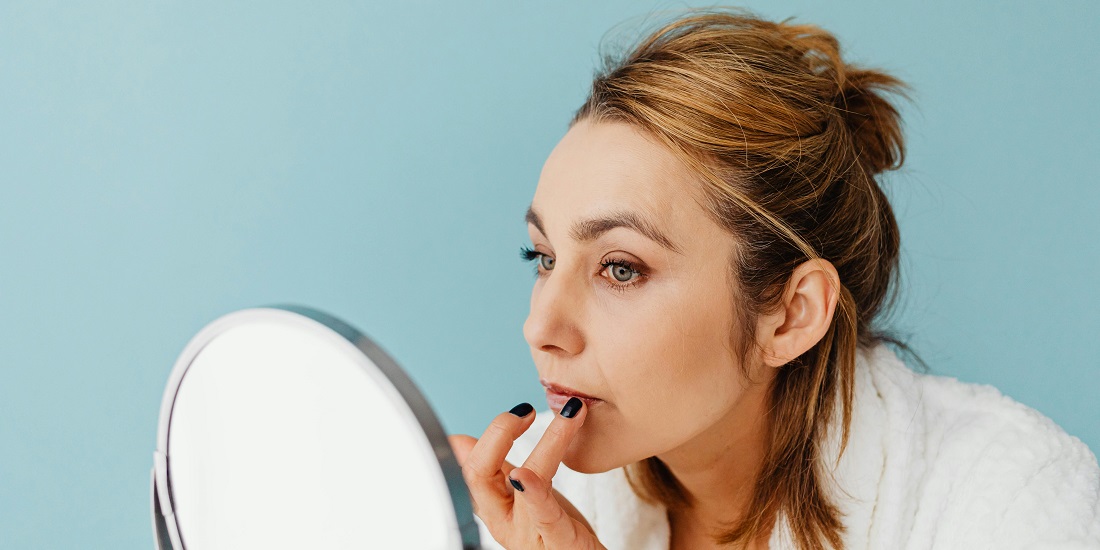
Best balms and treatments for dry and chapped lips
The best lip balm is the one that truly suits your skin. If your lips are chapped, choose products that contain:
- shea butter
- panthenol
- hyaluronic acid
- vitamins A and E
These ingredients soften, nourish, and restore the skin’s surface layer. Natural balms usually have a simple formula, while medical-grade ones include active components that aid regeneration and moisture retention. A balm with SPF protection is recommended throughout the year, as UV rays dry out the lips even in winter, not only in summer.
When a balm doesn’t seem to work, the issue often lies not in how often you use it but in its formula. Alcohol, menthol, and fragrances can cause stinging and further dryness. Switching to a fragrance-free and alcohol-free formula with panthenol or urea can make a difference. If your lips remain constantly chapped despite using balms, consult a specialist who may recommend medical products or deep hydration treatments. In cases of severe dryness or loss of elasticity, hyaluronic fillers for lips can help restore natural moisture and a healthy appearance.
Sometimes professional evaluation is necessary
At times, lips need more attention than home care can provide. Visit one of the aesthetic clinics in Belgrade if you notice that cracks don’t heal, bleeding occurs, or there is swelling or pain. These may be symptoms indicating a more serious condition.

An allergic reaction is often recognized by redness, itching, burning, or the appearance of blisters after using a new product. It differs from irritation, which usually disappears once you stop using the product. An infection can cause pus discharge, pain, and swelling in the corners of the lips — in such cases, medical evaluation is necessary.
If your lips are bleeding, a mild treatment may include applying sterile petroleum jelly or an antibiotic cream as advised by a doctor. This helps relieve pain and protects the wound from external factors while it heals. If allergic changes occur, a doctor may recommend corticosteroid ointments or tests for potential irritants.
Don’t let dry and chapped lips bother you
Dry and chapped lips don’t have to be a constant problem if you take daily care of them. Regular hydration, gentle care, and careful selection of balms can make a big difference. It’s important to notice the small signs your skin sends — burning, tightness, or dryness — as these are early indicators that your lips need extra care. During cold days, protection from wind and sun is essential, while at night, the skin needs support for natural renewal. With a bit of persistence and a proper routine, your lips can become soft, smooth, and healthy again.