
Are the results of ear surgery permanent?
 +381 64 4184 444
Many people consider ear surgery when their appearance has bothered them for years. Some want their ears to draw less attention, while others want to regain self-confidence. The appearance of more prominent ears is often noticed first in photos. Over time, a desire for a permanent change appears, along with concern. It is natural for one clear question to come up then. Are the results of ear surgery permanent? People also ask how long recovery takes, how painful it is, and whether the ears will change later. Such thoughts can create tension, but also a need for accurate information. When there is a clear understanding of the recovery process and how long the change lasts, the decision feels calmer and the sense of control becomes stronger.
What exactly does ear surgery mean, and who is it for?
Ear surgery, or otoplasty, is a surgical procedure performed on the outer ear. During the procedure, the doctor changes the position, shape, or size of the ears so the face looks more balanced, and so the patient can function more easily in everyday life. The outer ear is made of elastic cartilage covered by thin skin,so the surgeon accesses the cartilage through an incision behind the ear, reshapes it, and secures it with stitches.
- Cosmetic ear surgery targets protruding ears, very large or asymmetric ears, as well as deformities after injuries.
- Functional corrections help with congenital anomalies that make it difficult to wear glasses, a hearing aid, or protective equipment, while hearing is most often preserved..
The position of the ears can strongly affect self-confidence, so many people avoid being photographed, tying their hair back, or social situations. The procedure is most often recommended for children after the age of five and for adults who have had difficulties for a long time. A doctor will suggest the procedure when the anatomical findings and symptoms match, and will advise against it if expectations are unrealistic or overall health is not stable.
Are the results of ear surgery permanent or changeable?
When we think about how long results last after ear surgery, we mean how long the ear keeps its new shape. During the healing period, scar tissue forms and further stabilizes the ear. Because of that, the achieved result usually remains for many years. The result is usually more stable when the cartilage is elastic, but still soft enough to shape.
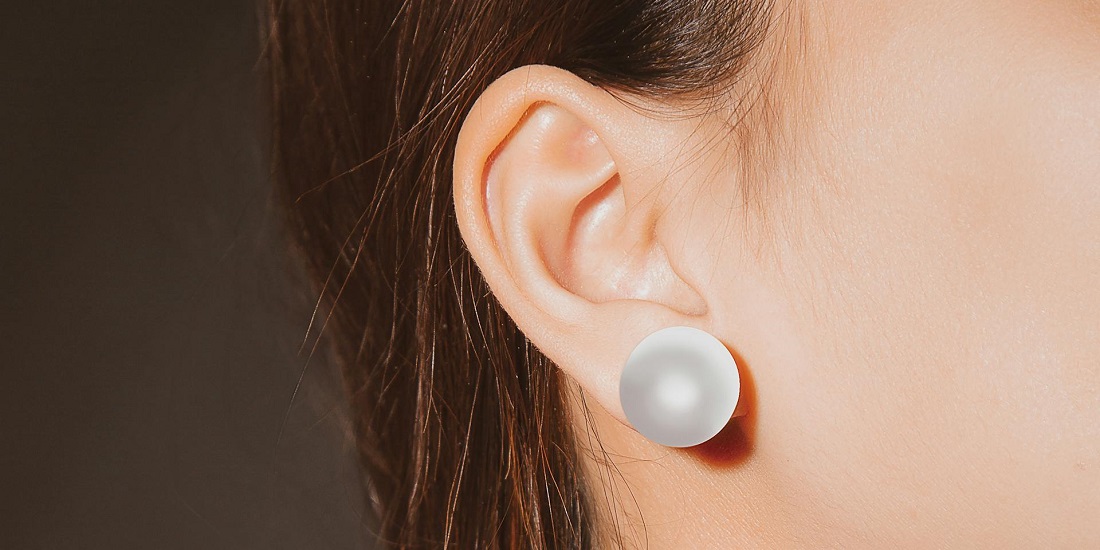
However, the ear can sometimes partially return to its previous position.
- This happens more often when a patient sleeps on the operated side too early.
- It can also happen after a blow, an injury, or improper use of the protective headband.
- In children, the cartilage is softer and easier to shape, but it continues to grow.
- In adults, it is firmer, so the change develops more slowly, but it is usually stable.
- What affects how permanent the results of ear surgery will be includes the technique, the tissue, and habits. That is why the doctor explains during the examination what you should do to preserve your ears.
Factors that affect how long the results of ear surgery last
Several connected factors affect how long the result lasts.
- The technique the doctor uses during the procedure plays a major role. An experienced surgeon carefully plans the incision, the reshaping of the cartilage, and the placement of stitches.
- The quality of the stitches helps the outer ear keep its new position.
- Skin type and cartilage structure also have an impact. Thinner, more elastic cartilage accepts a new shape more easily. Thicker, stiffer cartilage requires more care during shaping.
A large part of the work still belongs to the patient during recovery. Regular wearing of the headband, careful sleeping, and avoiding blows protect the new shape. The most common mistake happens when a patient stops wearing the protective headband too early.
Smaller corrections usually havea more predictable course and a more stable result. Larger reconstructions require experience, longer follow-up, and sometimes additional corrections. When the technique, the tissue, and cooperation come together well, the results of ear surgery remain lasting for years.
Recovery after ear surgery, step by step
Recovery after ear surgery goes through several calm steps.
- During the first few days, you wear a head bandage, the ears are protected, and pain is most often controlled with common painkillers as advised by the doctor. Swelling and redness are most pronounced then, so the ears look larger and “firmer” than they will later.
- After about seven to ten days, the doctor usually removes the bandage and stitches, so you see the new position of the ears more clearly for the first time, although swelling still affects the impression. Even then, many people return to lighter daily tasks and work without physical strain.
- More intense physical activity affects the long-term outcome of the procedure. Bending and lifting are usually not recommended for two to four weeks after ear surgery. Contact sports and swimming should wait even longer, as agreed with the surgeon.
- Swelling slowly decreases over four to six weeks, and the final result of otoplasty is most often assessed between the third and sixth month. At that time, the doctor looks at the shape of the ear, the scar behind the ear, and any discomfort; any stronger pain, redness, or bleeding is a sign to come in for a check-up.
How to keep your results as long as possible after ear surgery
For the result after ear surgery to last as long as possible, your behavior in the days and weeks after the procedure carries a lot of weight.
- At the beginning, it is best to sleep on your back with a slightly elevated pillow, because swelling goes down faster that way and there is no pressure on the ears.
- When the bandage is removed, the doctor most often advises wearing an elastic headband around the head at night, and sometimes during the day as well. It keeps the ears in the new position while the cartilage and scar tissue mature. The headband is also useful during light physical activity, because it protects from an accidental blow. Any stronger impact, injury, or rough pulling of the ear can lead to bleeding, increased swelling, or a partial return to the previous position.
- The skin around the ears should be washed with a mild product and clean water, without rubbing, and the incision should be cared for with preparations recommended by the doctor.
- Check-ups come first after a few days, then as agreed, usually after one month, three months, and six months.
When is a corrective procedure needed, and how is the decision made?
After any ear surgery, it is normal for a patient to observe every detail. Sometimes expectations do not match the result, or the ears do not fit into the imagined picture. It is important to distinguish minor differences that no one notices from a real problem. Mild facial asymmetry, small skin folds, or a feeling of tightness often fall within what is expected. A real problem is:
- severe pain
- pronounced redness
- bleeding
- developmental abnormalities of the outer ear (a clearly distorted shape)
That is why doctors usually advise patience until at least three to six months have passed. That is how much time tissue needs to soften, mature, and show its final appearance. If you still feel dissatisfied even then, you can arrange an appointment and a conversation about a correction. At that visit, the doctor looks at the ears from several angles and compares them with the documentation. Bring reports, earlier photos, and a list of questions, so you do not forget anything. Together, you assess whether a minor correction can improve symmetry and shape. The goal is for the decision to be made calmly, without rushing and without unnecessary worry.
How to choose a doctor and clinic for ear surgery
When choosing a doctor and clinic for ear surgery, it is important to combine knowledge, experience, and a sense of trust. It is good if the doctor works in ENT or in plastic and aesthetic surgery, because that way they know the anatomy of the outer ear, cartilage, and skin better.
“Before and after” photos can help, but it is important to know that each person has different ears and that the result never looks exactly the same as in someone else’s pictures.

A responsible doctor explains what the procedure looks like, what recovery is like, what risks exist, and how the long-term results of otoplasty realistically look over the years. At the first appointment, you can calmly ask all your questions, say what you want, and hear what is truly possible from a professional point of view. That is when appearance, health, and long-term tissue stability are aligned, so the decision becomes easier.
Achieve lasting results from ear surgery with the right choice
If you are considering ear surgery, it is completely normal to have doubts. People most often want a natural look and a result that stays stable for years. That is why many want to know whether the results of ear surgery are permanent and reliable. This depends on the technique, the structure of the cartilage, and your habits after the procedure. Health and function should always come before aesthetics, and appearance follows alongside that. It is a good idea to write down your wishes, fears, and questions before the appointment. That way, during the conversation with the doctor, it is easier to talk about everything that concerns you. Instead of relying on other people’s experiences, ask for an assessment that is meant only for you. When you clearly understand the procedure, recovery, and possible outcome, you make the decision more easily and enter the process with greater calm.