
Are cotton swabs safe for ears?
 +381 64 4184 444
Cotton swabs are widely used as a basic tool for ear hygiene. However, what many people don’t realize is that swabs can do more harm than good. At Dr Prlja Medical Clinic in Belgrade, we often see patients who, in trying to clean their ears, have actually worsened their condition. Although they’ve become a symbol of cleanliness, the use of cotton swabs must be carefully controlled. Proper ear care neither begins nor ends with swabs. That’s why it’s important to understand their role – as well as the risks associated with improper use. In this article, we’ll cover everything you need to know about cotton swabs, how earwax functions, when cleaning becomes too much, and when it’s time to seek professional help.
The primary purpose of cotton swabs
At first glance, cotton swabs seem harmless – small, convenient, and available everywhere. However, their original purpose was never to be used deep inside the ear. Manufacturers clearly state that they are intended for cleaning the outer ear and surrounding skin – not the inner ear canal.
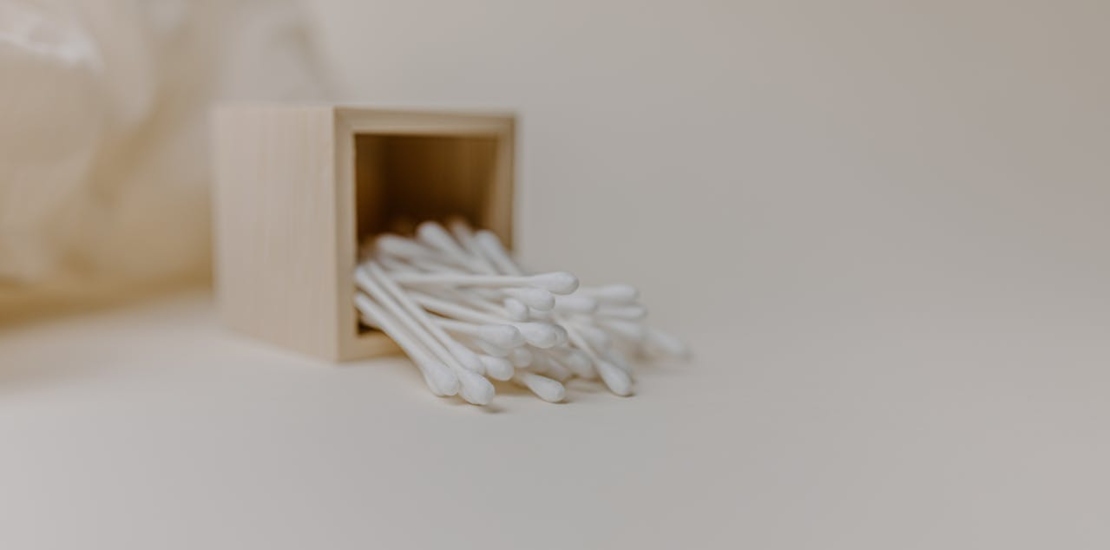
When used correctly, cotton swabs can be part of personal hygiene, but only in a limited way. The problem begins when people try to insert them deeper to “clean” the inside of the ear, which often leads to the opposite effect.
Here’s what commonly happens when swabs are used improperly:
- They push earwax deeper, creating blockages
- They irritate the skin of the ear canal
- They increase the risk of infection and pain
- They can even cause eardrum rupture
That’s why it’s important to understand that cleaning the ear doesn’t mean removing everything inside it, but rather maintaining its natural balance. Disrupting that balance can lead to a number of issues – some of which, like dizziness or headaches, may not be immediately linked to the ears.
Why is earwax important?
Earwax, also known as cerumen, serves a specific and beneficial purpose. It’s not waste material, but a protective barrier naturally produced by the body. It moisturizes the ear canal, traps dirt and bacteria, and gradually moves them outward. Think of it as a natural filter. When earwax is completely removed, the skin in the ear canal becomes exposed to irritation, dryness, and infection. That’s why people who overuse cotton swabs often develop irritation, itching, or even ear canal dermatitis.
In most cases, earwax doesn’t require special attention – unless it builds up excessively or becomes hardened. When that happens, the proper solution is ear irrigation performed by a doctor in a controlled setting. Regularly removing earwax when there’s no need disrupts the body’s natural defense system and increases vulnerability to external irritants.
What can improper use of cotton swabs lead to?
Improper use of cotton swabs doesn’t always cause immediate problems, but over time, the consequences can build up and significantly affect your health. People often ignore the early signs, thinking their ear is simply “clogged.” Here are some specific complications:
- Blockages – The most common result. This can cause a feeling of pressure, ringing in the ears (tinnitus), and reduced hearing.
- Eardrum damage – Can happen if the swab is inserted too deeply or used too forcefully.
- Inflammation and infections – Tiny scratches inside the ear canal can allow bacteria to enter, leading to painful infections.
Most common ENT issues in children are often caused by overuse of cotton swabs, including chronic infections, hearing difficulties, and even speech development delays. That’s why it’s important for parents to understand that a child’s ear canal is not the same as an adult’s – it’s smaller, more delicate, and reacts more quickly to irritation.

It’s very important for parents to educate their children about safe ear hygiene from an early age in order to establish healthy habits. Children often mimic what they see adults do, so setting a poor example can have long-term consequences. Through open conversations and practical guidance, parents can prevent children from adopting harmful ear-cleaning practices.
How can you tell if you’re overusing cotton swabs?
You might think cotton swabs are helping, but the body often sends clear signals that something is wrong. Here’s how to recognize when you may have gone too far:
- A feeling of fullness or pressure in the ear
- Reduced hearing, especially after showering
- Itching, burning, or pain inside the ear
- Redness and irritation
- A constant urge to clean your ears
Ignoring these signs can lead to complications that are harder to treat and may require medical intervention. If you recognize any of these symptoms, an ENT specialist in Belgrade can confirm whether it’s time to stop using cotton swabs. Many patients wait too long – until the symptoms become chronic. Don’t wait until the discomfort becomes unbearable. The sooner you act, the easier it is to resolve the issue without complex procedures.
Recommendations and best practices
The best approach to ear hygiene is simplicity and patience. There’s no need to interfere too much with a process your body already regulates naturally. At Dr Prlja Medical, we often recommend the following routines:
- Limit the use of cotton swabs to the outer part of the ear only
- After showering, gently dry your ears with a towel – avoid inserting anything into the ear canal
- If you feel like your ear is blocked, don’t try to fix it yourself
Instead of cotton swabs, consider:
- Using wet wipes for cleaning the outer ear
- Saline-based sprays to naturally soften earwax
- Occasional professional ear irrigation performed by trained medical staff
The most important thing is to listen to your body. If you notice changes in hearing, pain, or itching – stop using swabs and seek advice from a professional. Remember, discomfort in the ear is not something to be solved by physical intervention, but rather through understanding and a gentle, well-informed approach.

Rethinking cotton swabs: Expert insights on safe ear care
Cotton swabs aren’t inherently harmful, but when used improperly, they can pose serious risks. Many people believe they’re cleaning their ears, but they’re often pushing wax deeper, causing irritation, and potentially triggering infections. Over time, this can lead to hearing loss and other health complications. That’s why it’s important to understand how to use swabs correctly, when to avoid them, and when to seek professional help. At Dr Prlja Medical Clinic, we regularly help patients address issues caused by excessive or improper ear cleaning. If you suspect that cotton swabs have done more harm than good, it’s safer to have a specialist evaluate the situation than to risk damaging your hearing. When it comes to ear health, less is often more. And as for cotton swabs – use them wisely, and only where they truly belong.