
Cysteamine in cosmetics: How does it work on the skin and what are its benefits?
 +381 64 4184 444
Many people are looking for a way to even out their complexion without aggressive treatments. This is where cysteamine is mentioned more and more often. It is a small molecule that is formed by the breakdown of coenzyme A in cells and is naturally present in the body. Cysteamine in cosmetics is usually used in the form of a 5% cream or serum and is applied for a limited time. The goal is to target melasma, post-inflammatory hyperpigmentation after acne or inflammation, and sun spots on the face and hands. Current guidelines place it among modern depigmenting options, especially when the patient does not tolerate hydroquinone or wants a more long-term approach. Why is this important? Because pigmentation often lasts for years and affects both self-confidence and the perception of one’s own health.
Impact of cysteamine on the skin and pigment
To understand cysteamine, we first need to explain how pigment forms. Melanocytes in the epidermis produce melanin through a series of reactions involving enzymes such as tyrosinase and various peroxidases. When these enzymes work faster, the complexion becomes uneven and dark spots deepen. Cysteamine acts at several points in this chain.
- It reduces the activity of these enzymes, so melanocytes produce less dark eumelanin and more lighter pheomelanin.
- At the same time, it acts as an antioxidant and affects reactive oxygen molecules that further damage cells and maintain inflammation.
- It targets hyperactive melanocytes in melasma and post-inflammatory spots, but without destroying the cells themselves.
Advantages that cysteamine in cosmetics offers compared with other methods
Hydroquinone has long been the main therapy for melasma on the face. It acts strongly on tyrosinase and can lighten pigment relatively quickly, but with long-term use it carries a higher risk of:
- irritation
- dilated capillaries
- rare but serious ochronosis

Because of this, it is usually used for a limited time under careful professional supervision. Cysteamine has a different effect. It does not destroy melanocytes but changes how they work, so it fits better into long-term plans. It can reduce the severity of melasma similarly to 4% hydroquinone, but with milder side effects. In addition to these two ingredients, the following are also used in facial hyperpigmentation treatment:
- azelaic acid
- kojic acid
- tranexamic acid
- niacinamide
- vitamin C
Professional recommendations from modern anti age centers today do not focus on a single “best” ingredient, but on smart combinations, which always go together with consistent sun protection.
Which skin types benefit from cysteamine?
Cysteamine has proven useful in several forms of hyperpigmentation.
- Melasma occurs most often in women, frequently after pregnancy or hormone therapy, and is worsened by sun exposure. It is especially pronounced in darker phototypes, but is not uncommon in fair skin either.
- Post-inflammatory hyperpigmentation appears after acne, eczema, burns, and on darker skin it can persist for months.
- Solar lentigines are so-called “sun spots” that appear on the face, décolletage, and the backs of the hands after years of UV exposure.
Cysteamine can reduce pigment in all these situations, including in skin of color. This is why cysteamine in cosmetics is often considered when someone is looking for a balance between effectiveness and safety and wants a single product for several types of dark spots.
Who should use cysteamine with caution?
Cysteamine is not ideal for every situation
- People who have active eczema, skin with rosacea, or seborrheic dermatitis already have a damaged skin barrier. In their case, any additional irritant, including a depigmenting agent, can lead to more redness, stinging, and worsening of the underlying condition. This is why experts first recommend calming the inflammation and only then working on dark spots.
- The use of cysteamine during pregnancy and breastfeeding has not been sufficiently studied, so a cautious, individual approach is needed in these cases.
- People with a personal or family history of vitiligo or other depigmentation disorders also should not experiment on their own, but make a decision in consultation with a qualified professional. The goal is always the same: to reduce pigment, not to trigger a new problem on skin that is already prone to color disorders.
How to incorporate cysteamine into your daily routine?
Introducing cysteamine into a routine makes sense only when you clearly know what you want to achieve. The first step is choosing the right formulation: a stabilized 5% cream or serum are the most common forms. Many protocols use so-called “short contact” – the product is applied to clean, completely dry skin, left on for about fifteen minutes, and then rinsed off, followed by an emollient.

On skin that tolerates it well, it can also be left on overnight, but this requires experience and caution. Next comes frequency. Daily use is recommended for eight to twelve weeks, and after that you switch to a maintenance regimen twice a week. Along with all this, one constant remains: regular, broad-spectrum sun protection every morning, with reapplication during the day when you are outdoors. Without that, no depigmenting agent provides a stable result.
When are results visible and how long should you use cysteamine in cosmetics?
The first objective effects are usually noticed after about eight weeks. The melasma severity index and measurements of melanin levels continue to decrease up to the twelfth or sixteenth week. After that period, most regimens switch to maintenance, with less frequent use of cysteamine and continuous photoprotection.
Melasma and other pigmentations have a strong tendency to recur, so no cream “solves” the problem forever. If sun protection is neglected or hormonal triggers remain present, dark spots return more easily. This is why the plan should include not only product choice, but also habits, time spent in the sun, and the way you care for your skin in the long term.
Side effects and contraindications
Like any active ingredient, cysteamine can cause unwanted reactions, especially at the beginning. The most common are:
- redness
- stinging
- itching
- tightness
- mild skin peeling
Some formulations have a pronounced, sulfur-like smell due to their chemical structure, which can be unpleasant but does not necessarily mean the product is damaging the skin. In most cases, irritation decreases when application is temporarily reduced and a richer emollient care with ceramides, panthenol, or glycerin is introduced. Compared with hydroquinone and combination creams that contain corticosteroids, the overall frequency and severity of reactions are generally lower. However, the appearance of severe swelling, blisters, or dramatic worsening of the underlying dermatosis is a clear signal to stop use and seek urgent evaluation by a specialist. The goal is for the skin to improve, not to suffer.
How to choose a good product with cysteamine?
When you look at a dermocosmetics shelf, it is easy to feel lost. This is why, when you read labels, you should first check whether the product clearly states the concentration of cysteamine, the recommended contact time, and usage limitations. The stability of the molecule is a major challenge, so serious manufacturers use special carriers and airtight packaging.
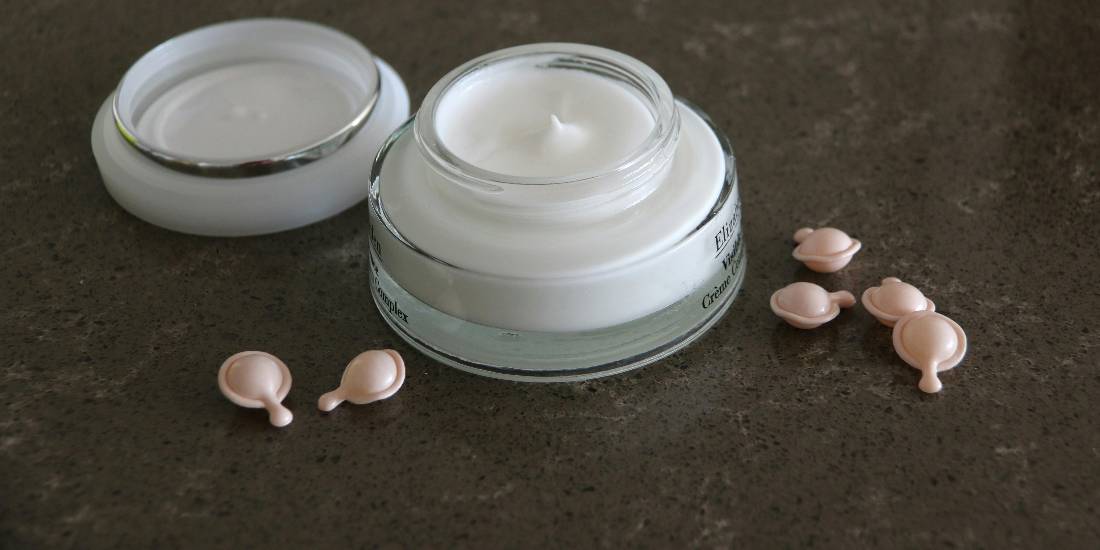
Formulas often combine cysteamine with soothing ingredients and mild emollients to help the skin better tolerate the treatment. It is also worth checking whether the brand presents data from clinical studies, and not only “before and after” marketing photos. Other people’s experiences can be useful, but always view them through the lens of your own phototype, type of pigmentation, and skin sensitivity. When pigmentations are pronounced, long-lasting, or keep coming back, many patients save time and money by developing a plan together with a specialist.
Problems that cysteamine in cosmetics cannot solve
Sometimes home care simply is not enough. This happens with melasma that has lasted for years, keeps spreading, or returns after every summer, as well as with combinations of redness and pigmentation. In such cases, a specialist does not look only at the shade of the dark spot, but also at pigment depth, the presence of a vascular component, the condition of the skin barrier, and overall health. Based on this, they can suggest a plan that combines topical products such as cysteamine with procedures like chemical peels, microneedling, or laser treatments.
Follow-up visits over time serve to assess whether the regimen is “moving” in the right direction and to adjust the dosage. In this way, a balance between effect and tolerability is achieved, with a lower risk of relapse. You may not get a perfect, “Photoshop-like” complexion. However, you can reach a more stable condition that feels acceptable and sustainable to you.
What should you keep in mind if you care about skin health
In the end, we return to the basic question: what do you want from your skin and your skincare? Cysteamine in cosmetics offers the possibility to act on dark spots without damaging melanocytes and shows a good profile in different phototypes. Still, it does not work on its own. It gives the best results when it fits into a routine that includes regular sun protection, control of inflammatory dermatoses, and a balanced approach to other active ingredients. Hyperpigmentation often comes back, so a long-term plan makes more sense than a short “attack.” If you understand how dark spots form, how the treatment works, and when you should seek professional guidance, it becomes easier to make decisions. This changes not only the appearance of the skin, but also the feeling that you have a clearer influence on your own health and daily life.