
Melasma: Causes and treatment
 +381 64 4184 444
Melasma is a common skin condition that affects many people, especially women. These dark patches can impact self-confidence and are often difficult to cover with makeup. Although not harmful, melasma can be stubborn and may require long-term treatment. Many individuals turn to dermatological procedures for solutions, and aesthetic clinics in Belgrade offer a range of treatments to reduce hyperpigmentation. In this article, you’ll learn what melasma is, why it occurs, how it can be treated, and the best ways to prevent it.
What is melasma?
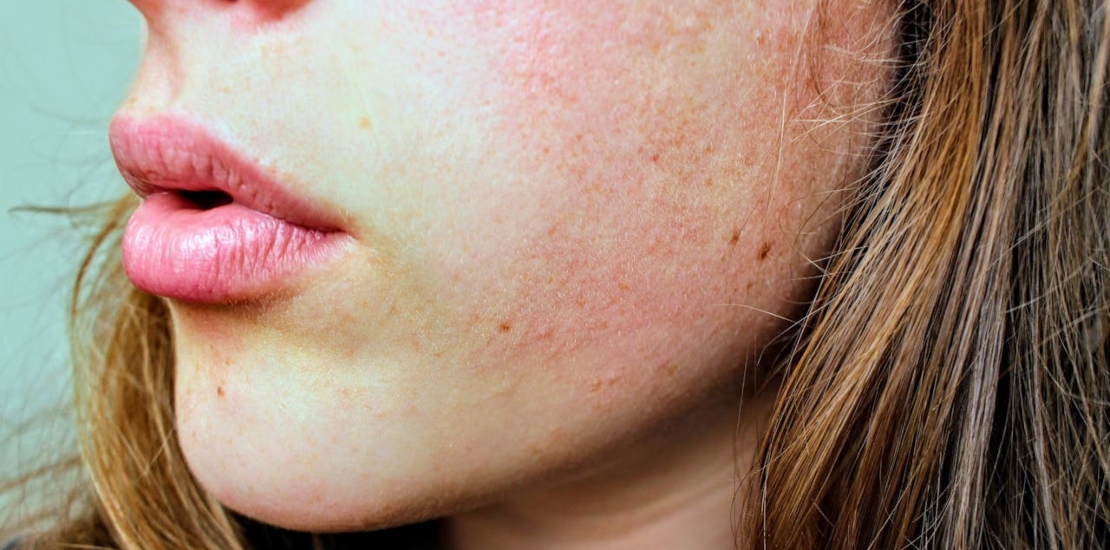
Melasma is a chronic pigmentation disorder that most commonly occurs on the face. It is characterized by brown or grayish patches that symmetrically appear on the cheeks, forehead, nose, and above the upper lip. This condition is more common in people with darker skin tones, as they have more melanocytes – the cells that produce pigment. While it is not medically dangerous, melasma can be aesthetically frustrating and difficult to remove without proper treatment.
How to recognize melasma – What are the symptoms?
Melasma is easy to recognize due to its specific characteristics:
- Dark, irregularly shaped patches on the face
- Symmetrical arrangement of the patches
- Most commonly appears on areas frequently exposed to the sun
- Skin changes do not cause itching or pain
Unlike regular spots or acne scars, melasma does not fade quickly and often worsens with exposure to UV radiation or hormonal changes.
Types of melasma on the face
Melasma on the face can present in various forms depending on the depth of pigmentation and the underlying causes. Distinguishing between the types of melasma is important as it determines the approach to treatment and the effectiveness of therapies. Some types are superficial and easier to treat, while others are deeper and require more intensive therapy.
- Epidermal Melasma: This type affects the outer layer of the skin (epidermis). The patches are dark brown and well-defined. Epidermal melasma is easier to treat because the pigment is closer to the skin’s surface.
- Dermal Melasma: The pigment is located deeper within the dermis, making treatment more difficult. These patches are lighter, grayish, and less sharply defined. Traditional therapies like creams and chemical peels may have a weaker effect.
- Mixed Melasma: This is a combination of both epidermal and dermal melasma. The patches appear in different shades of brown and gray. Treatment may take longer as both the superficial and deeper layers of the skin need to be addressed.
- Pregnancy Melasma: Also known as chloasma, this type occurs during pregnancy due to hormonal changes. It typically fades after childbirth but may persist longer if not treated properly.
- Mandibular Melasma: This type appears along the lower jaw (mandible). It is more common in older individuals and is often resistant to standard treatments.
How melasma differs from regular spots on the face
Melasma differs in the following ways:
- Symmetrical arrangement (regular spots are often irregular and asymmetrical)
- Chronic nature (it does not fade on its own)
- Association with hormonal changes and UV exposure
Regular hyperpigmentation, such as post-inflammatory spots from acne, fades more quickly and often responds to basic treatments like peels. These spots result from inflammation or skin damage and gradually fade over time, while melasma can persist for years if not properly treated.
What causes melasma?
The main factors that contribute to the development of melasma include:
- Sun exposure – UV rays stimulate melanocytes to produce more pigment.
- Hormonal changes – Pregnancy, birth control pills, and hormone therapy can trigger melasma.
- Genetics – If someone in your family has melasma, you are more likely to develop it as well.
- Cosmetics and skin irritation – Some harsh products can worsen the condition.
- High temperatures – Heat can activate melanocytes, even without direct sun exposure.
Treatment of melasma
Treating melasma can be a lengthy process, and success depends on the type of melasma and its causes. Proper treatment requires a combination of dermatological procedures and consistent skin care. The most common therapies include:
- Hydroquinone creams – Works to reduce melanin production.
- Retinoids – Help in skin renewal and reduction of pigmentation.
- Chemical peels – Remove surface layers of skin and improve skin tone.
- Laser treatments – Effective for stubborn melasma, but can cause irritation.
- Sun protection – SPF 50+ sunscreen is essential to prevent further worsening.
How to remove melasma naturally
Some natural ingredients may help lighten dark spots:
- Aloe Vera – Soothes the skin and aids in regeneration.
- Vitamin C – Reduces hyperpigmentation and refreshes the skin.
- Apple Cider Vinegar – A natural toner for evening out skin tone.
- Turmeric – Has anti-inflammatory properties and may help reduce dark spots.
While natural treatments can improve the appearance of the skin, results are slower compared to medical procedures.
Cosmetic treatments for melasma
Regarding medical procedures, various facial treatments are available in Belgrade for treating melasma:
- Chemical Peels – Help remove the surface layer of the skin and rejuvenate the complexion.
- Mesotherapy – Injections of vitamins and antioxidants to lighten the skin.
- Microdermabrasion – Mechanical removal of dead skin cells.
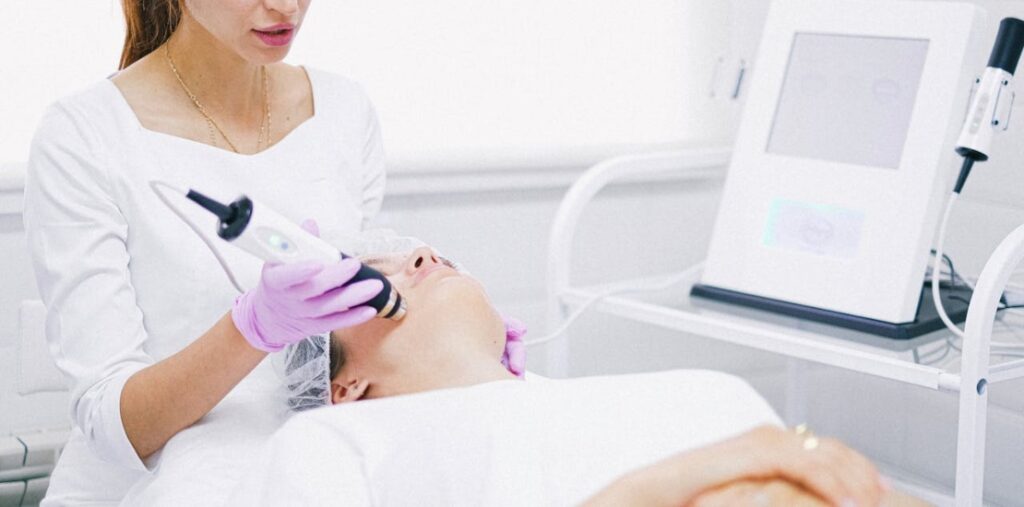
- Laser Therapy – Targets pigmented spots and improves skin appearance.
It is important to consult a specialist before deciding on any treatment. They can assess the type of melasma and recommend the most suitable therapy for your skin type and needs. Incorrect treatments can worsen the condition and cause additional irritation or spots.
How to prevent melasma?
Prevention is key to stopping the development or worsening of melasma:
- Use SPF 50+ sunscreen every day – Even in winter.
- Wear hats and sunglasses – Additional protection from UV rays.
- Avoid hormonal therapies without consulting a doctor.
- Use gentle cosmetic products – Skin irritation can worsen the condition.
- Maintain a healthy diet and consume enough antioxidants – Good nutrition can contribute to skin health.
Foods rich in vitamins C and E, zinc, and omega-3 fatty acids can help reduce oxidative stress and maintain an even complexion.
Melasma – Persistence and the right treatments are key
Melasma can be challenging, but there are various treatments that can help alleviate it. The key to successful treatment is a combination of aesthetic procedures and proper skincare. With adequate sun protection and the right treatments, it is possible to significantly reduce dark spots and improve skin tone. If you’re seeking expert help, Dr Prlja Medical offers treatments that can help improve the appearance and health of your skin.