
Best methods for correcting lip shape
 +381 64 4184 444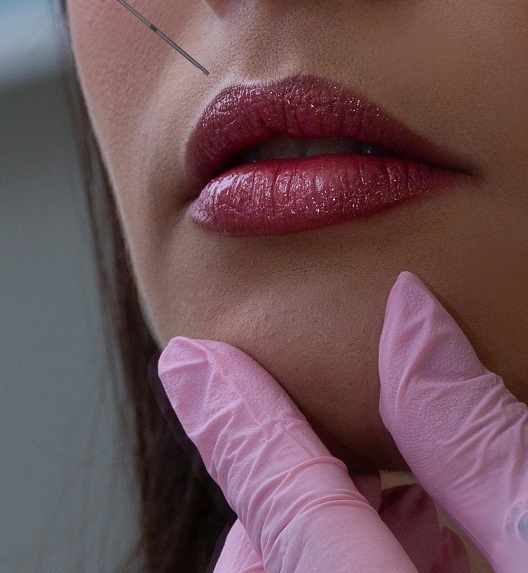
The shape of your lips affects your facial appearance, but also how you speak, chew, and close your mouth. That is why lip correction is not only a cosmetic issue. It also concerns the health of the oral cavity, the skin, and the mucosa. With age, the upper lip becomes longer, the red part becomes narrower, and wrinkles form around the lips. At the same time, sun exposure, smoking, and bad habits dry out the tissue and increase the risk of changes on the lips, even precancerous lesions. Where should you even start, with so many methods, and where can you find the right advice? Before you decide, you need to consider different methods for correcting lip shape and choose what best matches your health and goals.
What are the modern methods for correcting lip shape
When people talk about lip correction, most first think of hyaluronic fillers. But the modern approach is much broader. The mildest group includes products for topical use:
- creams with sun protection factor
- balms for dry and chapped lips
- gentle peels that improve the surface of the skin and mucosa
Next come minimally invasive procedures: fillers that add volume or change the contour, and botulinum toxin (Botox), which acts on the muscles around the lips.

For deeper and more lasting changes, aesthetic surgery in Belgrade offers reliable methods, such as lip lift and various mucosal plastic procedures. Each of these methods has a clear medical logic:
- changes the amount of tissue
- position
- muscle tension
There is no single ideal procedure for everyone. That is why milder and stronger interventions are often combined, in smaller extent and over several steps.
Structure of the lips and factors that change their shape
To understand what is realistically achievable, it is useful to know how the lips are structured. The lips consist of:
- skin on the outside
- subcutaneous fatty tissue
- orbicularis oris muscle
- mucosa on the inside
The border between the skin and the red part of the lip (vermilion) has a strong effect on the visual shape.
With aging, the amount of collagen and elastic fibers in these layers decreases. The upper lip becomes longer, the red part becomes less visible, and the corners drop. The sun further damages the lower lip, which is thinner and less protected by pigment, so rough, scaly changes (actinic cheilitis) can appear. Smoking, poor oral hygiene, inappropriate dentures, and an irregular bite change the distribution of forces around the mouth. Therefore, assessment of lip shape always includes an examination of the teeth, gums, and surrounding skin.
Milder needle-free methods and preserving the lip barrier
For milder irregularities, the first step is to stabilize the surface of the lips and surrounding skin. This means regular use of balms with UV protection, moisturizers, and barrier-repairing ingredients such as ceramides and hyaluronic acid. Gentle chemical peels can remove rough deposits and improve cream absorption, but they are not used on suspicious or severely altered lesions.
Changing habits has a huge impact:
- quitting smoking
- spending less time in strong sun
- avoiding lip biting
- avoiding excessive rubbing
In early photo damage, the doctor sometimes introduces additional topical therapy. The goal of these procedures is not a dramatic change in shape, but healthier, more stable tissue. That way, later interventions, if needed, become more predictable and safer.
Misconceptions and unrealistic expectations in lip correction
How many times have you seen “perfect” lips on social media and thought you wanted the same? The problem is that filters change the proportions of the entire face, so what you see is not a real appearance. In addition, lip shape does not exist in isolation. It always needs to fit with the nose, chin, cheekbones, and jawline.
A major misconception is the belief that more filler means a better result. Too much product overloads the tissue, disrupts proportions, and can make speaking or closing the mouth more difficult. Another common mistake is wanting to copy the shape of a celebrity’s lips, regardless of your own anatomy. The modern approach therefore includes a detailed consultation, a realistic plan, and a clear agreement on what is and is not possible. This reduces the risk of dissatisfaction, as well as unnecessary corrections.
Minimally invasive methods for correcting lip shape
Hyaluronic fillers are the standard today for lip augmentation. Hyaluron is a substance that naturally exists in the skin and binds water. When hyaluronic lip fillers are injected into precisely chosen layers, they can add volume, highlight the contour, or gently correct asymmetry. The result lasts from several months up to about a year, depending on the product, the injection site, and your metabolism. The most common reactions are pain at the injection site, swelling, and bruising, which resolve within a few days.

A more serious but rarer complication is blockage of a blood vessel, when the material enters an artery or compresses it. This causes severe pain, pallor, or a change in skin color, and urgent treatment with a medication that dissolves hyaluron (hyaluronidase) is necessary. For this reason, fillers should be applied by a physician with anatomical knowledge and a clear plan for managing complications.
Botulinum toxin (Botox) is used in small doses in a technique often called the “lip flip.” It is injected superficially into the muscle around the upper lip, so the lip slightly “flips” outward and appears fuller, but without added volume. The effect lasts for a shorter time than fillers, approximately two to three months.
How long results last and when to repeat treatment
Fillers naturally break down over time. In most people, the effect is visible for about six to twelve months and gradually weakens without a sudden “collapse” of the result. The duration depends on the type of product, the region, facial expression, and factors such as smoking. A lip flip with Botox lasts a shorter time, because the molecule breaks down more quickly in an active muscle region.
Does that mean you should immediately plan the next treatment as soon as the effect weakens? Not necessarily. After each procedure, the doctor assesses the condition of the tissue and photographs the result. If there were complications, a longer break is usually taken so the tissue can fully recover. You decide on a repeat treatment together with your doctor, with a clear reason and goal, and not just out of habit.
Comparison of different lip correction methods
How can you decide which method is right for you when there are so many?
- Fillers restore volume and correct asymmetry, so they are a good choice for mild to moderate changes.
- Botox affects muscle tension and expression, so it is better for subtle corrections such as a lip flip.
- Surgical procedures, for example a lip lift, permanently shorten the upper lip and increase the visibility of the red part, but they leave a scar and require a longer recovery.
- Laser procedures and chemical peels are useful when there is skin damage, actinic cheilitis, or fine wrinkles, but they do not solve lack of volume.
That is why combinations of aesthetic treatments often give the best results instead of a single aggressive procedure. This approach provides better control over the outcome and a lower risk of complications.
When to consider surgical lip correction
Surgical lip correction is not the first step. It is usually considered in cases of:
- significant lengthening of the upper lip
- marked retraction of the red part
- post-traumatic deformities of the lips
- unsuccessful previous interventions
A lip lift shortens the skin between the nose and the upper lip and makes the vermilion more visible. In this way, the relationship between the nose and lips approaches the proportions that were present at a younger age.
There are also procedures that specifically lift or reshape the corners of the lips or add local volume to the mucosa using plastic techniques. Each such procedure requires detailed preparation, drawings, photographs, and a clear agreement about the expected result. Recovery includes controlling swelling, scar care, sun protection, and monitoring any sensory disturbances in the area.
What to do if the result is not what you wanted
What if, despite everything, you are not satisfied? First, it is necessary to wait for the swelling to subside completely, because the appearance immediately after the treatment can be misleading. If even after that period the result deviates from the agreed goal, the next step is a conversation and clinical evaluation with before-and-after photographs.
With hyaluron, there is the option of dissolving hyaluronic fillers using a special enzyme, hyaluronidase. It is used in cases of excessive volume, lumps, migration of the material, or suspicion of vascular compromise. The dose and method of application are determined by a physician trained to use this medication, with equipment ready for emergency reactions. After dissolution, the tissue needs a recovery period before any new intervention.
With Botox, most unwanted effects subside once the molecule breaks down, so follow-up and, if needed, symptomatic therapy are most often used. In any case, the goal is to resolve the problem with as few additional procedures as possible and to draw clear lessons from the experience for the future.
How to choose the right methods for lip shape correction
Lip correction is not just a matter of having a “better selfie.” It requires an understanding of anatomy, tissue aging, the impact of habits, and possible risks. There are milder steps, such as care, sun protection, and lifestyle changes, and then medical methods that change the volume, contour, or position of the lips. The most important thing is that every step is well thought out. First, the health and condition of the skin are stabilized, then milder methods are considered, and only after that more serious interventions. A conversation with a specialist, realistic expectations, and clear goals greatly reduce the risk of a poor outcome. In this way, methods for correcting lip shape become part of responsible self-care, not a quick attempt to copy someone else’s appearance.