
Hyaluronidase (Dissolving Fillers): Everything You Need to Know
 +381 64 4184 444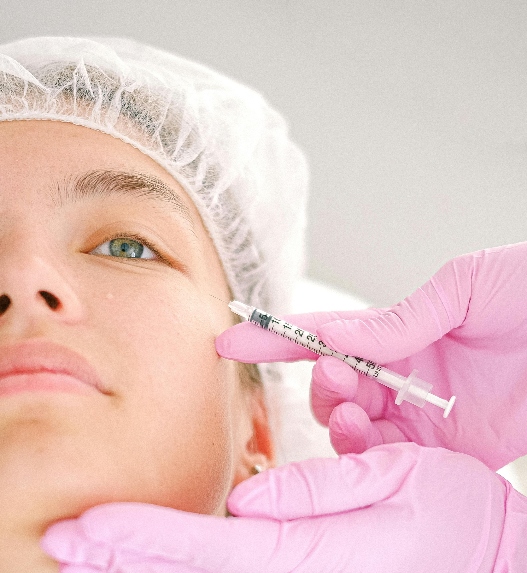
Aesthetic procedures with fillers can refresh the face and improve contours, but sometimes the result is not what you expected. Too much volume, an unnatural look, or uneven distribution can cause dissatisfaction or even discomfort. Fortunately, there is a solution — hyaluronidase, an enzyme that quickly and effectively dissolves hyaluronic fillers, restoring the natural appearance of the face. Whether it’s for correcting cosmetic imperfections or addressing a medical emergency, hyaluronidase allows unwanted fillers to be removed without a long wait. Learn how this treatment works, when it’s needed, and what to expect after the procedure.
What is hyaluronidase?
Hyaluronidase is an enzyme that breaks down hyaluronic acid, the main component of hyaluronic fillers. It is used to correct or completely remove fillers when the results are unsatisfactory or when complications occur, such as lumps, excess volume, or blood vessel blockage.
This enzyme speeds up the breakdown of hyaluronic acid, helping the body absorb it more quickly. The effect is almost immediate, with visible results within the first few hours after treatment.

When should a filler be dissolved?
Although hyaluronic fillers naturally break down over time, there are cases where removal is desirable or even necessary:
- Unsatisfactory results – when the filler creates an unwanted look, such as asymmetry or excessive volume.
- Incorrect filler application – if the filler is unevenly distributed or injected too deep or too shallow, it may cause irregularities and skin discoloration.
- Too much filler – injecting more than necessary can lead to a swollen and unnatural appearance.
- Blood vessel blockage – in rare cases, a filler may cause a serious complication by pressing on or blocking a blood vessel, which can impair circulation and damage tissue.
- Preparation for a new treatment – when a patient wants to remove old fillers before a new procedure or surgery (such as before blepharoplasty).
What can cause complications with hyaluronic fillers?
While hyaluronic fillers are generally safe, improper application or individual reactions can lead to unwanted effects. The most common causes of complications include:
- Inexperience or poor injection technique – may result in uneven filler distribution, lump formation, or changes in the shape of the treated area.
- Unsuitable filler type for the treated area – each filler has a different density and texture, so using the wrong product may lead to poor results.
- Too much filler – injecting too much can make the face look overfilled or unbalanced.
- Poor body reaction – some patients may experience swelling, inflammation, or excessive immune response.
- Circulation blockage (vascular occlusion) – a rare but serious complication that can cause tissue necrosis if not treated quickly.
To avoid these problems, it is essential that fillers are applied by an experienced professional and that the right product is used for each facial area.
Which facial areas most often require filler dissolving?
Although hyaluronic fillers can enhance facial features, sometimes they need to be removed to restore a more natural and balanced appearance. The most common areas for dissolving fillers include:
- Lips: Excess volume, uneven distribution, or asymmetry are the main reasons for dissolving lip fillers.
- Nasolabial folds Nose: Fillers in this area can create a swollen look or alter natural facial contours, so they are often removed from the nasolabial region.
- Cheeks and cheekbones: If cheekbones appear overly pronounced or the filler is uneven, dissolving cheek fillers helps restore natural proportions.
- Under-eye area (tear troughs): Fillers may cause puffiness, bluish discoloration (Tyndall effect), or uneven texture. Removing under-eye fillers can refresh the face.
- Nose: When non-surgical rhinoplasty with fillers does not achieve the desired effect or creates irregularities, dissolving nasal fillers allows for better shape correction.
What does the filler dissolving process look like?
The filler dissolving process takes between 15 and 30 minutes and begins with a doctor’s consultation, where the amount of filler is assessed and, if necessary, an allergy test is performed. After cleaning the skin with an antiseptic, a local anesthetic may be applied for added comfort. Hyaluronidase is then injected with a fine needle directly into the treated area, where it begins working immediately. Mild swelling or redness is normal and usually resolves within 24 to 48 hours.
Is hyaluronidase safe?
Hyaluronidase is safe when applied by an experienced professional. It has been used in aesthetic medicine for many years and is approved for dissolving hyaluronic fillers. However, like any treatment, it carries some potential side effects and risks:
- Temporary swelling and redness – usually resolve within 24 to 48 hours.
- Bruising – rare and typically disappears quickly.
- Mild burning sensation – may occur for a few minutes after treatment.
- Allergic reaction – very rare, but possible in sensitive individuals, which is why an allergy test is recommended.
Does hyaluronidase destroy natural tissue?
Many patients wonder if hyaluronidase can damage their natural hyaluronic acid in the skin. The good news is that this enzyme mainly breaks down hyaluronic fillers, while the body’s natural hyaluronic acid continues to be produced and renewed. The treatment does not cause permanent changes to the skin structure. After the filler is completely dissolved, the skin returns to its pre-treatment condition.
Recovery after filler dissolving
Most patients return to their daily activities immediately, but it is important to follow the doctor’s instructions:
- Avoid touching the treated area for several hours after the procedure.
- Do not apply makeup or creams for at least 24 hours to reduce the risk of irritation.
- Avoid sun exposure, saunas, and intense exercise for the first few days to prevent additional swelling.
- Follow expert advice regarding further care and any additional treatments.
Once the hyaluronidase fully dissolves the filler, patients can decide to keep their natural appearance, reapply hyaluronic fillers for subtle corrections (such as non-surgical nose correction, mild lip enhancement, or facial contour definition), or opt for aesthetic surgery for longer-lasting results.
Who should not use hyaluronidase?
Hyaluronidase is not suitable for all patients. People allergic to this enzyme may experience unwanted reactions, which is why an allergy test is important before treatment. Pregnant and breastfeeding women should avoid this procedure, as there is not enough research on its effects on the fetus or baby. If there is an active infection, inflammation, or open wound in the treated area, the procedure should be postponed until the skin has fully healed. People with certain autoimmune diseases should also proceed with caution.
Precise filler correction
If you’re not happy with the result of your filler or want a correction, Dr Prlja Medical offers a fast and safe solution using hyaluronidase. Our experts accurately remove unwanted fillers and help you achieve your desired appearance, whether that means a completely natural look or a carefully performed new application.
Don’t let an imperfect result affect your confidence. Contact us today and restore balance, proportion, and freshness to your face!