
Skin protection from blue light: Is it really necessary and how does it work?
 +381 64 4184 444
Blue light is part of the light spectrum that we encounter every day. Sun rays carry most of this wavelength, while phones, laptops, televisions, and LED lighting add another source during the day. People often spend hours in front of screens, so the skin comes into contact with more light than before. Natural blue light differs from artificial blue light, but both can affect the complexion. Phones and laptops are not as strong as sun rays, but they can contribute to a tired and dull appearance of the skin in sensitive individuals. This is why many people look for ways to maintain a healthy, well-cared-for complexion throughout the day, so skin protection from blue light is gradually becoming part of the skincare routine.
How blue light affects the skin
Blue light affects the skin by stimulating it to react more quickly to stronger light waves. Such waves trigger processes that create oxidative stress, so the skin uses its protective reserves faster than usual. When this happens often, the complexion looks tired, duller, and less hydrated. Skin types can react differently to oxidative stress: dry skin loses moisture more easily, while oily skin sometimes appears tight and uneven.

Prolonged exposure to these waves gradually affects the fibers that provide firmness to the skin, as oxidative stress weakens collagen over time and reduces elasticity. Fine lines may become more noticeable on dry or sensitive skin, although the primary cause of their formation remains the natural aging process and UV exposure. These processes occur slowly, so gentle and consistent care helps the skin stay nourished throughout the day.
Blue light and pigmentation
Blue light can increase the activity of melanocytes, especially in darker skin types that produce pigment more quickly. When this happens often, the skin creates more melanin in areas that are already sensitive. This light can exacerbate existing melasma on the face, as such skin is already prone to stronger pigmentation.
The difference between post-inflammatory pigmentation and light-induced pigmentation is clear. Post-inflammatory pigmentation occurs after irritation or inflammation, while photo-pigmentation happens under light waves. UVA waves and blue light penetrate deeper into the skin than UVB rays and can affect pigment production in sensitive individuals. Blue light can contribute to more pronounced and long-lasting spots in people with darker skin types, as such skin reacts more strongly to light waves. Gentle protection and a consistent routine help calm the skin throughout the day.
Is skin protection from blue light really necessary?
Skin protection from blue light becomes necessary when exposure is frequent and prolonged.
- People who work in front of screens for several hours a day are at greater risk, as the skin constantly reacts to light waves.
- Strong LED lighting indoors adds another source that can increase fatigue and dull the complexion throughout the day.
- Long periods in front of screens can contribute to a tired complexion and reduced hydration, while changes in elasticity are more closely linked to stronger light sources like the sun.
Visible changes occur slowly, so sensitive individuals notice skin fatigue and fine lines earlier than expected. Light formulas with antioxidants are sufficient for people who spend short periods in front of screens, while those who work long hours indoors use stronger serums or creams with pigments that create a mild protective barrier. This approach helps the skin maintain a well-cared-for appearance throughout the day.
Practical steps: How to protect your skin at home and at work
Protecting your skin from blue light is easier when your routine includes a few simple steps.
- Practical steps for skin protection begin with gentle cleansing in the morning and evening. This helps the skin remove excess oil and particles that can increase oxidative stress during the day.
- Hydration then helps the skin maintain balance. Adequate water levels strengthen the natural barrier and remove signs that your skin is lacking hydration.
- A morning serum with antioxidants provides extra support for cells defending against light waves.
- Day face creams that contain pigments with mineral filters can create a mild protective barrier and reduce the impact of artificial light on the skin.
- People who spend the whole day in front of screens can achieve better results by reducing the brightness on their devices, increasing distance, and taking breaks during work.
- Mini routines for office or home work include applying a light cream in the afternoon, doing short stretches, and lowering screen brightness when possible.
These small habits reduce skin tension and help the complexion stay calmer throughout the day.
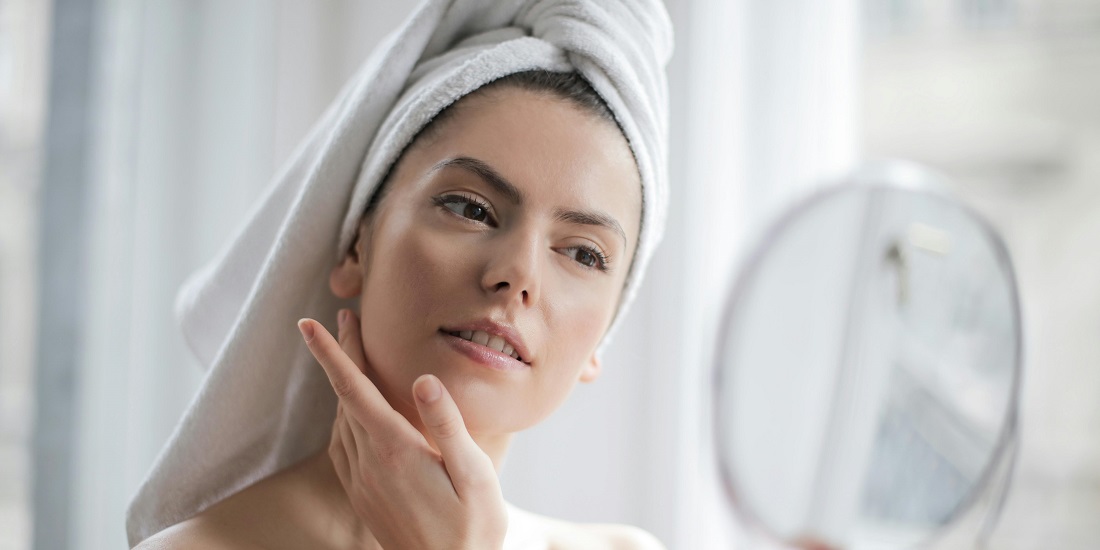
Products that help with daily protection
Products for daily skin protection help keep the complexion even throughout the day.
- Morning serums with antioxidants give the skin a strong start and support cells that respond to light waves.
- Creams with pigments add a mild barrier that reduces the impact of artificial light indoors.
- People with dry skin choose richer formulas, while oily skin responds better to lighter gel textures.
- Combination skin reacts well to layered application of serum and a light cream.
The most common mistake in daily skincare occurs when people skip hydration, as this causes the skin to lose water more quickly and appear tighter. Skin protection from blue light easily fits into an existing routine by adding serum in the morning and a light cream before leaving the house. It is important to apply products evenly, gently tapping, and avoid harsh cleansers. This approach keeps the skin calmer throughout the day. These steps are simple and suitable for all skin types.
Seeking professional help
SProfessional help becomes important when your skin shows signs that are hard to calm at home. These include:
- persistent spots
- uneven tone and a slightly grayish complexion
- a feeling of tightness
- changes that last longer than a few weeks
A specialist can assess how different skin types respond to everyday light and whether effects linked to long hours in front of screens are appearing.
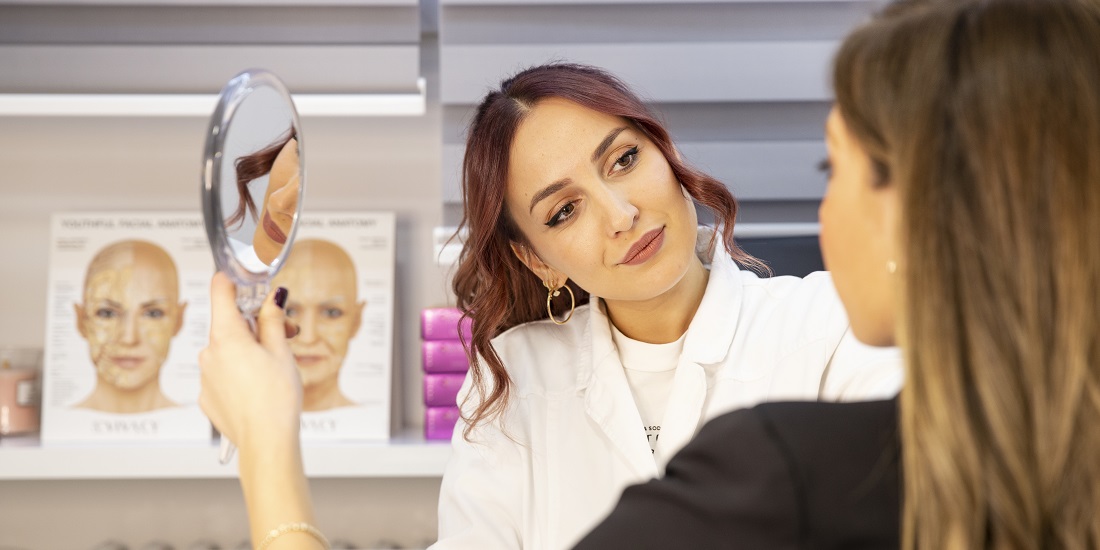
Professional treatments for blue light protection
An assessment at a professional anti aging center includes an evaluation of texture, elasticity, and pigmentation, making it easier to see how sensitive the skin is to light waves. There are facial treatments that repair damage caused by frequent exposure, such as:
- gentle chemical peels
- treatments for instant hydration effects
- targeted care for pigmentation
Short consultations help people understand which routine works best for their skin type. The specialist then recommends care that calms the skin and restores stability throughout the day.
How to maintain healthy skin despite blue light
Blue light affects the skin every day, so it is helpful for the routine to be carefully structured. Simple habits during the morning and evening help keep the skin calm, while short breaks throughout the day maintain stability and better hydration. When these steps are repeated, the skin adapts more easily to the light waves from the surroundings. This is why skin protection from blue light is increasingly added to daily skincare, as it provides an easy way to preserve the complexion throughout the day. It is enough to introduce one small step that suits your skin and observe how it changes over time.