
How to help your skin recover after intensive facial treatments?
 +381 64 4184 444
Intensive facial treatments can deliver great results. They renew the skin, correct imperfections, and promote a fresher look. Still, after such treatments, the face often becomes red, dry, and sensitive. This is a normal reaction, as the skin needs time to adjust and recover. In these cases, there are steps that help the skin recover after intensive facial treatments without added stress or irritation. The solution lies in simple yet consistent habits that include gentle care, proper protection, and a healthy lifestyle. With careful attention, it is possible to calm the skin and allow it to restore itself naturally.
Why does the skin react after intensive treatments?
Intensive facial treatments work by removing the surface layer of the skin and stimulating the production of new cells. When the protective barrier of the epidermis is removed, the skin temporarily loses part of its resistance. This is why redness, dryness, or a stinging sensation often appear. Some people also notice pimples after a facial. This may result from irritation if the products or the procedure itself did not suit the skin.
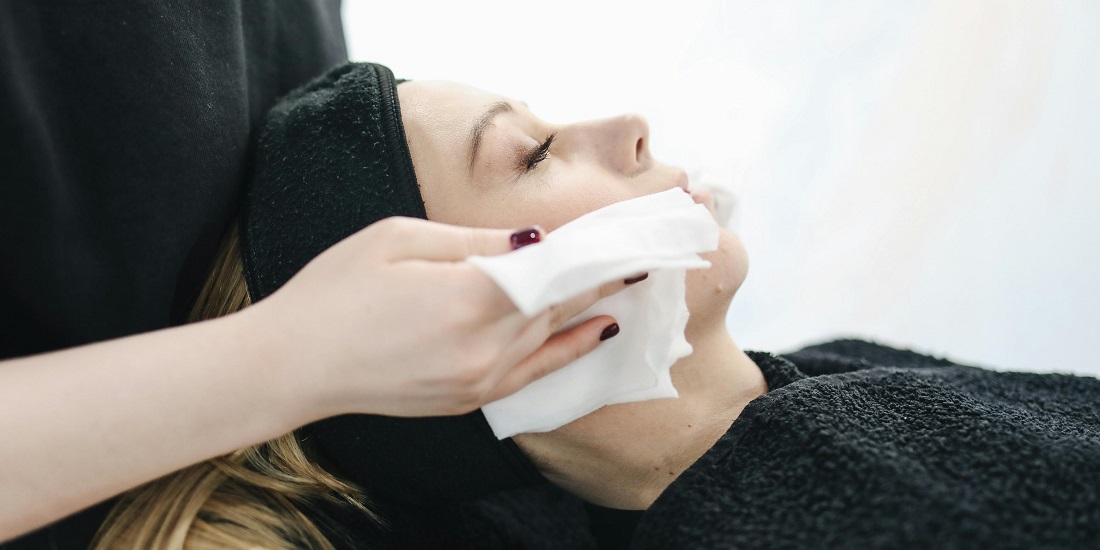
Changes such as redness or mild sensitivity usually resolve within a few days, while with more intensive facial treatments they may last up to two weeks. Every skin reacts differently, but with patience and gentle care it regains balance and normal function.
How long does skin recovery take?
The duration of skin recovery depends on the type of treatment and the skin’s sensitivity.
- After chemical peels, redness and flaking are usually present for a few days, typically between three and seven. With deeper peels, the skin may need up to two weeks to fully recover.
- Laser treatments, such as CO2 laser, often cause stronger redness and a warm sensation. It is normal for the face to remain sensitive longer, sometimes up to three weeks, depending on the laser’s intensity.
- Microdermabrasion is among the gentler methods and usually causes only mild redness that fades within a day or two.
In most cases, skin reactions are temporary and improve with proper care, while persistent sensitivity requires professional advice.
What steps should be taken after treatment?
The first hours and days after treatment are the most sensitive period for the skin.
- During this time, it is important to avoid direct sun exposure and sauna visits, as heat further dilates blood vessels and increases redness.
- The face should be cleansed only with gentle products free of soap, alcohol, or fragrance, to preserve the skin’s natural barrier function.
- Hydration is one of the most important steps. Creams and serums with ingredients like hyaluronic acid and panthenol are recommended if you notice signs that your skin is lacking hydration. These ingredients bind water and calm the skin without adding stress.
- Special attention should be given to UV protection. A cream with physical filters such as zinc oxide or titanium dioxide is a good choice, as it reflects sunlight and does not cause extra irritation. This helps prevent pigmentation and speeds up recovery.
Morning and evening routines can help the skin recover after intensive facial treatments
Home care plays a key role in helping the skin regain balance faster. In the morning, it is enough to gently cleanse the face with a sulfate-free product, followed by a moisturizer containing ingredients such as hyaluronic acid or ceramides, which restore the skin barrier. Sun protection is essential, and avoiding mistakes when using SPF is important, as UV rays can easily cause pigmentation on a weakened epidermis.
In the evening, the routine should be even simpler: gentle cleansing, then a richer soothing cream or balm, and if needed, cold compresses to reduce redness and heat. Products with panthenol are recommended, as they calm the skin and support tissue regeneration. On the other hand, retinol, acids, and products with alcohol may cause irritation and slow down recovery, so it is better to postpone their use until the skin becomes more stable.
Soothing home treatments that can further calm the skin
Soothing treatments at home can greatly ease the skin’s recovery period.
- Thermal water sprays can calm the skin after a procedure. Meanwhile HOCl sprays provide antibacterial action and reduce the risk of irritation or minor infections.
- Cold compresses are a simple and effective way to relieve redness and a warm sensation right after treatment.
- Blue or red LED light can help reduce inflammation and speed up skin recovery, but this therapy should only be applied once acute sensitivity has subsided, usually a few days after treatment.
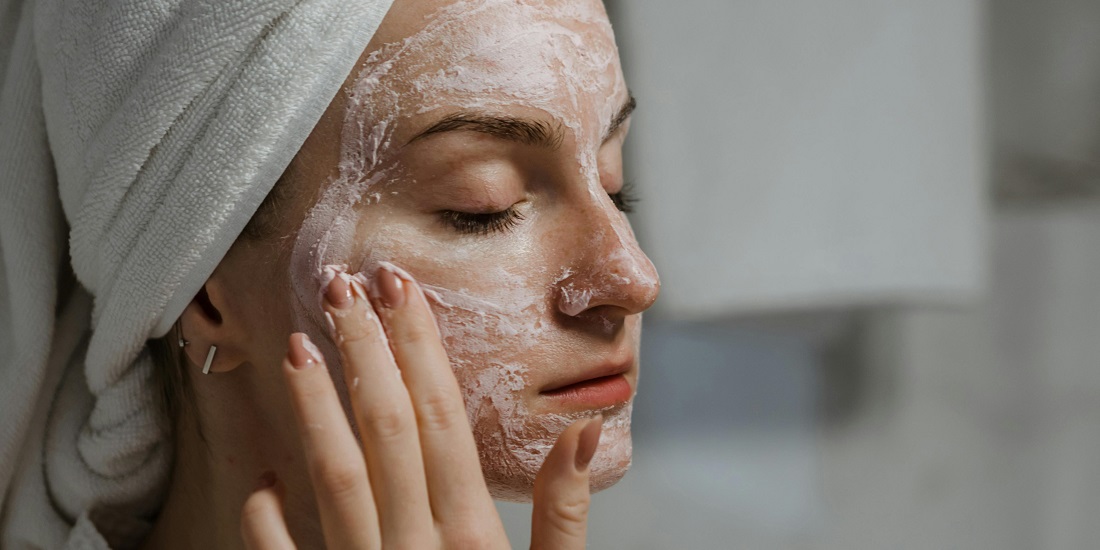
- Nourishing masks or serums with ingredients like hyaluronic acid and ceramides can be added to the routine when flaking stops, as extra support helps the skin rebuild.
Nutrition and habits that speed up recovery
The speed of skin recovery depends not only on external care but also on what we put into the body.
- A diet for healthy skin, rich in vitamins C and E, supports tissue regeneration and strengthens antioxidant protection because healthy skin starts with food.
- Adequate water intake is equally important, as it hydrates cells from within and supports the skin’s natural barrier.
- Sleep and quality rest allow the body to regenerate overnight.
Stress, on the other hand, raises cortisol levels, which can slow healing and trigger additional inflammation. This is why combining healthy nutrition, hydration, rest, and stress reduction is the best way to help the skin regain balance more quickly.
The most common mistakes after intensive treatments
After intensive treatments, many people make mistakes that can slow skin recovery.
- Touching the face or scratching the surface may introduce bacteria and cause infection. It can also leave scars, since the skin is more sensitive than usual.
- Another common mistake is using strong active ingredients too soon, such as retinol, AHA, or BHA acids, which can further irritate the skin and prolong redness.
- Some also make the mistake of going to the gym immediately or exposing the face to sweat, as this may worsen irritation and delay regeneration.
- Washing too often with harsh products or exfoliating in the early days after a procedure also damages the barrier and delays recovery.
By avoiding these mistakes, the face can recover faster and more safely, while the results of the treatment will last longer and look better.
When to seek professional help
There are situations when it is best to consult specialists instead of relying only on home care.
- If redness, burning, or pain do not subside after several days, it may mean the skin needs professional evaluation.
- If signs of infection appear, such as pus, severe swelling, or warmth in the treated area, it is important to seek help immediately.
- If breakouts persist for more than two to three weeks or get worse, this may point to irritation, acne caused by improper care, or an allergic reaction.
If you notice any of these symptoms, aesthetic clinics in Belgrade can provide appropriate assistance. A professional consultation is valuable because a doctor can create a personalized recovery plan, adjust products, and prevent long-term complications. This way, the skin gets the support it needs most at that moment.
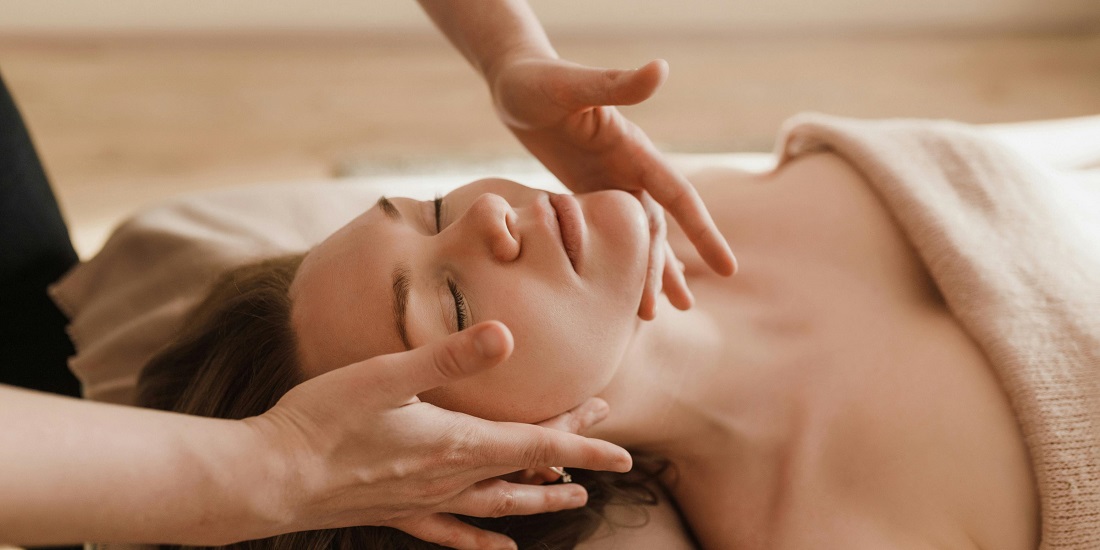
These simple steps can help your skin recover after intensive facial treatments
Recovery after intensive facial treatments requires patience and consistent care. The key lies in simple steps such as sun protection, a gentle cleansing routine, and regular hydration. Nutrition rich in essential nutrients, sufficient water intake, and healthy lifestyle habits strongly influence the speed of regeneration. When all these elements come together, it is possible to help your skin recover after intensive facial treatments. Still, every skin reacts differently and deserves an individual approach. If you notice that discomfort lasts longer than usual or the condition worsens, professional support provides safety and helps achieve the healthiest and most beautiful result possible.