
Pimples after a facial: Expected reactions vs. warning signs
 +381 64 4184 444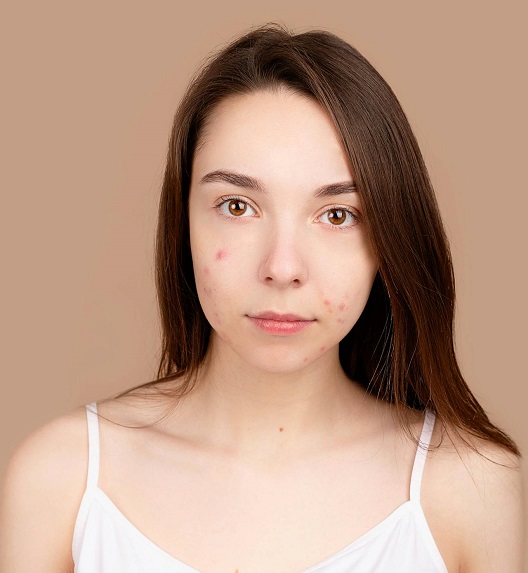
In most cases, a professional treatment can help facial skin look cleaner, more hydrated, and softer. However, pimples after a facial are not unheard of. This can cause concern, especially if immediate glow and smoothness were expected. The skin goes through changes because treatments boost circulation, open pores, and remove impurities trapped deeper beneath the surface. These reactions can be a natural part of the recovery process. Some people notice small spots or mild redness. Others develop pimples that last for a few days. It all depends on skin type, pore condition, and the type of treatment performed. It’s important to understand how the skin responds and what happens beneath the surface when it’s activated. This helps you manage the changes and take better care of your skin in the following days
Identify the cause of facial skin changes
After a facial treatment, the appearance of pimples doesn’t always mean the treatment was “harmful.” Sometimes it’s a temporary skin purge, while other times it may be irritation or a hormonal reaction. To know how to respond, it’s important to understand the differences.
- Purging happens when a treatment speeds up cell turnover and pushes pore contents to the surface. This often causes small breakouts in areas where you’ve had issues before—like the chin, forehead, or nose. This reaction is common with retinol, acids (AHA/BHA), or treatments that affect skin renewal. It usually lasts a few days to two weeks and fades without added redness or swelling.
- Hormonal breakouts mostly appear in the lower third of the face—along the jawline, chin, or neck—and follow the monthly cycle. They can also happen without any treatment. These pimples tend to be deeper, more painful, and slower to heal. If breakouts happen around the same time each month and come with mood swings, cycle changes, or stress, the treatment may not be the cause.
- Irritation can show up if pimples appear in places where you’ve never had acne. If you also feel itching, burning, tightness, or notice redness, the treatment may have been too strong or a certain ingredient may have triggered a reaction. Irritation tends to get worse if you keep using the same products and doesn’t go away quickly.
What if the pimples on your face are a reaction to facial treatment?
If you notice pimples appearing very soon after the treatment—usually within one to three days—they may be linked to the procedure itself. They often show up exactly in the treated areas and are followed by a feeling of tightness, slight dryness, or redness. If there are no signs that the changes match your hormonal cycle or existing acne patterns, this further suggests the reaction was caused by the treatment or a new product.

If your skin starts to improve within a short period, it’s a clear sign there’s no need to worry. However, if irritation lasts longer than a week, or if the pimples worsen or become painful, a professional evaluation is recommended.
Treatments that most often cause pimples and how to adapt them to your skin
Some facial treatments improve the appearance of the skin but can still cause pimples, especially in sensitive skin. Treatments that are often too intense for sensitive skin include:
- Chemical peels remove dead skin cells, stimulate renewal, and brighten the complexion. However, they may irritate the skin if too strong or if the skin isn’t properly prepared. Retinol works deeper, boosts collagen production, and speeds up renewal, but it should be introduced gradually to avoid irritation.
- Microdermabrasion removes the skin’s surface layer and boosts circulation. Most people experience mild redness that fades quickly. However, if active acne is present, it may worsen the condition.
- Laser treatments (such as Fraxel, IPL, or CO2 laser) work deep in the dermis to stimulate collagen regeneration and reduce scarring. Still, laser stimulation can trigger temporary inflammation and breakouts, especially in people with combination or oily skin. A proper recovery period and calming aftercare are essential.
- Microneedling creates micro-injuries in the skin to boost regeneration. Though effective for scars and pores, it may cause small breakouts in the days after treatment if the skin isn’t clean or if there is an active infection. Sterile tools and correct post-treatment care are crucial.
- Profhilo is an injectable treatment that uses stabilized hyaluronic acid to improve tone and hydration. Although gentle, some people may experience small local reactions or pimples around the injection points, which usually resolve in a few days. For a gentler approach, mild acids like mandelic or lactic acid and low-concentration retinol are used.
Some aesthetic clinics in Belgrade with experience in treating different skin types know how to tailor the treatment and reduce the risk of irritation.

Mistakes after a treatment that worsen skin condition
After a facial, the skin becomes sensitive and needs careful care.
- Washing too harshly or rubbing the skin can damage the protective barrier and lead to more breakouts.
- Touching your face during the day easily spreads bacteria and clogs pores.
- If you make mistakes when using SPF, sun exposure can cause irritation, hyperpigmentation, or prolonged inflammation.
- Unclean equipment in salons can cause infection or skin inflammation. If tools aren’t properly sterilized, the risk of inflamed breakouts increases. That’s why staff must use clean gloves and disinfected materials.
- Wearing makeup right after a treatment should be avoided. It can block pores and delay healing. Heavy foundations or powders can add further irritation.
- It’s necessary to properly combine cosmetic products without causing irritation after treatment. Otherwise, strong ingredients may cause redness, burning, or severe inflammation.
Skincare tips to help you deal with pimples after a facial treatment
If pimples appear after a treatment, the skin needs gentle, calming care. It’s vital to choose the right cream for your face—fragrance-free, non-comedogenic, and light gels or serums. Avoid strong creams and alcohol-based products. Ingredients like benzoyl peroxide, high-strength retinol, or strong acids may worsen the condition and cause further irritation.
- HOCl spray and thermal water help reduce redness and inflammation.
- Barrier creams with hyaluronic acid and panthenol help restore the skin’s protective layer.
- LED therapy with blue, red, or purple light supports regeneration and reduces inflammation, while calming masks and cold compresses ease pain and discomfort.
- Cold compresses using ice can also help. Hold the compress for 1–2 minutes at a time, not directly on the skin, and no longer than 10 minutes continuously.
A sample skincare routine can be simple but effective. In the morning, wash the face with a mild cleanser, apply HOCl spray, a light hydrating gel, and sunscreen. In the evening, cleanse again, use thermal water or spray, then apply a barrier cream or panthenol gel to soothe and repair the skin. Avoid retinoids, acids, and exfoliants for at least 7 to 14 days after the treatment, until the skin has fully calmed down.
How long do pimples last after a treatment?
After milder treatments, such as surface peels, pimples usually go away within 5 to 7 days. With more intensive procedures, like medium-depth chemical peels, recovery may take up to 10 days. If the pimples don’t clear after a week, it could be a sign of stronger irritation or the development of inflammatory acne.
Persistent, painful, or pus-filled pimples may be a sign of cystic or nodular acne. These conditions rarely improve without professional help. If the skin doesn’t calm down and you notice swelling, intense itching, or spreading breakouts, the treatment likely didn’t suit your skin type.
It’s time to see a specialist if the pimples:
- last longer than 10 days
- become painful
- leave dark spots
A quick response helps prevent acne scars and long-lasting redness. Timely evaluation by aesthetic professionals always leads to a better solution.
How to understand your skin’s needs after a treatment
Pimples after a facial can be unexpected, but in most cases, they go away quickly. The skin goes through a process of renewal and cleansing, and mild reactions are often temporary. Proper aftercare plays a key role in how the skin recovers. It’s important to tell the difference between temporary purging and irritation, as each requires a different approach. Gentle care, sun protection, and avoiding harsh ingredients help calm the skin more quickly. Every skin type is different, so what works for one person may cause discomfort for another. If pimples persist, become painful, or the condition worsens, expert advice can help you find the best solution. Skincare is not just about a one-time or occasional treatment—it also includes the daily attention we give to our face.