
Inflammation of the frontal and maxillary sinuses: Differences in symptoms and treatment
 +381 64 4184 444
The sinuses are small cavities in the skull that aid breathing and filter air. When infection or inflammation occurs, it can lead to inflammation of the frontal and maxillary sinuses. The frontal sinus is located above the eyes and often causes pain and pressure in the forehead. The maxillary sinus is located in the cheek area and frequently creates a feeling of heaviness and discomfort in the jaw and teeth. These inflammations are common because the sinuses connect to the nose and easily react to colds, allergies, or bacteria. Symptoms usually appear after a simple respiratory infection, when mucus cannot drain freely. Early recognition of issues such as pain, nasal congestion, or discharge helps begin proper treatment in time and prevents complications.
Differences between the frontal and maxillary sinuses
Paranasal sinuses are air-filled cavities within the skull bones. There are four types (frontal, maxillary, ethmoid, sphenoid), and different approaches are used when problems occur in each type. The frontal and maxillary sinuses have specific roles that distinguish them from the others. The frontal sinus supports mucus drainage and aids in air filtration. The maxillary sinus performs similar functions but also influences voice resonance.
Sinuses contribute to a lighter skull structure and reduce its overall weight. They also help moisten and warm inhaled air, assist in filtration, and provide protection against impacts. Their connection with the nose allows easier drainage but also makes them more vulnerable to infections.
Most common causes of frontal and maxillary sinus inflammation
Various factors influence the occurrence of sinus inflammation (sinusitis):
- The most common causes include viral and bacterial infections. In viral cases, symptoms last about 10 days, while bacterial sinusitis can persist longer, often up to four weeks or more. Fever typically occurs with bacterial infections, while in milder or viral forms, it may be absent. The presence of fever, combined with prolonged symptoms, may indicate the need for further examination and treatment.
- Allergies and nasal polyps can also trigger sinus inflammation by irritating the mucosa and blocking mucus drainage.
- Additionally, a nasal septum deviation often contributes to sinus inflammation. A crooked septum hinders airflow and sinus drainage, leading to mucus retention and irritation.
How to distinguish symptoms
Differentiating the symptoms of frontal and maxillary sinusitis is possible at home if the discomfort is carefully monitored. Frontal sinusitis usually presents with pain and pressure in the forehead, while the maxillary type causes discomfort in the cheeks, jaw, or teeth. The location of the pain is an important indicator for distinguishing between the two forms.
Symptoms of frontal sinusitis
Frontal sinusitis most often causes pain and pressure in the forehead area. Headaches usually appear above the eyes and worsen when a person bends forward. These symptoms occur due to blocked sinus openings and mucus buildup, which create additional pressure on the mucosa. In the acute form, discomfort usually lasts up to 10 days but can continue for 3–4 weeks. When symptoms persist longer, it may indicate chronic inflammation or the need for further examination and treatment.

Symptoms of maxillary sinusitis
Pain in the cheeks and teeth often accompanies inflammation of the maxillary sinus. People feel pressure in the jaw and cheekbones, and these sensations may originate from the sinuses rather than the teeth themselves. Postnasal drip is another sign, as poor drainage of the upper sinuses irritates the throat and causes a sensation of mucus dripping.
It is important to distinguish between sinus and dental infections. In sinus infection, pain spreads across several teeth, usually in the upper jaw, and intensifies when bending the head forward. A dental infection, on the other hand, causes localized pain in a single tooth, which worsens with pressure or chewing. Sinus-related pain may even be reflexive, since the nerves of the sinuses and teeth are closely connected.
When is professional evaluation necessary?
Increased pain or pain that spreads to other parts of the face, especially toward the eyes or teeth, signals the need for professional evaluation. High fever combined with swelling around the eyes requires urgent medical attention. Recurrent sinus infections, occurring several times a year, also require professional assessment and possibly deeper investigation.
- For frontal sinusitis, a doctor should be consulted if a severe headache appears, does not subside, and disrupts daily functioning.
- For maxillary sinusitis, an examination is indicated when tooth pain does not improve and is accompanied by nasal congestion—such symptoms may suggest complicated sinus drainage or a potential dental origin.
The diagnosis of sinusitis is established after an ENT examination, while radiological methods are used in cases of prolonged discomfort or suspicion of complications.
- Sinus ultrasound can serve as a quick and safe method, especially for children and pregnant women, since it does not use radiation.
- An X-ray of the sinuses is applied for basic assessment, most often to detect the presence of fluid or mucosal thickening.
- For the most detailed insight, a CT scan is used, as it shows the complete anatomy of the sinuses and reveals changes such as chronic inflammations, polyps, tumor formations, or complications. CT is also the standard method when planning surgical interventions, as it provides the doctor with precise orientation and helps determine the next steps in treatment.
Inflammation of the frontal and maxillary sinuses requires targeted treatment
The use of conservative sinus treatment plays a key role in treating both frontal and maxillary sinusitis. However, in more severe cases of maxillary sinusitis, sinus puncture is performed — a procedure that allows evacuation of accumulated fluid or pus and direct application of medication (antibiotics or corticosteroids) through a thin needle. This intervention is performed on an outpatient basis, under local anesthesia, and often provides rapid relief from symptoms.
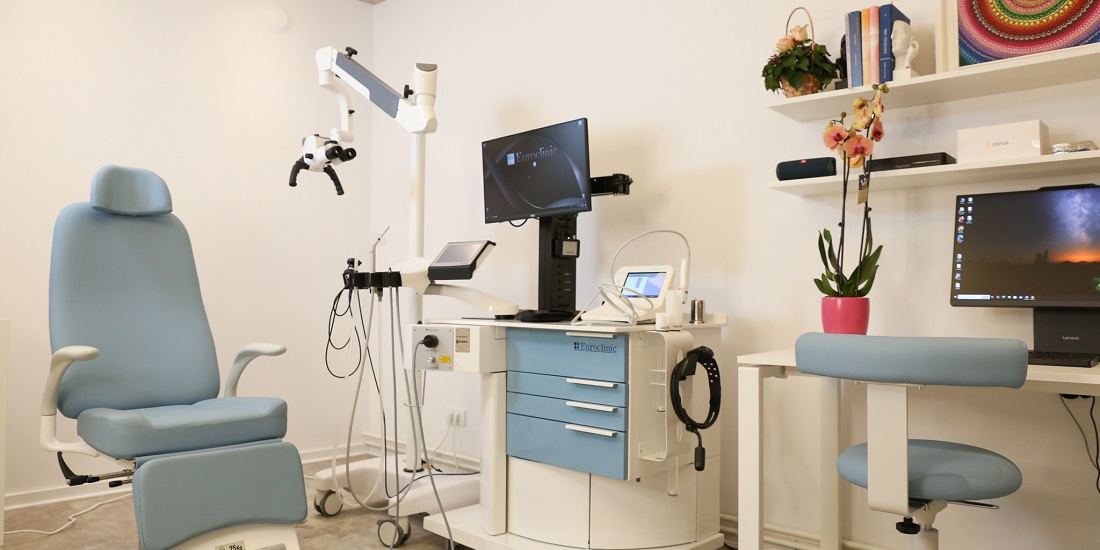
In chronic frontal sinusitis, regular conservative treatment sometimes does not achieve the desired effect. In such cases, endoscopic sinus surgery (FESS) may be considered. This minimally invasive surgical technique allows precise widening or opening of the natural sinus channels and restoration of drainage. Due to its effectiveness, FESS is the standard choice for persistent or anatomically complicated cases of sinus inflammation.
Complications that may arise if the problem is not treated on time
Untreated sinusitis, whether frontal or maxillary, can progress into a chronic form, which often requires long-term therapy. Frontal sinusitis carries a higher risk of infection spreading to the brain, potentially leading to serious conditions such as:
- Meningitis — inflammation of the brain membranes that can result from sinus infection spread.
- Cerebral or subdural abscess — accumulation of pus in the brain or its membranes.
- Cavernous sinus thrombophlebitis — inflammation of the vein behind the eyes with clot formation.
Maxillary sinusitis more often leads to complications in the nearby structures, such as teeth, jaw and middle ear. These complications may result in ear inflammation or dental problems. In both cases, the infection may also spread to the bronchi, causing bronchitis or obstructive respiratory issues. A rare but significant complication is the so-called silent sinus syndrome, which develops gradually and without pain, leading to the collapse of the maxillary sinus walls and pulling the eye socket, resulting in eye misalignment and blurred vision.

Prevention of frontal and maxillary sinusitis
Maintaining sinus health relies on several preventive measures that are equally important for both types of inflammation. Frontal sinusitis can often be triggered by sudden temperature changes, while maxillary sinusitis is frequently linked to dental infections, making regular dental check-ups an important preventive step. In addition, there are daily habits that strengthen the immune system and lower risks:
- regular nasal hygiene and rinsing with saline solution
- adequate fluid intake
- healthy diet
- quality sleep
- avoiding tobacco smoke and dry air
- timely treatment of colds and allergies
A practical path to healthy sinuses
Sinus health greatly affects daily life and overall well-being. When inflammation of the frontal and maxillary sinuses occurs, the discomfort can be unpleasant, but with the right approach, it can be successfully reduced and controlled. Timely recognition of symptoms such as forehead or cheek pain, nasal congestion, and difficulty breathing helps reach proper treatment faster. Professional support can also help — our team at Dr Prlja Medical in Belgrade has many years of experience in diagnosing and treating these conditions. Regular nasal hygiene, proper nutrition, and immune care reduce the risk of recurring inflammation. In addition, allergy control and regular dental check-ups play an important role in prevention. If symptoms last longer or worsen, consulting a specialist is the best choice for maintaining health. Timely treatment brings relief and allows daily activities to continue without obstacles.