
How to know if it’s time for your first anti-age treatment?
 +381 64 4184 444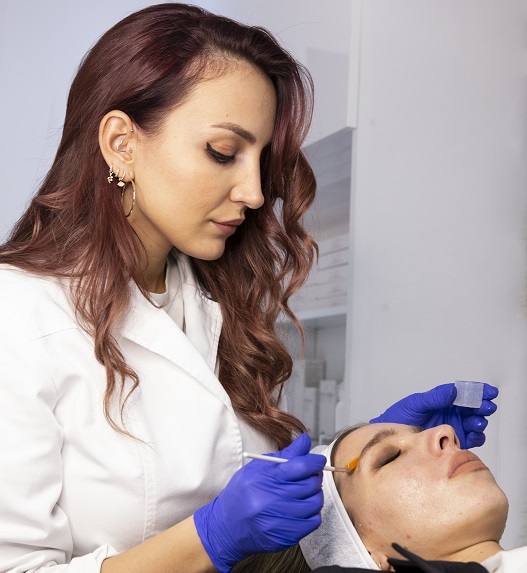
The skin changes gradually and often unnoticed until one day we realize it is no longer the same. Fine lines, loss of radiance, and reduced elasticity usually make us wonder when the right time for the first anti age treatment is. For some, that interest begins in their thirties, while others start thinking about it earlier. Is it too soon to consider anti age treatment in your early twenties? Not always. It all depends on lifestyle, genetics, and habits. Skin care is not a luxury but a part of healthy routines, just like regular sleep or a balanced diet. Preventive care can slow down changes and help the skin stay fresh longer. A moderate approach and consultation with a professional ensure that treatment results look natural and become part of self-care, not a sign of age.
The first signs of aging you should not ignore
Fine lines around the eyes and lips are often the first sign that the skin is losing elasticity. They appear because the production of collagen and elastin—proteins that keep the skin firm and tight—slows down with age. At the same time, the skin becomes thinner and drier as it loses the ability to retain moisture. Changes may appear earlier in people who:
- spend a lot of time in the sun without protection
- sleep less than seven hours
- experience constant stress
UV rays and stress release free radicals that damage cells and accelerate the loss of tone. Healthy skin starts with food, so a proper diet and enough water intake help the skin regenerate and maintain its glow. It is not too early for the first anti age treatment if you notice the first signs of fatigue, nor too late when your skin needs extra support to restore balance and vitality.
How much do genetics and habits affect appearance?
Both genetics and lifestyle habits influence the aging process, but not equally. Hereditary factors determine the rate of cell renewal, collagen levels, and skin thickness. If parents had thinner and drier skin, their children are likely to notice wrinkles earlier as well. Still, habits that accelerate skin aging often have a greater impact.
Pušenje sužava krvne sudove i smanjuje dotok kiseonika u tkivo, dok alkohol dehidrira i pojačava upale. Izloženost suncu bez zaštite ubrzava razgradnju kolagena i izaziva foto-starenje, vidljivo kroz bore i tamne fleke. Pravilna nega, uz dovoljno sna i vode, može ublažiti genetske sklonosti.
How to know it is time for your first anti age treatment?
The right moment for treatment is not determined by age but by the condition of your skin. When you notice that, despite regular care, your face looks tired, your skin feels drier, and fine lines remain, it may be a sign that it needs extra support. In such cases, gentle facial treatments provide the best results because they work preventively rather than correctively.

In a professional anti age center, a specialist will recommend the right treatment based on your skin type, lifestyle, and hormonal changes. Treatments are usually performed in series, and the intervals between them depend on the expert’s recommendation. There is no need to rush – it is important to let the face recover between procedures. The best time for the first anti age treatment is when you feel ready to introduce a new, mindful approach to caring for your appearance and health.
How to choose the right treatment to start with?
When you first start thinking about anti age care, it is best to begin slowly with mild procedures. The skin benefits most from treatments that hydrate and restore elasticity, such as:
- Facial mesotherapy improves hydration and elasticity by delivering vitamins and hyaluronic acid directly into the deeper skin layers.
- Facial biorevitalization stimulates the skin’s natural regeneration and restores its tone by encouraging collagen and elastin production.
- Gentle chemical peel removes the surface layer of dead cells, helping the skin look fresher and smoother.
These treatments do not change the facial features but restore freshness and firmness. The choice of treatment depends on your skin type and lifestyle – if your skin is oily, sebum production should be controlled, and if it is dry, deep hydration is essential.
Needle-free treatments can be a good start because they are gentle and do not damage the skin’s natural barrier. If you have acne or sensitive skin, that is not a limitation — it simply requires a more careful selection.
How to choose the right specialist or clinic?
The right clinic or specialist can make the difference between unnecessary risk and successful, natural skin support. When choosing, pay attention to the team’s licenses, experience, and the clinic’s hygiene standards. During the first consultation, be ready to ask about the treatment plan, recovery time, and what the procedure specifically includes. It is important to receive realistic advice, not a universal package offered to everyone.

If you notice that the specialist shows no interest in your habits, skin type, or expectations, that is a sign to seek a second opinion. Ideally, the specialist should adapt the treatment to your habits and needs instead of using the same approach for everyone. A professional and attentive approach increases the chances that your first anti age treatment will enhance your appearance rather than cause a sudden change.
Common mistakes to avoid when getting a facial treatment for the first time
Mistakes most often happen when treatments are combined without a plan. This can easily irritate the skin and slow down recovery.
- Having unrealistic expectations can also lead to disappointment, as the first treatment brings only subtle improvement.
- Follow post-procedure care instructions carefully. Sun protection should become part of your daily routine, and you should avoid common mistakes when using SPF. Stay away from direct sun exposure, saunas, and strong acids until your skin strengthens.
- Chemical peels can temporarily increase photosensitivity, making protection especially important.
- Mesotherapy may cause temporary redness, swelling, or small bruises.
- Biorevitalization might need to be postponed if there are infections, active herpes, or a tendency to form keloids.
- Do not use harsh products immediately after treatment. A gentle cleanser and proper hydration support faster recovery. Plan for enough sleep, hydration, and a balanced diet.
- Smoking and alcohol can slow regeneration and reduce treatment effects.
If you experience severe stinging, rash, or worsening of your condition, contact a professional. This helps reduce risk and protects your skin’s health.
How to maintain results and care for your skin after treatment
Proper post-treatment care makes the difference between short-lasting and long-lasting results.
- Good hydration allows skin cells to function properly.
- Adequate sleep and a balanced diet support regeneration; without them, the production of elastin and hyaluronic acid slows down.
- It is advisable to visit a specialist every few months for a check-up to monitor your skin’s condition and adjust the care plan.
- Combine professional treatments with daily skincare — for example, use a serum with hyaluronic acid or antioxidants, and repeat the professional treatment once or twice a year.
With the right support, the effect of the treatment can last six to twelve months, and even longer with consistent care. Small, steady habits — sun protection, safe skincare products, regular routine, and consistency — build lasting skin quality.

When to postpone your first anti age treatment
There are situations when it is better to wait before starting anti age treatments.
- During pregnancy and breastfeeding, hormones strongly affect the skin, which can lead to pigmentation changes, rashes, or increased sensitivity. Many substances used in aesthetic procedures are not recommended during this period, as they may cause reactions that would not normally occur.
- If you have active inflammation, acne, or infections, treatment could worsen the condition and slow down healing.
- The same applies to people taking antibiotics, corticosteroids, or medications that affect the immune system.
- During stressful periods, the body regenerates tissues more slowly and produces less collagen, so it is better to focus on nutrition, sleep, and rest.
Once the skin stabilizes again, treatment results will be better and longer lasting. It is always wise to listen to your body — it often signals when it needs a break and when it is ready for rejuvenation.
Start when your skin tells you to
Every skin has its own rhythm and does not age in the same way. Some people notice the first changes earlier, while for others they appear later. It is important to act when your face starts showing signs that it needs support. The first anti age treatment does not change your face — it restores freshness and natural balance. It is a step toward a healthier and more cared-for appearance, not a sign of age. The best results come when the process is planned and guided by a professional. Through an open conversation, you can learn which approach and care pace suit your skin type best. Self-care does not need to be sudden or expensive — consistency and giving your skin what it truly needs are enough.