
How stress affects your skin
 +381 64 4184 444
In today’s fast-paced world, stress has become a constant companion for many. Most of us experience it in some form – at work, at home, in traffic, or when making important decisions. While we often associate stress with mental health, it’s important to recognize that stress affects your skin more than we might realize. At Dr Prlja Medical Clinic in Belgrade, we frequently observe how emotional pressure is reflected on the face. Dry skin, acne, itching, or redness are not just cosmetic concerns – they are often signals that the body is trying to cope with internal imbalance. Below, we explain how stress affects the body, the most common skin conditions caused by stress, and how to recognize when your skin is being impacted by emotional strain.
What happens in the body when we’re stressed?
Stress triggers a wide range of physiological reactions. The brain perceives danger and activates the “fight or flight” response. Hormones like cortisol and adrenaline play a key role in this process, helping the body respond to challenges. However, when stress becomes chronic, these hormones can start to cause harm – especially to the skin.
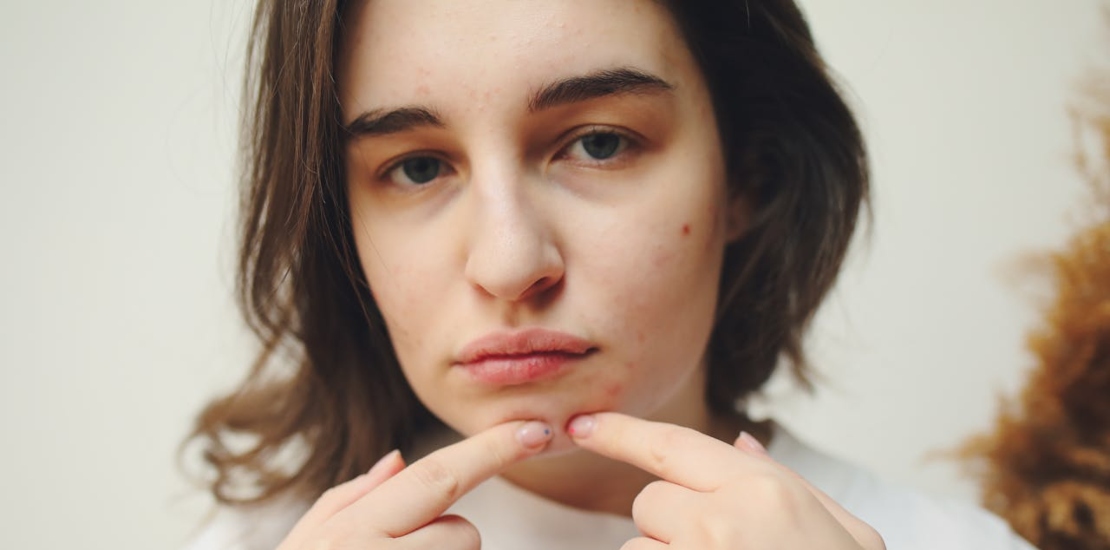
Here’s what specifically happens:
- Cortisol raises blood sugar levels and promotes inflammation.
- The skin’s protective barrier weakens, making it more vulnerable.
- Sebum production increases, which can clog pores and lead to acne.
- Circulation in the skin’s surface layers decreases, making the skin look pale and tired.
These changes may not be immediately noticeable, but over time, they compromise the skin’s healthy appearance.
The connection between stress and skin health
The skin and brain are connected through the same embryonic layer – the ectoderm. This means that when the brain sends stress signals, the skin “hears” them. Stress doesn’t just affect us internally—it also alters our behavior. Less sleep, poor diet, and skipping skincare routines can all make the situation worse. For example:
- People under stress often use more makeup to cover up changes, which puts additional strain on the skin
- The skin’s pH balance can shift, reducing its ability to protect itself from bacteria
- Some individuals may develop stress-related rashes, even without any clear physical cause
All of this highlights the importance of not ignoring the signals your face and body are trying to send you.
Common skin problems caused by stress
Stress can worsen existing skin conditions and also trigger new ones. Some issues appear suddenly, while others develop gradually. The most common symptoms include:
- Acne and blackheads – especially around the chin and forehead
- Eczema – red, dry patches that itch and peel
- Seborrheic dermatitis – flaking and redness on the scalp and around the nose
- Psoriasis – flare-ups in people with a prior diagnosis
- Allergic rashes – even without contact with known allergens
In such cases, it’s important to combine dermatological treatment with stress-reduction strategies. This way, you’re addressing both the cause and the symptoms, since it’s clear that unmanaged stress negatively impacts the skin.
Psychodermatology – When emotions affect your skin
Psychodermatology is a specialized field of medicine that explores how emotions and mental health impact the skin. An increasing number of studies confirm that stress, anxiety, and depression are linked to various skin conditions. At the same time, skin problems can further worsen one’s emotional well-being. People struggling with skin issues often experience:
- Feelings of shame or avoidance of social interactions
- Decreased self-esteem
- A need to excessively control their appearance
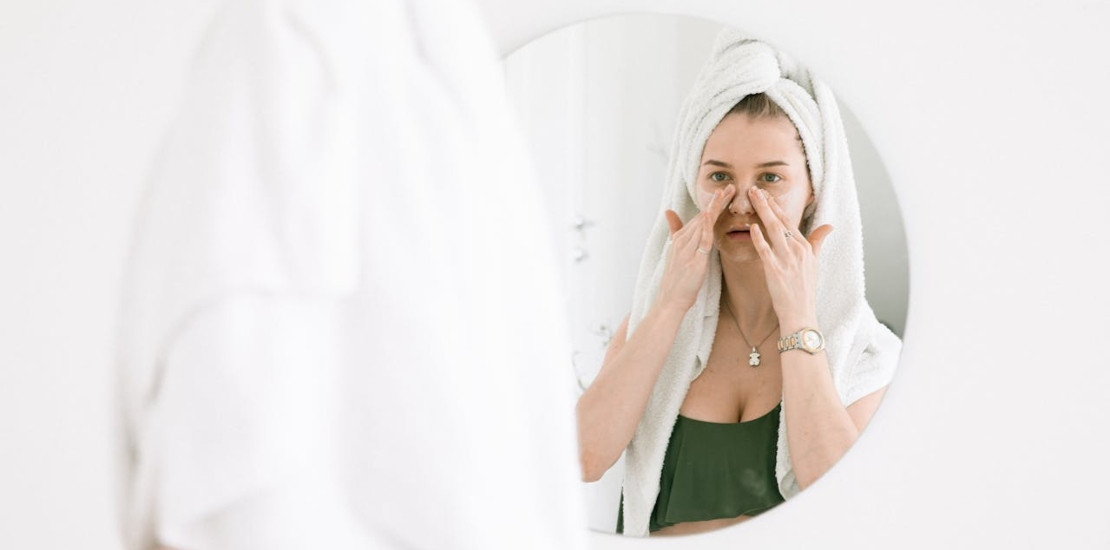
That’s why treating the skin alone is not enough – a holistic approach that includes emotional support is essential. In many cases, it is the combination of psychological stability and dermatological care that delivers the most lasting results.
How to recognize that your skin is suffering from stress
It’s not always easy to draw a direct connection between stress and skin symptoms. However, the body has its own way of signaling when something is out of balance, and the skin is often the first to show it. Pay attention if:
- Skin problems appear or worsen when you’re under pressure
- Your skin feels like it can’t “breathe” even though you follow your regular routine
- Dry skin becomes extremely sensitive and cracks easily
- You’re breaking out, even if you’ve never had acne before
If any of this sounds familiar, it’s a clear sign that your skin is sending a message. That’s the moment to slow down, listen to your body’s needs, and seek the right support.
Tips for protecting your skin during stressful periods
In moments when stress is unavoidable, it’s important to help your skin maintain its balance. Every act of self-care matters – not just for your appearance, but also for your inner sense of control. The right skincare and lifestyle habits can ease the effects of stress and improve your overall well-being. Here’s how to begin:
Start with the basics
Basic skincare generally includes:
- Washing your face with gentle, alcohol-free and fragrance-free cleansers
- Regularly hydrating your skin – especially at night
- Using SPF daily, even during winter
These small steps can make a big difference when your skin is under emotional pressure.
Consider professional treatments
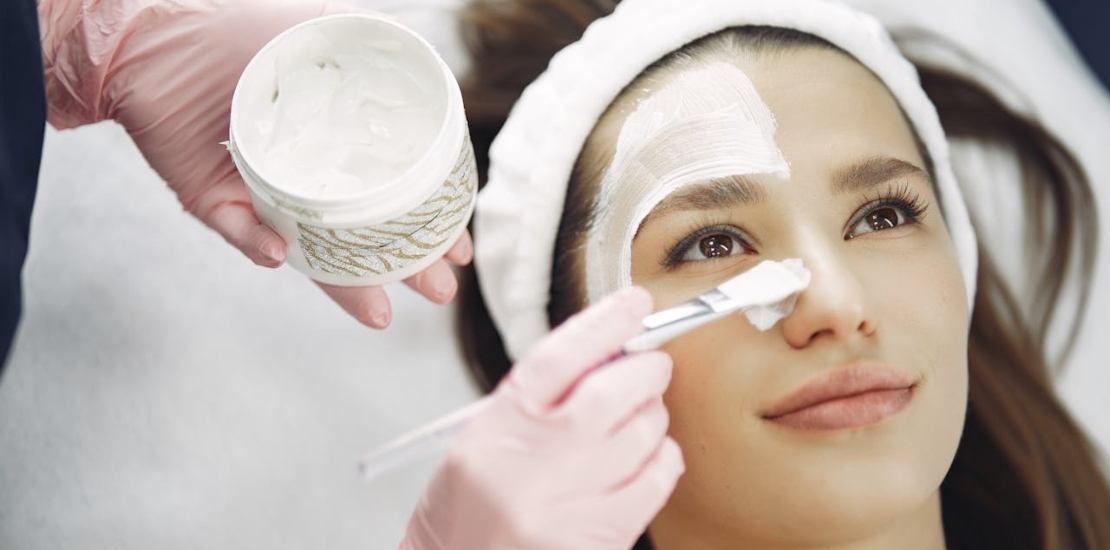
Treatments like skin boosters deeply hydrate the skin and restore elasticity – especially important during stressful phases when the skin tends to lose moisture and radiance. These treatments improve skin texture, reduce the feeling of tightness and fatigue, and give the skin a healthier, more refreshed appearance. When applied regularly, they help maintain an even tone and natural glow.
On the other hand, hyaluronic fillers can effectively smooth fine lines and wrinkles, which often become more pronounced under emotional strain. These treatments not only enhance appearance but also support deeper skin regeneration. With professional guidance, fillers can be part of a targeted anti-aging approach that strengthens and revitalizes the skin.
Support your skin from within
There are supplements that contain vitamins specifically formulated to support the health of your skin, hair, and nails. These nutrients help boost collagen production, which is especially important during stressful periods.
Collagen is recommended for those seeking extra support for skin health. In addition, vitamin C, zinc, and omega-3 fatty acids strengthen the skin and help reduce the effects of inflammation. When the body is balanced from within, your skin reflects that balance on the outside.
What’s next now that we know stress affects your skin?
Although we often overlook the physical effects of stress, the reality is that stress affects your skin on a daily basis. Redness, rashes, acne, and flaking aren’t always caused by external factors – they often originate from within. At Dr Prlja Medical, a renowned anti-aging center, we take an individualized approach to each patient, because we understand that healthy skin doesn’t come only from a bottle – it comes from a balance between body and mind.