
How regenerative aesthetics helps your skin age gracefully
 +381 64 4184 444
The skin naturally changes over the years, but the way it ages can be guided. Regenerative aesthetics is becoming the choice for those who want to maintain a natural look while encouraging healthy skin renewal. Instead of masking signs of aging, it stimulates cells to function better, creating long-term results visible from within. Treatments that use the body’s natural resources, such as plasma or collagen stimulators, restore the skin’s tone, elasticity, and healthy glow. This approach helps the skin maintain vitality and adapt to changes gently and gradually. With proper care and professionally guided treatments, it is possible to support the skin’s natural functions and age in a balanced, healthy way.
What regenerative aesthetics involves
Regenerative aesthetics is an approach that activates the skin’s natural renewal mechanisms. Treatments target the cells responsible for producing collagen and elastin, strengthening the skin’s structure and elasticity. Unlike treatments that quickly change the appearance without addressing deeper layers, this method works from the inside out. Most adults can be candidates for such treatments after a professional evaluation at one of the aesthetic clinics in Belgrade, as the approach is tailored to individual needs.

The methods increase collagen production in the dermal layer and stimulate elastic fibers, which is especially beneficial for dry skin, skin with scars, or loss of firmness. Treatments can also be adjusted for areas such as the neck and décolletage, where additional stimulation is often needed. Overall, regenerative aesthetics helps the skin function better rather than merely covering imperfections.
How to help the skin age slowly and naturally?
Skin aging is a natural process, but the way it unfolds largely depends on lifestyle. There is a clear difference between natural and accelerated aging.
- Natural aging develops gradually as the production of collagen, elastin, and hyaluronic acid decreases. The skin then loses fullness, elasticity, and becomes more sensitive.
- Accelerated aging appears much earlier, most often due to sun exposure without protection, mistakes in SPF use, stress, poor diet, and lack of sleep. These factors weaken skin cells and speed up collagen loss.
Regenerative aesthetics helps slow this process in a natural way. It doesn’t try to hide wrinkles but supports the cells that rebuild the skin’s structure. Treatments stimulate the formation of new fibers, improve circulation, and restore tone. With this approach, the skin doesn’t look overly tight but gradually becomes stronger and more resilient. When regeneration occurs at a natural pace, the face maintains youthful freshness and balance between appearance and health.
Most common methods in regenerative aesthetics
Regenerative aesthetics includes a range of treatments that encourage the skin to renew itself naturally.
- One of the most well-known is the PRP treatment, which uses the patient’s own blood plasma rich in growth factors. When the plasma is injected into the skin, it triggers the production of new collagen and elastin, making the skin firmer, more hydrated, and radiant.
- A similar effect is achieved with the PRF treatment, but it releases active ingredients more slowly, which prolongs the results.
- Microneedling relies on microscopic punctures that stimulate regeneration. Combined with nourishing serums, this treatment restores the surface layers of the skin and improves its texture.
- Facial biorevitalization works deeper—by injecting hyaluronic acid, vitamins, and amino acids, it restores elasticity and freshness, especially in dry or tired skin.
- The collagen stimulator acts on a deeper level. Unlike classic fillers that add volume, this treatment activates cells to produce collagen for the face. The result is longer-lasting and more natural.
All these treatments can be adapted to different areas of the face, neck, or décolletage, depending on the skin’s needs. The goal is not to change the recognizable facial expression but to promote a healthy, natural appearance that develops gradually and remains long-lasting.
How many treatments are needed and when results appear
In regenerative aesthetics, it’s important to understand that the skin doesn’t achieve a miraculous effect overnight — the process is gradual because it activates the body’s natural renewal mechanisms.
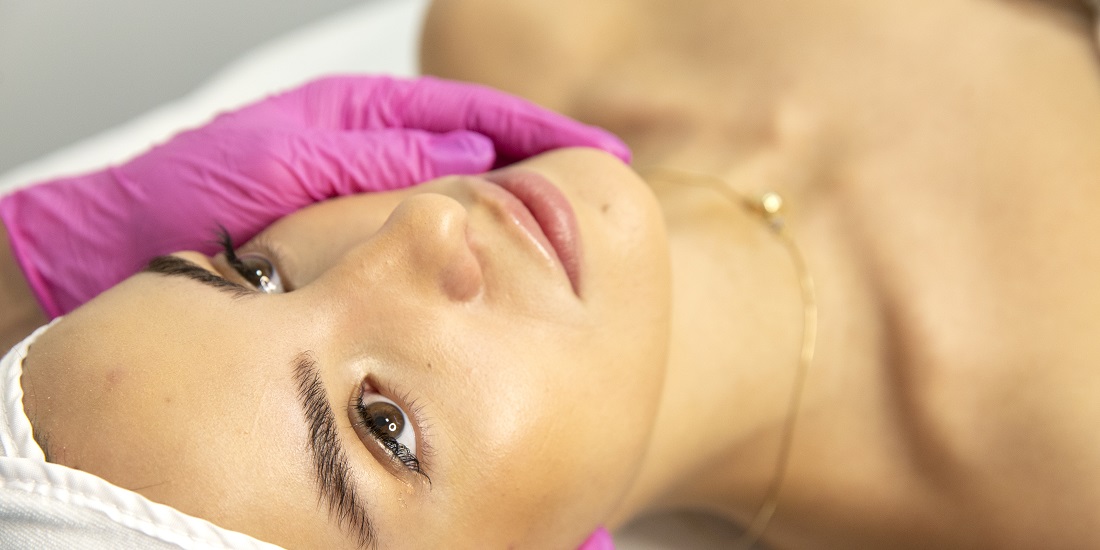
In most cases, a series of about 3 to 4 treatments is recommended, spaced roughly 4 to 6 weeks apart. After the first two to three weeks, initial improvements can already be noticed:
- the skin looks fresher
- the tone is improved
- fine lines are less visible
To maintain results, continued care and possibly repeating the treatment every 6 to 12 months are advised. This consistency helps the effects last longer and allows the skin’s condition to stabilize at a better level. The maintenance schedule can also depend on skin type, age group, and lifestyle, so an individual assessment is essential.
How long recovery lasts and possible side effects
For treatments in the field of regenerative aesthetics, recovery time is usually short and mild, but it’s important to know what to expect. The skin typically recovers within 1 to 3 days — slight redness, minimal swelling, or a warm sensation in the treated area may appear. When the procedure is performed by an experienced professional using proper technique and sterile conditions, unwanted reactions are rare and temporary. Still, even then, you should take care after the session. It’s recommended to avoid for a few days:
- harsh creams
- intense sun exposure and tanning beds
- intense facial treatments (peels, high-stimulation massages)
This approach reduces the risk of bruising, swelling, or irritation, which are possible side effects often related to injections or micro-injuries to the skin. A professionally guided treatment, combined with clear post-procedure care instructions, significantly lowers the chance of complications and allows the renewed skin to reach its full potential without interruption.
Tips for long-term healthy skin aging
Monitoring the skin’s condition helps detect changes early and respond in time. After consulting a specialist and establishing a personalized treatment and home care routine, the skin receives proper support. In more mature years — for example, after the age of 50 — the use of regenerative aesthetics is adjusted: treatments may be gentler, with the priority being to maintain elasticity and restore the skin’s structure.
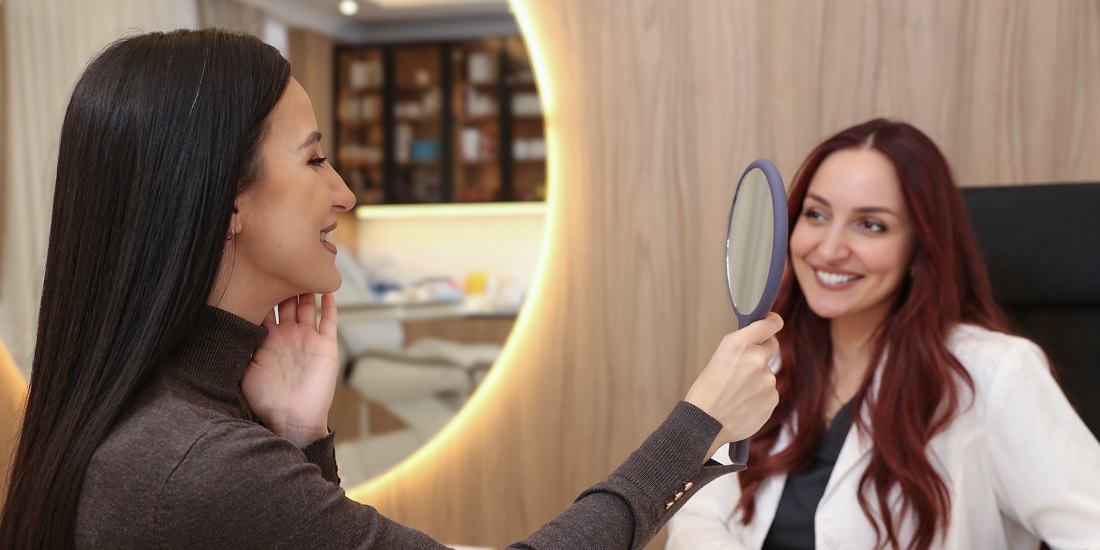
Daily habits such as proper hydration, a skin healthy diet rich in antioxidants, and consistent sun protection play a key role. Investing in quality internal skin care (nutrition, water, sleep) combined with external care delivers lasting results. This way, we can support the skin in aging gradually and healthily, rather than showing signs prematurely or abruptly.
Healthy aging through regenerative care
Healthy aging doesn’t mean fighting time but embracing changes in a way that preserves beauty and balance. Regenerative aesthetics helps the skin stay active, elastic, and resilient by supporting its natural renewal processes. When treatments are performed strategically and according to the skin’s needs, the results are long-lasting and subtle. Consistent care, proper nutrition, restful sleep, and sun protection enhance the effect of each treatment. In this way, the face maintains a natural appearance, and the skin looks rested and well-cared-for. Every step dedicated to skin care is an investment in its health and vitality. Regenerative care doesn’t erase the years but helps carry them with ease and confidence, without signs of fatigue.