
Eye asymmetry: Causes, types, and correction options
 +381 64 4184 444
Eye asymmetry is a common occurrence, and many people only notice it in photographs. People often think that a difference indicates a problem, but small differences exist in most faces. The camera angle and lighting can emphasize one side, making the eye appear smaller, even though it looks balanced in person. These visual effects create an impression that changes from frame to frame. Sometimes the difference can only be seen when a person changes their expression or turns their head. That’s why it’s important to observe the face from multiple angles before concluding that something is wrong and that eyelid surgery or Botox is needed. Asymmetry around the eyes most often reflects the natural structure of the face and does not indicate a health problem. This approach allows for a calmer perspective on the small differences that appear in almost everyone.
Natural, developmental, and temporary causes of eye asymmetry
Natural differences between the eyes develop during the facial growth process in childhood. Genetics affects the bones, eyebrow position, and the muscles around the eyes. As a result, one eye may appear more open, while the other appears calmer. As the years go by, the skin loses elasticity, and fat tissue redistributes. This makes existing differences gradually more noticeable. Temporary factors further emphasize the impression, especially swelling and fatigue.
- Swelling occurs after sleeping on the same side, fluid retention, or allergies.
- The appearance is also influenced by head position, long hours in front of a screen, and eyeglass frames. In such cases, the eyelid on one side may appear heavier and droopier, but the image changes when the swelling subsides and the body rests.
- A smile can accentuate the difference, as the facial muscles do not work in exactly the same way.
- In children, mild asymmetry is often observed as part of normal growth, while sudden changes in appearance require a consultation with a specialist. This helps clarify what is a temporary condition and what is a stable feature of the face.
Medical conditions that affect the appearance of the eyes
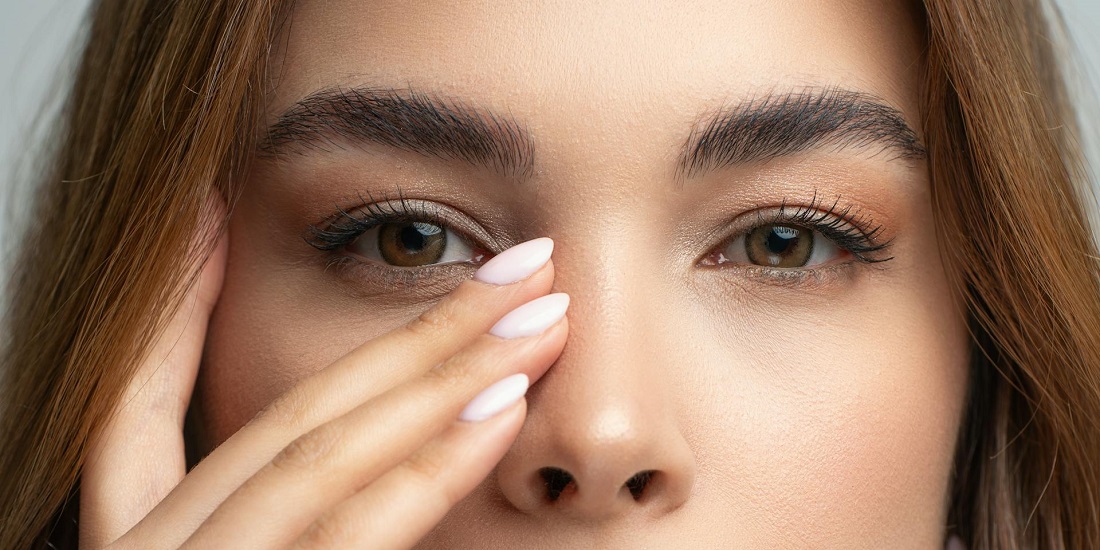
Drooping eyelid, or ptosis, occurs when the muscle that lifts the eyelid is not working at full strength, or the nerve signal weakens. As a result, one upper eyelid sits lower, making it appear as though the eye is constantly half-closed. Some people notice that they often raise their eyebrows, tilt their head, or feel like their eyelashes are obstructing their vision.
- The difference can be accentuated by injury, trauma, or inflammation around the eye.
- Allergies, infections, and sinus pressure lead to swelling, causing one eye to appear swollen, red, or teary.
- Hormonal changes and fluid retention also alter the volume of tissue around the eyes.
Mild, stable differences most often follow the natural structure of the face. Any sudden change in appearance, worsening vision, or a feeling of pressure around the eye is a good indicator to seek a professional examination.
Eye asymmetry: What types exist?
Different types of eye asymmetry can be noticed on several levels.
- The most common differences are in eyelid height – one eye may appear higher or lower than the other, which is especially noticeable when a person looks directly at the camera.
- Additionally, a difference in the width of the eye opening can create the impression that one eye is wider or narrower, which is usually noticed in photographs or close-up views.
- Changes in eyebrow shape and height can contribute to asymmetry, as eyebrows play a key role in balancing the face.
- Differences in muscle tone around the eye can also cause similar effects, as weaker muscles can make the eye appear less open.
- Sometimes, differences are caused by variations in tissue density, which can create irregularities in the shape of the eyelids and eyebrows.
- Asymmetry can also be noticed when smiling, as the facial muscles do not lift evenly on both sides.
Each of these changes can be natural and not pose a serious issue, but it may be helpful to pay attention to those that seem sudden or unexplained.
How to analyze and assess asymmetry at home
When analyzing your face, it’s important to proceed slowly and without harsh self-criticism.
- Stand in front of a mirror with a relaxed expression, avoid raising your eyebrows or straining your eyes.
- Then, smile slightly and compare how your eyelids and eyebrows appear in both states.
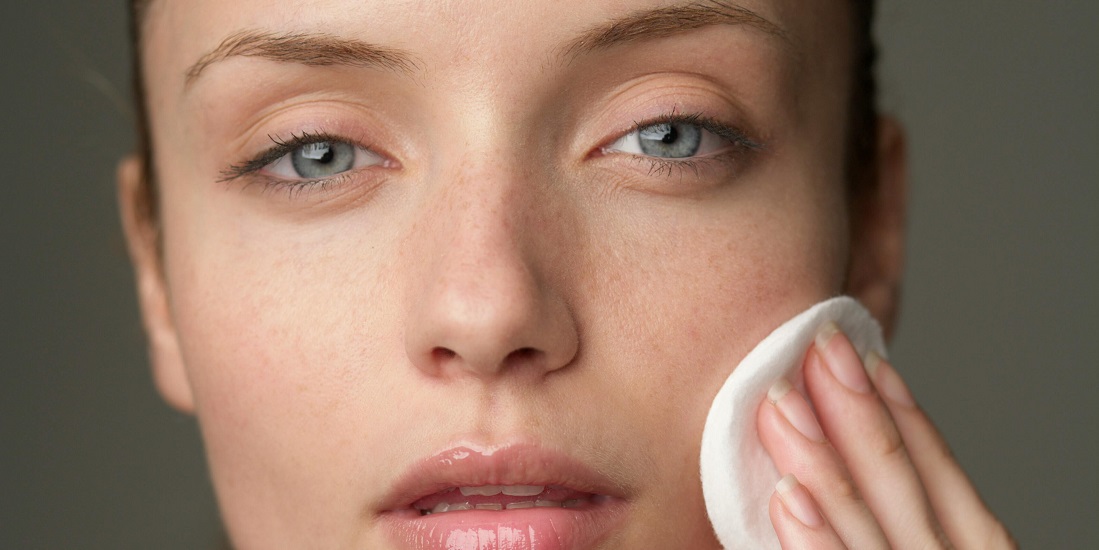
- It will also help to take a few photographs taken from the front and slightly from the side, in consistent lighting. One photograph can easily exaggerate the difference due to shadows or the camera angle, so it’s better to look at them in a series. In each picture, pay attention to eyelid height, eyebrow position, and the fold of skin above the eye.
We can categorize the causes:
- Natural differences remain similar from day to day.
- Temporary ones are accompanied by swelling and fatigue.
- Medical ones are accompanied by other symptoms.
If you notice that the appearance changes when you are rested, hydrated, and well-slept, it is likely a temporary change. However, sudden differences, pain, double vision, or pressure around the eye are signs that it’s time for an examination.
Habits, routines, and exercises that can reduce eye asymmetry
Daily and nightly habits can slightly affect the appearance of the eyes
- When sleeping on your back with a slightly elevated pillow, swelling is usually reduced. If you often sleep on the same side, you may notice more swelling the next morning.
- A regular rest routine and short breaks during screen time relieve the muscles around the eyes.
- Good hydration and moderate salt intake help reduce water retention in the tissues.
- A gentle massage around the eyes, towards the temples, stimulates lymphatic flow and alleviates morning puffiness.
- Simple eyelid and facial muscle exercises strengthen muscle tone, but do not change the bone structure itself. They can reduce the impression of asymmetry but do not completely erase it.
- Relaxation techniques, conscious relaxation of the forehead, and slower breathing reduce tension in the expression.
- Eyebrow shape and carefully applied makeup can visually balance the gaze. This creates a softer, more balanced impression, although the basic anatomy remains the same.
Non-invasive methods for eye asymmetry correction
Non-invasive facial treatments can help when you want to reduce asymmetry without surgery.
- Facial treatments lift the tone of the skin around the eyes, such as radiofrequency or similar lifting procedures, stimulate collagen production, and provide a firmer frame for the eyelids.
- Hyaluronic fillers can fill in hollows. When hyaluronic fillers for the face is applied, it softens transitions or slightly lifts the eyebrow region, creating an optical lift for the eyelid.
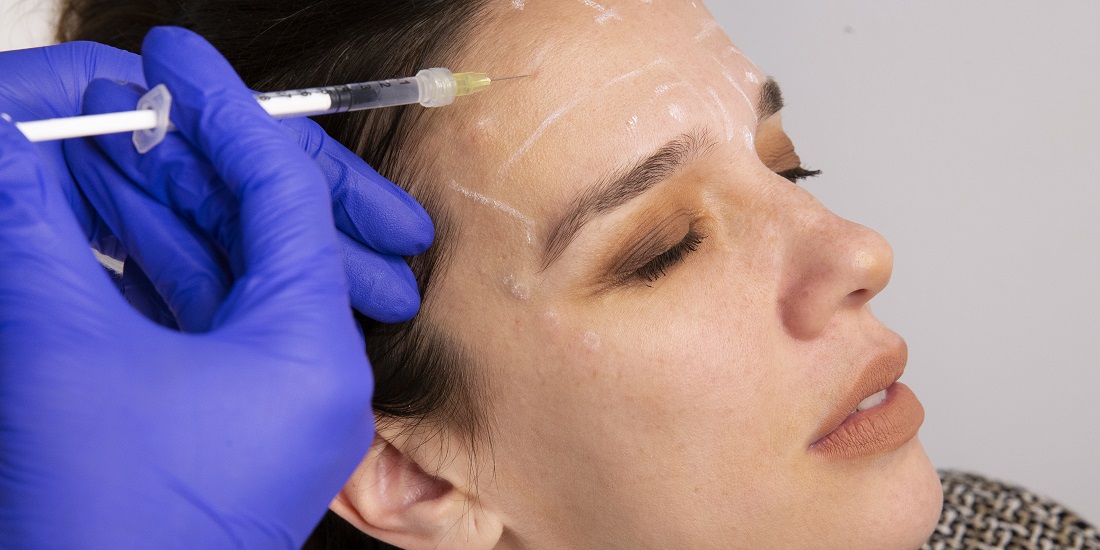
- Microdoses of facial Botox are sometimes used to relax a stronger muscle on one side to balance the expression.
Often, combinations of facial treatments deliver the best results, as fillers complement volume, and lifting treatments improve skin quality. The shape and height of the eyebrows play a significant role, so sometimes the correction of this area is done first, followed by finer adjustments. Faster changes are achieved with fillers and Botox treatments, while collagen-based lifting gradually builds results. The best effect is achieved when the doctor assesses the cause of the asymmetry and customizes the plan for non-invasive steps.
Surgical options for stable and long-term results
When the difference affects your vision or appearance, aesthetic surgery becomes an option. Corrections then provide a more stable effect than treatments that only work on the surface. In blepharoplasty, the surgeon removes excess skin and adjusts the fat and muscle tissue. On the side where the eyelid is heavier, more lax tissue is removed. On the side that appears hollow, more supporting volume can be left. This equalizes the fold height and makes the gaze appear more balanced.
In ptosis, the muscle that lifts the eyelid is shortened or reattached. A simple eyelid surgery opens a larger portion of the pupil and reduces the height difference. Sometimes, the eyelid fold is also corrected simultaneously so the lines appear similar. Before the surgery, the doctor:
- Takes photographs
- Measures the eyelids
- Checks muscle function
- Assesses eye dryness and tear quality
Before the procedure, you go through all the options and risks with the doctor. Good candidates have stable overall health and realistic expectations. Surgery is postponed for individuals with chronic conditions or pregnancy. The surgical effect usually lasts much longer than non-invasive treatments. In the first few days after the procedure, swelling, redness, and bruising are present. One eye may temporarily appear different until the tissue settles. The final appearance is usually evaluated by the doctor after a few months. Even then, symmetry is not perfect, but the difference appears milder and more stable.
How to develop realistic expectations and make a confident decision
When it comes to eye asymmetry, it’s important to distinguish improvement from the idea of complete perfection. Habits like better sleep, hydration, and breaks during work may take time, but they create a stable foundation. Non-invasive treatments and surgeries alter appearance more quickly, but they do not change the facial structure to the extent that they completely erase differences. The best results usually come when healthy habits are combined with carefully chosen treatments. It’s time for a professional assessment when you notice a sudden change in appearance, vision problems, pain, pressure, or persistent eye flickering. Emotional pressure can also amplify the focus on small differences that others barely notice. A conversation with an aesthetic surgeon can help you clearly understand what is medically significant and what is simply part of the natural variety of facial features.