
Excessive sweating (Hyperhidrosis) – Causes, symptoms, and how to manage it
 +381 64 4184 444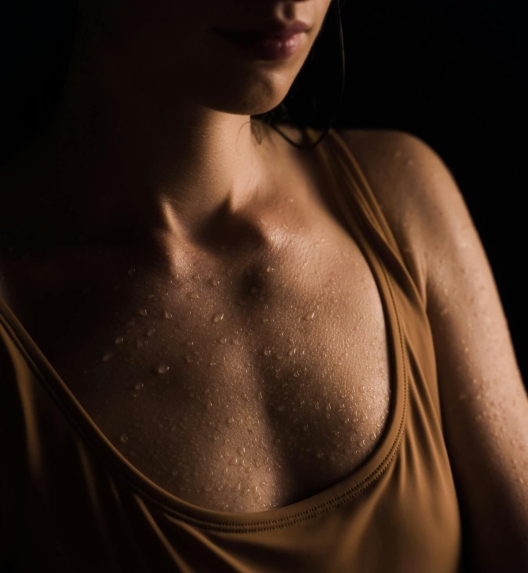
Imagine being at a business meeting, social event, or important occasion, and your palms are suddenly drenched in sweat. You feel uncomfortable as your clothes stick to your body, and in the mirror, you notice visible sweat stains under your arms. If this sounds familiar, you’re not alone. Excessive sweating can be exhausting and have a serious impact on your confidence. Fortunately, there are effective ways to manage it and take back control.
What Is hyperhidrosis?
Hyperhidrosis is a condition that causes excessive sweating, unrelated to physical activity or heat. It can affect different parts of the body, but most commonly occurs on the:
- Palms and soles
- Underarms
- Face and forehead
People with this condition often feel self-conscious and try to hide the symptoms, which can increase stress and make the sweating worse. In some cases, it can lead to avoiding social situations and a noticeable loss of confidence.
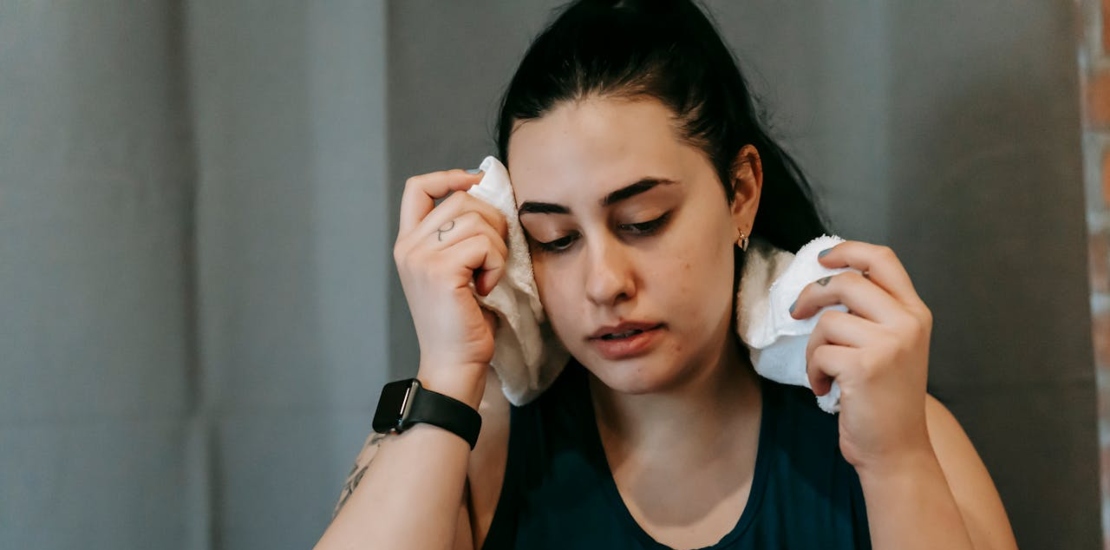
Most common causes of excessive sweating
The causes of hyperhidrosis can vary depending on its type. Primary hyperhidrosis occurs without an identifiable medical cause and is usually due to overactivity of the sweat glands. In contrast, secondary hyperhidrosis is triggered by underlying medical conditions or external factors, such as:
- Hormonal changes (puberty, menopause)
- Stress and anxiety
- Medical conditions like diabetes or hyperthyroidism
- Use of certain medications
How to recognize the symptoms of hyperhidrosis
People with hyperhidrosis often notice that they sweat even in comfortable indoor temperatures or while at rest. The sweating can be so intense that clothing stays damp, and the hands or feet become slippery, making daily tasks more difficult.
Common symptoms include:
- Constantly sweaty palms or soles
- Underarm sweating without physical exertion
- Noticeable sweat stains on clothing
- Frequent need to change clothes or use tissues to dry the skin
If excessive sweating is affecting your quality of life or causing discomfort in everyday situations, it may be time to explore treatment options. Addressing the issue early can help prevent further problems such as skin irritation, unpleasant odors, or social discomfort.
Types of hyperhidrosis and how they differ
Hyperhidrosis is divided into two main types, and understanding the difference is important, as it directly influences treatment options and symptom management.
Focal hyperhidrosis
Focal hyperhidrosis occurs in specific areas of the body, such as the palms, soles, face, or underarms. It is often hereditary and usually begins in childhood or adolescence. A common example is excessive sweating in men that happens without any clear trigger, even at rest. It typically affects both sides of the body symmetrically – for instance, both underarms or both palms sweat at the same time. Focal hyperhidrosis is generally not linked to any underlying medical condition but is caused by overactivity in the part of the nervous system that controls sweat glands.
Generalized hyperhidrosis
Generalized hyperhidrosis affects the entire body and is usually the result of an underlying health issue. It may be triggered by hormonal changes such as menopause, hyperthyroidism, or diabetes, as well as by certain medications or infections. People with this type often notice increased sweating at night, which can be a sign of a medical condition that needs attention.
While focal hyperhidrosis can often be managed with localized treatments like antiperspirants or Botox, generalized hyperhidrosis typically requires a more in-depth medical evaluation and treatment of the root cause.
When is sweating a sign of a health problem?
Although hyperhidrosis can be uncomfortable on its own, in some cases it may indicate a more serious underlying health condition. A sudden increase in sweating, especially when it occurs without an obvious cause, can be a sign of hormonal imbalances, infections, or more serious issues such as lymphoma.
If excessive sweating begins abruptly, particularly at night or alongside other symptoms like unexplained weight loss, a rapid heartbeat, or dizziness, it’s important to seek medical attention. Early diagnosis can help identify the underlying cause and prevent potential complications.
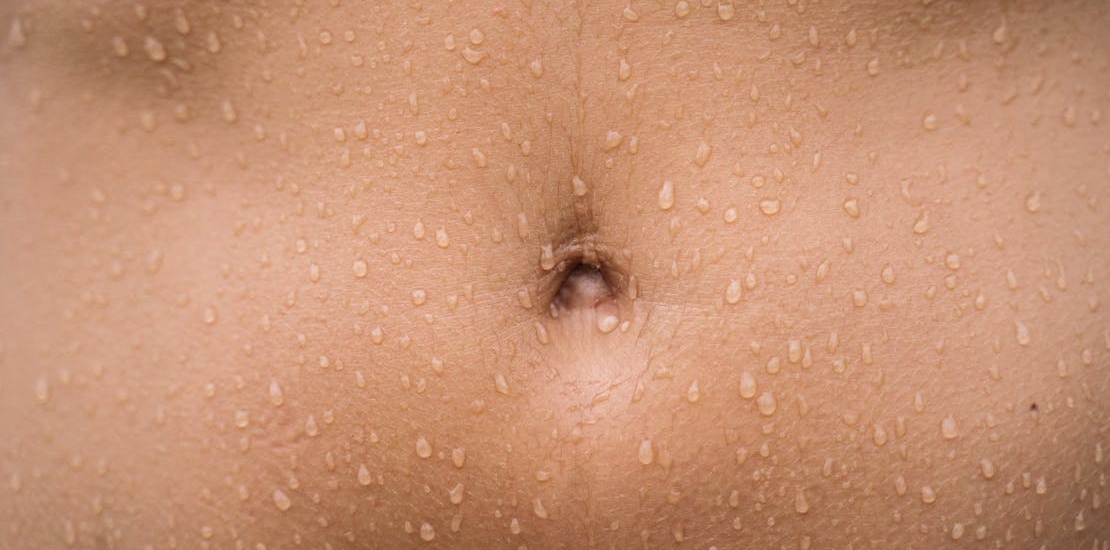
Botox – The most advanced solution for excessive sweating
You’ve probably heard of Botox for smoothing wrinkles and rejuvenating the face – but did you know it can also help treat excessive sweating? Botox is one of the most effective solutions for hyperhidrosis, offering fast and long-lasting relief. The treatment works by blocking the nerves that activate the sweat glands, preventing excessive sweat production.
Benefits of botox for hyperhidrosis:
- Quick results, noticeable within a few days
- Effects last between 4 and 6 months
- Minimally invasive and virtually painless, with few side effects
- Ideal for underarms, palms, and soles of the feet
People who already use Botox to reduce forehead wrinkles often combine it with sweat-reducing treatments, gaining both cosmetic and practical benefits. Why live with discomfort when you can feel fresh and confident throughout the day?
Other methods for controlling excessive sweating
Besides Botox, there are several other options that can help manage excessive sweating:
Antiperspirants and topical treatments
Antiperspirants containing aluminum chloride can help block sweat glands. While many are available over the counter, stronger formulations may be prescribed by a dermatologist. These products work by temporarily closing the sweat ducts, reducing the amount of sweat released. For people experiencing excessive underarm sweating, antiperspirants are often the first step before exploring more invasive treatments.
Lifestyle changes
While hyperhidrosis can’t be completely eliminated through lifestyle changes alone, certain adjustments can significantly help reduce symptoms:
- Wearing clothing made from natural fabrics like cotton
- Using lightweight, breathable socks
- Following a healthy diet and avoiding spicy foods
- Reducing caffeine and alcohol intake
Medical treatments
In more severe cases, treatments such as iontophoresis or surgical procedures may be considered. However, these options are typically used only when other treatments have not been successful.
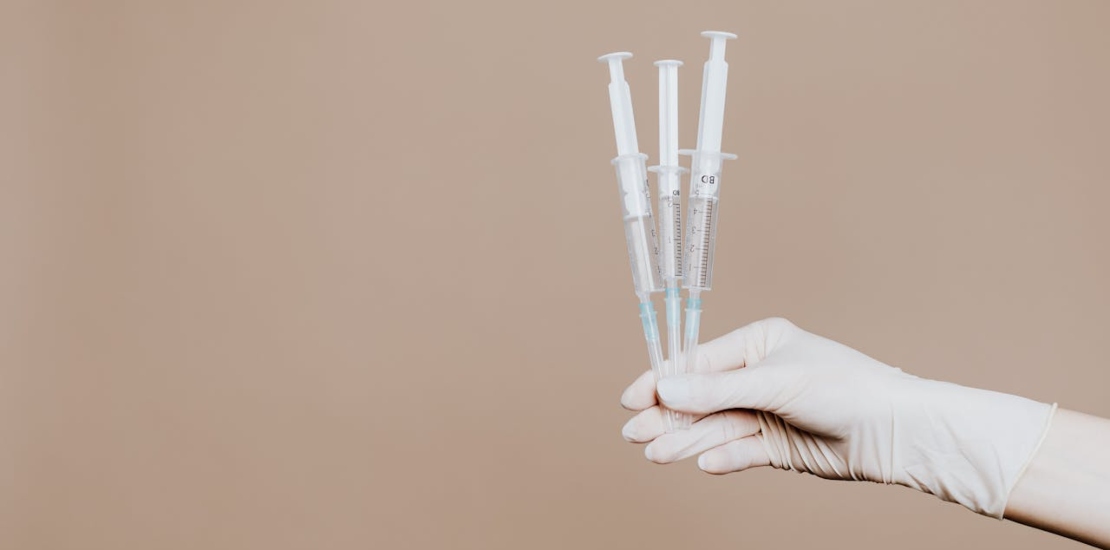
How to live without the discomfort of excessive sweating
Hyperhidrosis can be frustrating, but effective solutions are available to keep it under control. Botox is one of the most efficient options for fast and long-lasting symptom relief, especially for those seeking a discreet and minimally invasive treatment. Imagine never having to worry about sweaty palms, underarm stains, or feeling uncomfortable in important situations again.
While many aesthetic clinics in Belgrade offer Botox treatment for excessive sweating, choosing the right provider is essential. Dr Prlja Medical stands out as a top choice, thanks to its experienced team and personalized approach to each patient. Free yourself from excessive sweating and enjoy your daily activities with confidence – supported by expert care and outstanding results.