
Disorders of smell and taste after viral infections – recovery and therapy
 +381 64 4184 444
Disorders of smell and taste are conditions that can seriously affect daily life. These two senses play a key role in our enjoyment of food, as well as in recognizing dangers such as smoke or spoiled food. Viral infections often cause these sensory disorders, and recovery can be slow and far from simple. For some people, the loss of smell and taste lasts longer than expected. This prolonged recovery period can impact psychological and emotional well-being, as they feel distanced from everyday experiences. Understanding the causes and recovery methods can help in adapting more easily and improving quality of life.
Why do disorders of smell and taste occur after infections?
Viral infections can have a significant impact on the senses of smell and taste. These senses rely on a complex system in the body, which includes:
- Nasal cavity
- Sinuses
- Nerve endings
When a viral infection affects these parts of the body, it can lead to a temporary loss or reduction in the ability to smell and taste. COVID-19, for example, frequently causes such issues, which are related to its effect on nerve cells in the nose. However, other viral infections can also cause similar disorders, as they lead to sinus inflammation and mucous problems. The inflammation caused by these infections can interfere with the normal functioning of the senses while the body recovers from the virus.
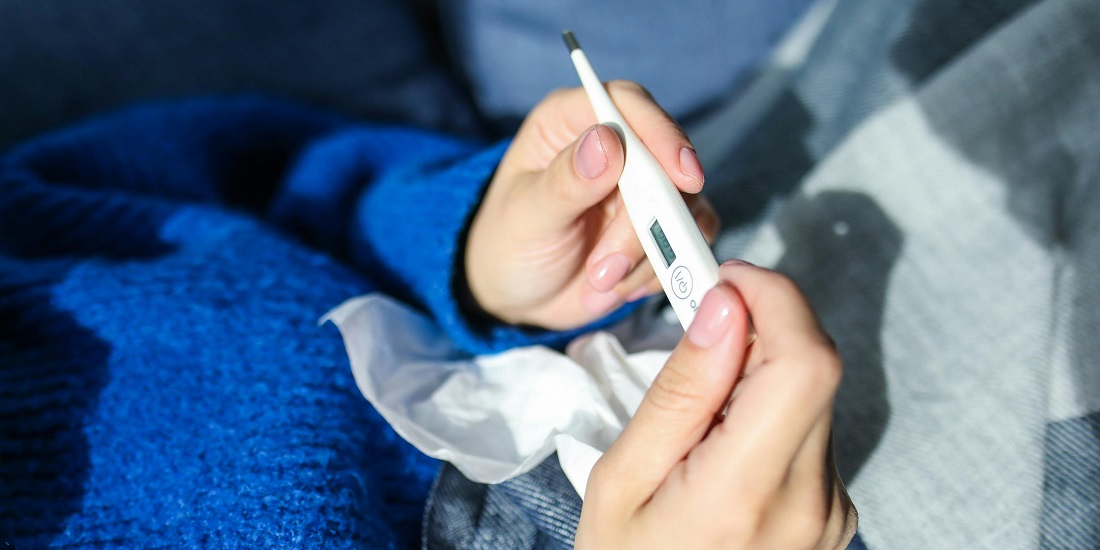
Symptoms indicating a problem with the senses of smell and taste
Disorders of smell and taste can manifest in various ways, with the most common symptoms including conditions such as:
- Anosmia occurs when a person completely loses the ability to smell, while hyposmia refers to a reduced sense of smell.
- Hyposmia refers to a reduced sense of smell.
- Dysgeusia is a condition where tastes become altered, often resulting in a sensation of bitterness, sourness, or a metallic taste, even though the appropriate substance is not present.
Symptoms usually develop gradually and can last from several days to several months, depending on the severity of the infection and the body’s response. Mild symptoms, such as reduced smell or taste, are usually not a cause for concern, but if the symptoms become more severe, such as a complete loss of smell or taste, or if they last longer than expected, it is recommended to schedule an ENT examination.
Recovery from disorders of smell and taste
Recovery from disorders of smell and taste can vary for each individual, but it typically takes several weeks. In mild cases, such as with a cold, the return of these senses can happen quickly. However, when it comes to viral infections like COVID-19, recovery can take much longer, usually ranging from several months to even a year.
Although symptoms begin to subside, the gradual recovery may be marked by fluctuations, and sometimes smell and taste may be partially restored, but there is still a sense of change, caused by phenomena such as:
- Parosmia (when smells become altered)
- Phantosmia (when you sense a smell that does not actually exist)
To speed up recovery, many people use olfactory training – it’s simple, all you need to do is smell four different scents every day. However, it is important to treat nasal or sinus inflammation if present, as this can further aid the recovery process.

It is important to be patient and give your body time to recover, as the regeneration process can happen gradually. With the right therapy and strategies, most people eventually make a full recovery, although it may take time. This recovery can be challenging, but with proper care, the results will come.
Support during recovery
During recovery from disorders of smell and taste, it is important to follow a few tips that can help speed up the return to normal condition.
- Recommended foods include those that support the health of the mucous membranes and improve circulation, such as foods rich in vitamins A, C, and E. Fruits and vegetables, especially citrus fruits, red peppers, carrots, and leafy greens, can help reduce inflammation and restore damaged tissues.
- Additionally, green tea and garlic have anti-inflammatory properties that can contribute to improving nasal and sinus function. Hydration is also crucial, as water helps cleanse the mucous membranes and reduce inflammation.
- Talking to loved ones or professionals can help reduce the stress caused by this condition. Moreover, it is important to be patient, as recovery can be gradual, but with the right therapy, symptoms will subside.
- If you’ve had the flu and are dealing with the loss of smell, tips include olfactory training – daily exposure to different smells can be beneficial.
- Avoid irritating factors. Many ENT problems are caused by tobacco-related products, while exposure to overly strong scents can further hinder recovery.
- Reduce stress through meditation or physical activity, which can aid in faster recovery.
When to seek professional help?
In most cases, disorders of smell and taste caused by viral infections gradually subside, but there are situations where it is advisable to seek professional help. If the symptoms last longer than three months, or if there is no improvement despite treatment, this is a clear sign that you should consult a doctor. At our clinic Dr Prlja Medical in Belgrade, you can undergo an examination, learn the real cause of your symptoms, and receive the recommended therapy that will help you recover faster and restore your sense of smell and taste. Our team of experts will provide you with the necessary support and advice to ensure your recovery progresses as efficiently as possible.
If the loss of smell or taste is accompanied by other serious symptoms, it is important to seek medical help as soon as possible. Symptoms that indicate you should consult an ENT specialist include:
- Headaches
- Vertigo
- Fever
- Sinus pain
In some cases, permanent loss of smell may be a sign of more serious health problems, such as damage to the nervous system, and in such cases, immediate action is needed. Consulting a doctor or specialist is particularly important if the disorder of smell or taste recurs, or if it appears without a prior infection. The doctor will conduct a thorough examination, which may include smell tests, blood analysis, imaging, or a sinus ultrasound, to determine the exact cause of the problem.

Therapies for improving smell and taste
Therapies for improving smell and taste can significantly aid the recovery process, especially when these senses are lost due to viral infections.
- One of the most effective methods is smell training. This training involves daily exposure to different scents, such as lavender, rose, citrus, and clove. Many patients recovering from the Coronavirus disease or other viral infections use this method and report significant improvements. Smell training helps nerve cells regenerate and restores the sense of smell. This process usually takes several months, and the results can be substantial.
- In addition, corticosteroids and medications can help reduce inflammation in the nasal cavity, which can speed up recovery. These medications may be in the form of sprays or tablets. Doctors often recommend them if there is inflammation or an infection that interferes with the sense of smell. Corticosteroids help reduce swelling and irritation, improving the functioning of the sense of smell.
- For those seeking natural treatments, supplements such as vitamins A, C, and E can contribute to strengthening the immune system This can speed up recovery. Herbs such as thyme, mint, and lavender can be used in the form of essential oils. Placing these plants in a room or using their scents can provide some level of improvement. However, it is important to note that their effectiveness is not as proven as medical treatments.
Although natural treatments are appealing, they are not a substitute for medical assistance and should be used in combination with the advice of a doctor. For serious disorders of smell and taste, it is best to seek professional help to determine the exact cause and choose the best treatment.
Recovery within reach
Although disorders of smell and taste can be challenging, it is important to remember that recovery is possible. Every body recovers at its own pace, but with the right therapy and patience, symptoms can improve significantly. Many fully recover after several months, and even when symptoms subside gradually, quality of life is restored. Recovery from smell and taste issues is an individual process and sometimes requires a combination of treatments, from physical exercises to medications. If symptoms persist or worsen, do not hesitate to seek expert advice. Doctors can provide the appropriate treatments and help you return to daily activities with restored senses and better health.