
Common mistakes when washing your face
 +381 64 4184 444
Many people don’t realize how much the way they wash their face affects their skin’s condition. Still, small mistakes when washing your face can gradually weaken the skin’s natural balance. When the face is washed too often, too vigorously, or with unsuitable products, the skin loses moisture and becomes more sensitive. Harsh cleansers can damage the protective barrier, while skipping cleansing can clog pores and cause a tired appearance. Proper washing is not only about removing impurities but also about supporting the skin’s ability to breathe and regenerate. A consistent and gentle routine keeps the complexion clear, even, and fresh. Every skin type reacts differently, but a careful approach and understanding of its needs bring visible improvement in a short time. Small changes in habits can make the skin look healthier and calmer every day.
How many times a day should you wash your face?
It’s best to wash your face twice a day — in the morning and at night. This helps remove excess oil, dust, and traces of products that build up during the day and night. For oily or acne-prone skin, washing in the morning and before bed helps keep pores clear.
However, excessive washing can have the opposite effect. When natural oils are stripped away, the skin becomes dry, tight, and prone to irritation. Then, the sebaceous glands try to compensate for the lost oil, making the skin even greasier. Water alone isn’t enough for complete cleansing because it can’t remove sweat, SPF, and makeup. In winter and for dry skin, washing once a day may be enough, while in summer, when sweating increases, washing more often is fine — but always with a gentle cleanser that doesn’t damage the skin barrier.

How does water temperature affect the skin?
The water you use when washing your face greatly impacts your skin’s condition.
- Hot water may feel pleasant to the touch, but it actually removes the natural oils that protect the skin. When that layer is disrupted, the face loses moisture and becomes sensitive, dry, or red.
- Cold water, though refreshing, cannot actually “close” pores because they have no muscles to do so. It only temporarily tightens blood vessels, making the skin appear firmer and more awake. If your skin feels tight after washing, it’s a sign that it needs a milder temperature or a gentler cleanser. When the water is neither too hot nor too cold, the skin stays balanced, softer, and more resistant to external factors.
- Lukewarm water, with a temperature close to that of the body (about 32–36°C), is the best choice for washing the face. It allows thorough cleansing without damaging the natural barrier. At this temperature, sebum and impurities dissolve more easily, so the skin gets cleaned effectively without harsh rubbing or aggressive products. Unlike hot water, which dries and irritates, lukewarm water retains moisture and preserves the lipid layer that protects the skin from external factors. At the same time, it’s not cold enough to constrict blood vessels or slow circulation, helping the skin maintain its natural elasticity and healthy appearance.
How to choose the right facial cleanser?
Facial skin is more delicate than the skin on the body, so it needs a milder cleanser. Body soaps often contain stronger ingredients and fragrances that strip away natural oils and dry out the skin. When this natural protection is disrupted, the face becomes tight, rough, and prone to redness.
A much better choice is gels or foaming cleansers made specifically for the face, with a pH value close to the skin’s natural level — between 4.5 and 5.5. This keeps the skin clean without damaging it. If you feel burning, itching, or discomfort after washing, it means the product isn’t suitable. Oily skin benefits more from lightweight, alcohol-free gels, while dry or sensitive skin responds better to creamy cleansers or micellar water. When the product matches your skin type, your face looks calmer, softer, and healthier.
Why makeup removal comes before washing your face
Makeup, dust, and oil build up during the day, creating a layer that clogs pores and prevents the skin from breathing. If makeup isn’t removed before washing, a gel or foam cleanser can’t clean the face properly because it doesn’t reach the skin’s surface.
- The first step should be removing makeup with a product that dissolves oils and impurities — preferably micellar water, cleansing oil, or balm. This way, makeup and SPF are easily removed without harsh rubbing.
- After that, wash your face with a gentle gel or foam to remove any remaining residue and sweat.
This routine, known as double cleansing, helps keep the skin clean and calm. After washing, gently pat your face dry with a clean towel instead of rubbing. This prevents irritation and prepares the skin for the next step — applying a cream or serum.
Common mistakes when washing your face after showering
Many people wash their face while showering, but that’s not the best option. Shower water is usually hotter than what facial skin can tolerate. High temperature and steam expand blood vessels and dry out the skin’s surface layer. This weakens its natural protection, making the face red, tight, or even prone to cracking. If you feel burning or tightness after a shower, it’s a sign that your skin barrier is damaged.
Instead, it’s better to wash your face after showering, once the steam has cleared, using lukewarm water and a gentle cleanser. After washing, apply a moisturizer while the skin is still slightly damp to help retain moisture. This order helps calm the skin and maintain its elasticity. Proper post-shower care prevents dryness and irritation.
How to properly dry your face after washing
The way you dry your face is just as important as washing it. Rubbing with a towel can damage the skin’s surface and cause microtears, especially on sensitive or dry skin. Such damage weakens the barrier and allows bacteria to penetrate more easily, which can lead to irritation or acne. Instead of rubbing, it’s best to gently pat your face with a soft, clean towel. This removes excess water without putting extra stress on the skin.

A towel for the face should be used only after washing and changed several times a week, as bacteria easily collect on damp fibers. If you have acne-prone skin, it’s best to use paper towels or cloth towels that can be washed at high temperatures. This simple step prevents reinfection and keeps the skin calmer and clearer.
Do you skip moisturizing after washing your face?
After washing, the skin loses part of its natural moisture, so it needs a cream that restores and locks that moisture in the surface layer. If you skip moisturizing, the skin quickly becomes dry, tight, and prone to flaking or redness. It’s ideal to apply the right face cream immediately after washing, while the skin is still slightly damp, as ingredients absorb better and retain moisture. A moisturizing cream helps restore the skin’s protective barrier and reduces water loss.
Oily skin benefits more from lightweight, oil-free gel formulas, while dry and sensitive skin needs richer creams with ceramides and hyaluronic acid. In the morning, always use a cream with SPF protection, as UV rays dry the skin and accelerate aging. Regular moisturizing keeps the complexion soft, elastic, and resistant to external factors.
Mistakes when washing your face that cause irritation
Facial skin can easily become sensitive if it’s overtreated.
- Frequent use of exfoliants removes the skin’s protective layer and leads to redness, flaking, or burning. Mechanical scrubs containing small particles can cause microdamage if used daily or combined with other active ingredients such as retinol.
- Facial treatments with acids (AHA, BHA) should always be done under professional supervision. Chemical peels penetrate deeper into the skin, and if used improperly or mixed with other active ingredients like retinol, they can cause irritation, burns, or permanent damage to the skin’s protective barrier.
- Excessive rubbing or using harsh products further worsens irritation and slows recovery. If you notice burning, tightness, or peeling, it’s time to take a break from active treatments and switch to a simpler routine.
- Gentle cleansers and fragrance-free moisturizers help the skin regain its balance. Fewer products and skinimalism often lead to calmer, healthier, and more resilient skin.
Why are clean hands and tools important?
Clean hands are the first step in preventing irritation and acne. Throughout the day, bacteria, dust, and sweat accumulate on them and easily transfer to the face during washing or when applying cream. Once these bacteria reach the skin, they can cause inflammation, blackheads, or pimples. That’s why it’s important to wash your hands with a mild soap before touching your face.
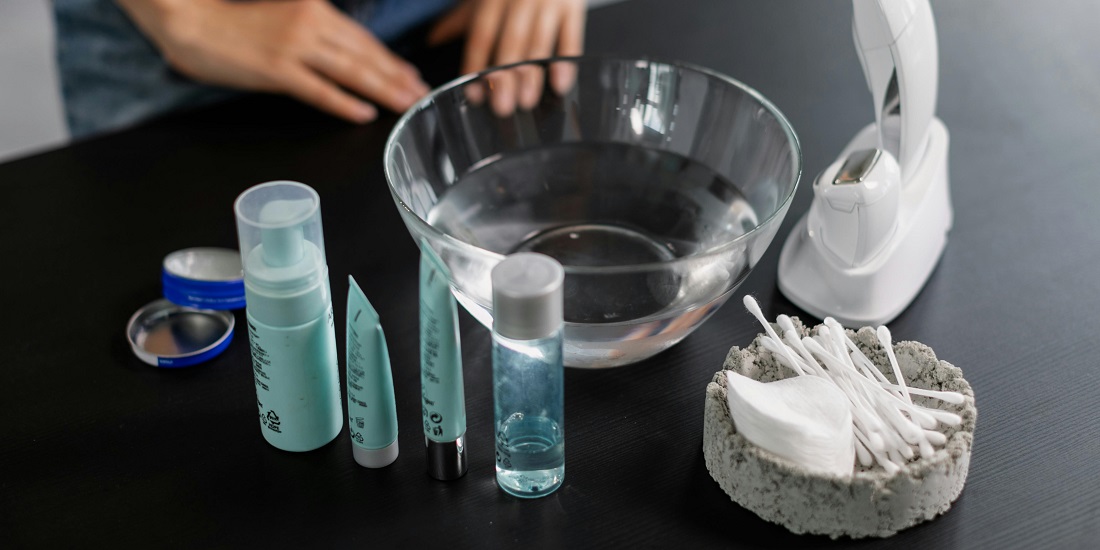
The same applies to makeup brushes and applicators — if not cleaned regularly, they become an ideal place for microorganisms to accumulate.
- Brushes should be washed at least once a week, and beauty blenders even more often.
- Cosmetics should not be shared with others, as this easily spreads bacteria and fungi.
- Surfaces such as pumps and lids should be regularly cleaned with alcohol or wet wipes.
Regular hygiene of beauty tools keeps the skin clean and reduces the risk of inflammation.
How to adjust your face-washing routine to your skin type
Every skin type has its own needs, so the face-washing routine can’t be the same for everyone.
- Dry skin benefits from a mild, soap-free cleanser that doesn’t dry out or cause tightness. After washing, it’s important to apply a moisturizer right away to help retain moisture.
- Oily skin needs lightweight gels or foams that remove excess sebum without over-drying, as that can actually increase oil production.
- Combination skin requires balance — gentle cleansing that doesn’t irritate dry areas while controlling shine in the T-zone.
If you notice redness, flaking, or increased oiliness, your routine likely isn’t suitable for your skin. In winter, richer products and warmer water are better, while in summer, lighter formulas and cooler rinsing work best. If you experience reactions, it’s best to consult experts at aesthetic clinics in Belgrade who can recommend the right products and steps.
Small changes for healthier skin
Small changes in daily habits can make a big difference to skin health. You might be making the same mistakes when washing your face, often without realizing it — using water that’s too hot, the wrong product, or skipping moisturizer. When these steps are adjusted to the skin’s needs, the face becomes calmer, more even, and softer to the touch. There’s no universal formula. Every skin type reacts differently and deserves an individual approach. The key is to pay attention to how the skin responds and adapt the routine accordingly. Choosing gentle products, the right water temperature, and consistent hydration is enough. Consistency brings results. When everyday mistakes are avoided, the skin breathes better, looks fresher, and copes more easily with external factors. Fewer mistakes mean healthier skin and a natural glow every day.