
How pH value of the skin affects the effectiveness of skincare products?
 +381 64 4184 444
Sometimes you notice changes on your face even though you haven’t changed your skincare routine. The skin looks calm one moment, then reacts with redness, flaking, or breakouts. The cause is often not a single product, but the pH value of the skin. When this range is stable, the skin more easily retains moisture and protective lipids. It also tolerates acids, retinol, and vitamin C in your routine better. When the pH is too high, the face feels dry, tight, and rough. When it is too low, burning, redness, and a feeling of irritation intensify. This is why the skin’s pH balance affects both appearance and mood. Once you understand this part, it becomes easier to choose products and build a stable routine.
What is skin pH and how it works
The pH scale goes from zero to fourteen and describes the acidity of a solution. Water has a neutral value, while acids and bases sit at the ends of the scale. Your skin naturally has a slightly acidic film on its surface. That is why many sources mention a range of around 4.5 to 5.5 for the facial skin of adults. When the skin’s pH value stays within this range, the skin more easily retains lipids and moisture.
It also tolerates most skincare products better. If the pH goes too high, the skin appears rough and tight. If it drops too low, burning and redness increase. A stable skin pH value means calmer and more resilient skin.

How pH affects the skin barrier and sensitivity?
The skin barrier protects your skin from external factors. When the skin’s pH value stays within its natural range, the skin barrier more easily keeps lipids and cells in place. You then lose less water and tolerate cold, wind, or sun more easily. When the pH rises, the skin loses water faster and looks dry and tight. At that point, you often feel that your cream “does not help.”
When the pH drops too low, burning, redness, and flaking appear more easily. Many people then introduce increasingly strong products, but the skin becomes even more reactive. The skin’s pH balance affects how successfully your barrier works.
What changes the skin’s pH value during the day
Your skin’s pH balance does not stay the same throughout the day. On the face and body, the following act:
- tap water
- soaps
- sweat
- air conditioners
Hard water and classic soaps often raise pH and leave the skin feeling dry and damaged. Products with SLS further strip lipids and change the surface film. Sweat temporarily lowers it, so the skin may sting after a workout. Heating, cold air, and air-conditioned rooms also affect the skin. In some people, diet, hormones, and medications further change the condition of the skin. This is why the same routine in one season often does not give the same result in another.
Is pH the same on the face, body, and scalp
The skin’s pH value is not the same on all parts of the body. The face usually has a slightly acidic film that supports protection and elasticity. The skin on the body can have a slightly different range, especially on dry areas. The scalp has its own micro-environment, so shampoos have an adjusted pH level for that region.
This is why it is not a good idea to use regular soap all the time on the face, body, and hair. The intimate area often needs special gels with an adapted pH value. If you use the wrong product on the wrong area, itching, redness, and flaking appear more often.

How the skin’s pH value changes the effect of skincare products
Manufacturers create formulas for a specific range of skin pH values. When pH remains stable, active ingredients can do their job more easily.
- For example, vitamin C requires a certain pH in order to work properly.
- Niacinamide and retinol in skin care also work better when the skin is stable. When pH goes too high, the skin absorbs moisturizing ingredients poorly and looks dry. When pH falls too low, acids can act too strongly and cause irritation.
- SPF products adhere better to a calm and even surface. They then protect more effectively throughout the day.
How to recognize that your skin’s pH value is disrupted
Your body often sends you signals through the skin. If the skin feels tight, itchy, or stings after washing, the skin’s pH value is probably not in balance. When the face becomes oilier while also flaking, the skin is often just trying to protect itself. Redness that keeps coming back after using the same products also points to a problem.
Pay attention to how the skin feels after applying your face cream. If there is brief stinging that quickly calms down, the skin may simply be adapting. If the burning sensation lasts for a long time, something likely does not suit your skin. The most common mistake happens when you immediately change your entire toiletry bag instead of observing reactions and introducing changes gradually.
Step by step: Home guide to tracking your skin’s pH value
You cannot directly measure your skin’s pH balance with simple strips, but you can track products and reactions.
- Buy pH test strips and test your cleansers, toners, and gels.
- Wash your face with the tested product and do not apply anything else for a few minutes.
- Observe whether the skin feels tight, stings, or looks too shiny.
- Keep brief notes during the week and write down how the skin changes.
Healthy skin usually restores its pH value shortly after washing. If the feeling of discomfort lasts for hours, the product probably does not suit you. Observing reactions gives a realistic picture, even without perfect measuring technique.
How to choose products aligned with your skin’s pH value
The first step is a gentle cleanser that does not leave a feeling of tightness. You need to read labels carefully and choose gels without strong soap bases. When you see the label “pH-balanced cleansing gel,” it means the manufacturer adapts the formula to the skin, but you still need to test each product. For comparison, classic soap often raises pH, while a syndet gel does this to a lesser degree.
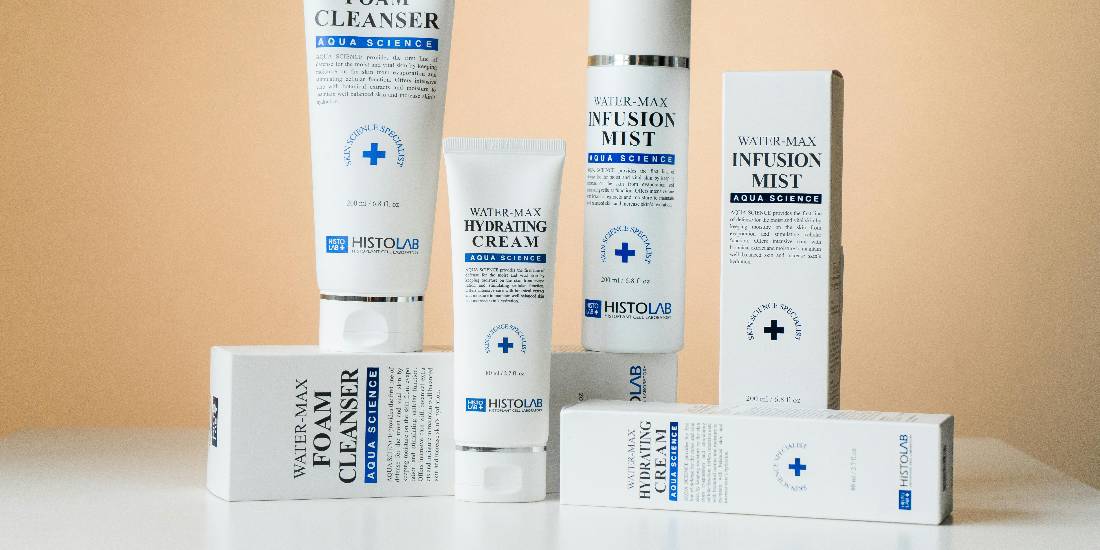
Toners without alcohol and fragrance usually act more gently on the skin’s pH value. Introduce acids, retinol, and vitamin C slowly, one product at a time. This way, it is easier to track reactions. You do not need to use a pH-balanced cleansing gel ten times a day. Two gentle washes are often quite enough support for your skin.
The most common mistakes and when to seek professional help
There are skincare mistakes that can affect the skin’s pH balance, and they include:
- Overly frequent harsh chemical peels and combining several acids. In that case, the skin’s pH value constantly changes and the barrier does not have time to recover.
- Vigorous rubbing with a towel and using wet wipes every day.
- A problem also appears when you change your entire routine almost every week.
If, despite changes, you notice stronger redness, skin cracking, or painful lesions, it is time to seek professional help. A qualified specialist in a professional anti aging center can connect the skin’s pH balance with other conditions, such as hormones or ongoing treatments. Bring a list of products and brief notes. This way, you receive more specific advice and a routine that truly suits you.
Take the right steps toward healthier skin
The skin’s pH value affects how your barrier works and how products act. When pH stays stable, the skin tolerates active ingredients better and retains moisture. The first step is to observe how you feel after cleansing and applying cream. Then gradually simplify your routine and choose milder cleansers and toners. Only after that should you introduce acids and other stronger products. If none of this helps, talk to a specialist. In this way, the skin’s pH value becomes part of broader care for your health, not another source of stress.