
Dangers of self-medicating with ear drops
 +381 64 4184 444
Many people reach for ear drops when they feel discomfort or pain. They are easy to buy, available without a prescription, and seem like a quick solution. People often believe that self-use will not cause harm, so they ignore professional advice. However, the dangers of self-medicating with ear drops should not be underestimated. The wrong choice can worsen an existing problem or create a new one. Some symptoms may appear similar but require completely different treatments. Without professional evaluation, it is easy to make a mistake and prolong the condition. At our clinic, Dr Prlja Medical in Belgrade, you can schedule a professional ENT exam, where a doctor can recommend the right drops for your specific problem after detailed diagnostics. Ear health deserves attention and the right approach, because even small neglect can have consequences. Responsible use involves consulting a specialist, closely monitoring symptoms, and avoiding improvised solutions.
What happens when drops are used without a doctor’s exam?
Ear symptoms may look similar, but their causes are not the same. For example, bacterial infections usually cause strong ear pain and sometimes pus discharge. With fungal infections, itching, a feeling of fullness, and moisture are more common, while accumulated earwax mainly reduces hearing and creates a sense of pressure. That is why choosing drops without a doctor’s exam can easily lead to a wrong assessment.
Antibiotic drops, effective for bacterial infections, can worsen fungal infections because they disrupt the natural ear microbiota. Similarly, drops designed to soften earwax are not recommended if there is an infection or eardrum damage, as they can spread the problem and increase discomfort. A perforated eardrum requires special caution since any wrong application can cause serious consequences. For this reason, an ENT exam is the best way to receive proper therapy and prevent further complications.
Common mistakes in self-use
When ear discomfort appears, people often use drops on their own. Many believe this will quickly solve the problem, but that is where the most common mistakes occur. Using the same drops for different conditions without a proper diagnosis can easily make the problem worse.
- For example, ear pain may result from a bacterial middle ear infection, which causes strong, pulsating pain and sometimes pus discharge.
- On the other hand, itching in the ear often points to a fungal infection, usually followed by a feeling of fullness and whitish discharge.
- Another common mistake is prolonged use of drops. Treatment usually lasts a few days to two weeks, while extended use can irritate the mucosa and create microbial resistance.
- Some people use expired drops or ones that have already been opened, which can be risky.
- It is also common to stop treatment as soon as symptoms improve, which often causes the infection to return, sometimes even stronger.

What types of ear drops exist and when are they used
There are several types of ear drops on the market, and each has a clear purpose.
- Antibiotic drops are used only when a doctor confirms a bacterial infection, since improper or unnecessary use can lead to resistance and further complications.
- For fungal infections, special antifungal drops are prescribed, which have a different formula and act directly against fungi. If antibiotic drops were used for these infections, the condition would often worsen because the natural ear balance would be disrupted, allowing faster fungal growth.
- Another group includes drops for removing earwax, which soften and make it easier to clean built-up wax. They are helpful when a mechanical blockage exists, but if there is inflammation or a perforated eardrum, their use may worsen symptoms and spread infection.
How to properly use ear drops
For ear drops to work effectively, it is important to follow a few simple steps.
- First, warm the bottle slightly in your hand, as cold drops may cause unpleasant vertigo.
- Next, make sure the tip of the bottle never touches the skin or ear canal to maintain sterility and prevent contamination.
- When applying the drops, gently pull the ear backward and upward for adults, or backward and downward for children, since their ear canal differs in shape. This way, the drops reach deeper and spread more evenly.
- After instilling the drops, it is recommended to remain still for a few minutes and keep the head tilted so the medicine stays in the canal and has enough time to act.
These simple steps help ensure that ear drops are applied safely and effectively.
Dangers of self-medicating with ear drops in children
Using ear drops in children is especially sensitive because their anatomy differs from adults. The ear canal is shorter and narrower, so the medicine reaches the eardrum more quickly. For this reason, the technique of giving drops is adapted — the child should lie on their side, and the auricle should be gently pulled backward and downward so the drops can pass more easily through the canal. After instilling the drops, the child should remain still for a few minutes, and the parent can gently press the tragus to help the medicine spread more evenly.

It is necessary to schedule a specialist ear exam if a child has:
- severe pain
- fever
- purulent or bloody discharge
In such cases, giving drops may be risky, and only a doctor can assess further
Possible side effects and risks
After using ear drops, certain side effects may appear, although they are not always serious. The most common are itching, mild burning, or redness in the outer ear canal, which usually indicate local irritation or an allergic reaction to the ingredients. Some patients also experience brief dizziness, especially if the drops were cold, since a sudden temperature difference affects the inner ear and balance system.
More serious risks occur when drops are used with a perforated eardrum, as the medicine can reach the middle ear and cause an additional ear infection or hearing damage. Long-term and improper use of antibiotic drops may also lead to bacterial resistance, making future treatment more difficult. If complications recur, there is a risk of permanent hearing loss or chronic tissue damage. For this reason, any unusual reaction after using drops should be taken seriously and checked by a doctor.
Alternative methods and their safety
In addition to medical treatments, many people try to address ear problems with various “home” methods.
- The most common is hydrogen peroxide, which can help soften earwax and make cerumen removal easier. However, its use must be limited, as frequent or improper application can damage the skin of the ear canal, cause burning, and lead to further irritation.
- Alcohol-based solutions and similar substances should be used with great caution, as they can dry out the skin and disrupt the ear’s natural protective barrier, making infections more likely.
- Olive or mineral oils sometimes soften earwax, but their effect is weak, and in some people, these home remedies for ear infection may cause itching or an allergic reaction.
It is especially important to emphasize that none of these methods are advisable if there is a perforated eardrum or an existing infection, as symptoms may worsen and the infection may spread.
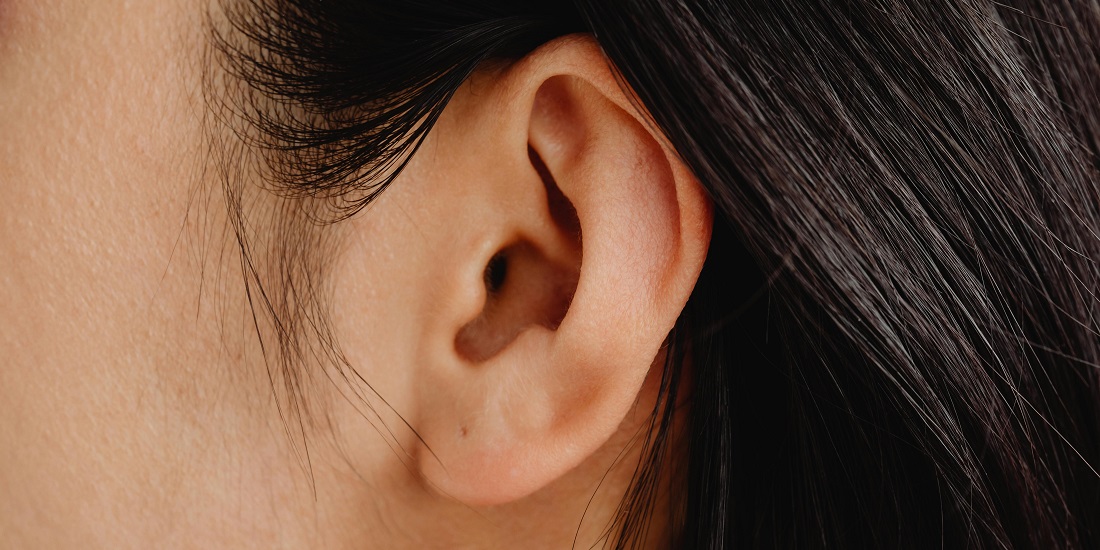
Preventing ear problems is the right way to avoid the dangers of self-medicating with ear drops
Preventing ear problems is often simpler than treating them.
- Regular doctor visits, medical treatment of ear inflammation, and pharmacist consultations help avoid mistakes and recognize early signs of infection.
- Proper hygiene plays a key role — cotton swabs should not be used because they can push wax deeper, damage the canal’s skin, or even injure the eardrum. Washing the outer ear is enough, as cerumen usually exits naturally.
- After bathing or swimming, it is important to carefully dry the ears with a towel, without inserting objects into the canal. For children and adults who swim often, using protective plugs or caps is recommended to prevent water retention and swimmer’s ear.
- It is also important to avoid using headphones every day without proper protection. These simple habits significantly reduce the risk of infection and protect hearing health.
Responsible use of drops protects ear health
Ear care should not be left to improvisation or guessing. The dangers of self-medicating with ear drops are often underestimated, and the consequences can be serious and long-lasting. Although drops may seem simple and accessible, only a professional exam can reveal what is truly happening and which treatment is required. When problems are treated without supervision, complications can arise easily, and in some cases even permanent hearing damage. That is why it is best to consult a doctor on time and rely on expert advice. Responsible behavior, proper choice of therapy, and careful monitoring of symptoms are the best ways to protect ear health. With a little attention and timely help, much greater discomfort can be prevented later.