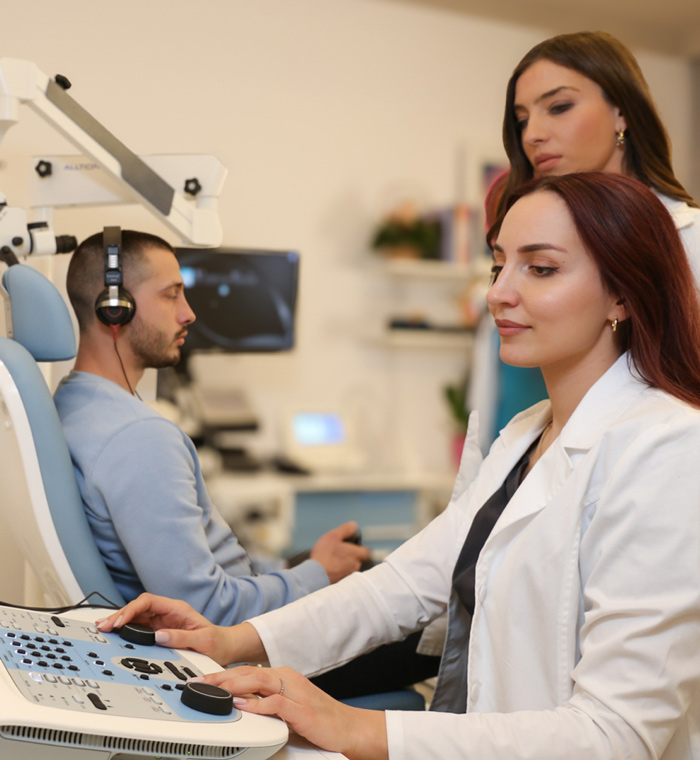
Microsuction and ear toilet under a microscope
 +381 64 4184 444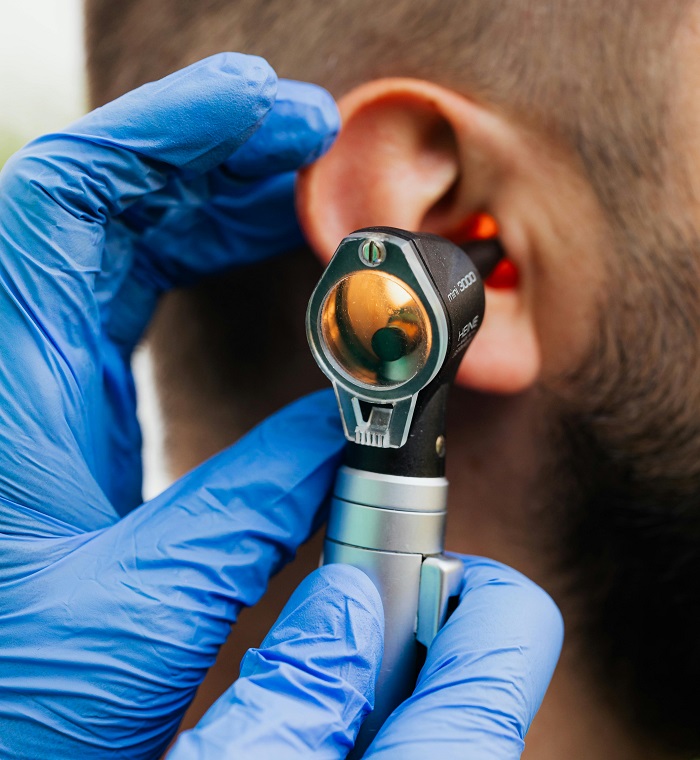
Microsuction and ear toilet under a microscope is a safe and precise way to address ear problems. Blocked ears, hearing loss, ringing, or pain are just some symptoms that can greatly affect daily life. Attempts at self-cleaning are often ineffective and may even worsen the condition. That is why seeking professional help on time is so important. At Dr Prlja Medical in Belgrade, patients receive modern treatment under the expert supervision of our team. If you have symptoms such as a blocked ear or discomfort, do not delay visiting a specialist. Schedule your appointment with us today to secure clear hearing and better ear health.
What you should know before booking an appointment
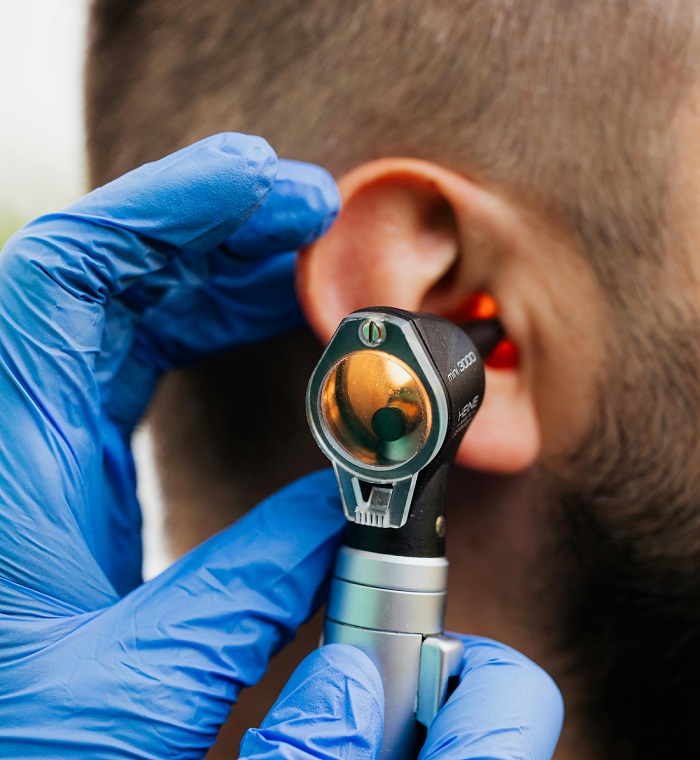
Microsuction and ear toilet under a microscope is a painless procedure performed at our ENT clinic in Belgrade. Using a microscope and fine suction instruments, accumulated earwax is carefully removed. Unlike home cleaning, which often involves cotton swabs or water irrigation, this method is far more precise.

The advantage lies in microscopic control of every movement—it reduces the risk of damaging the eardrum and causing dizziness. This method surpasses standard irrigation because it allows a detailed view of the canal, making the treatment safer and more effective. Alternatives such as manual cleaning or endoscopic use also exist, but they do not provide the same balance of precision and patient comfort.
When this procedure is needed
Disorders of the external ear canal have recognizable signs. If you notice them, act on time and see an ENT doctor.
- A feeling of blockage is most often caused by an earwax plug. Sound reaches the eardrum with difficulty, and cotton swabs usually push the problem deeper. A narrow canal or skin changes can worsen it. In the clinic, we remove the plug under a microscope, quickly and safely.
- Conductive hearing loss occurs when obstruction blocks the passage of sound. You may notice symptoms that may indicate hearing loss such as muffled hearing, autophony, and changing intensity while chewing. Once the blockage is removed, hearing usually improves immediately.
- Ear pain is common with canal skin inflammation or contact dermatitis. Accumulated wax increases friction and discomfort, especially after swimming or when using hearing aids. Careful cleaning reduces irritation and allows local therapy to work better.
- Persistent itching may accompany dry skin, eczema, or fungal deposits. Moisture and daily earphones keep the problem active. Mechanical removal of deposits and drying of the canal bring quick relief and prepare the skin for creams or drops.
- Ringing in the ears, known as tinnitus, becomes stronger when the canal is blocked (“occlusion effect”). Removing the plug often reduces the noise. If the cause comes from the middle or inner ear, further testing is required.
- A feeling of ears pressure can be caused by earwax, water, or skin swelling. Similar symptoms can also occur with Eustachian tube dysfunction, which requires a different approach. When the cause lies in the external canal, outpatient treatment resolves the problem quickly.
Preparation and examinations to do in advance
At home, extensive preparation is not necessary, but softening the earwax a day or two before your visit can help. Light oil or glycerin drops make the wax softer and easier to remove. Do not use drops if you have symptoms of eardrum injury, such as pain, bleeding, or discharge from the ear, as the presence of a perforation requires a different approach and a detailed ear examination before the procedure.
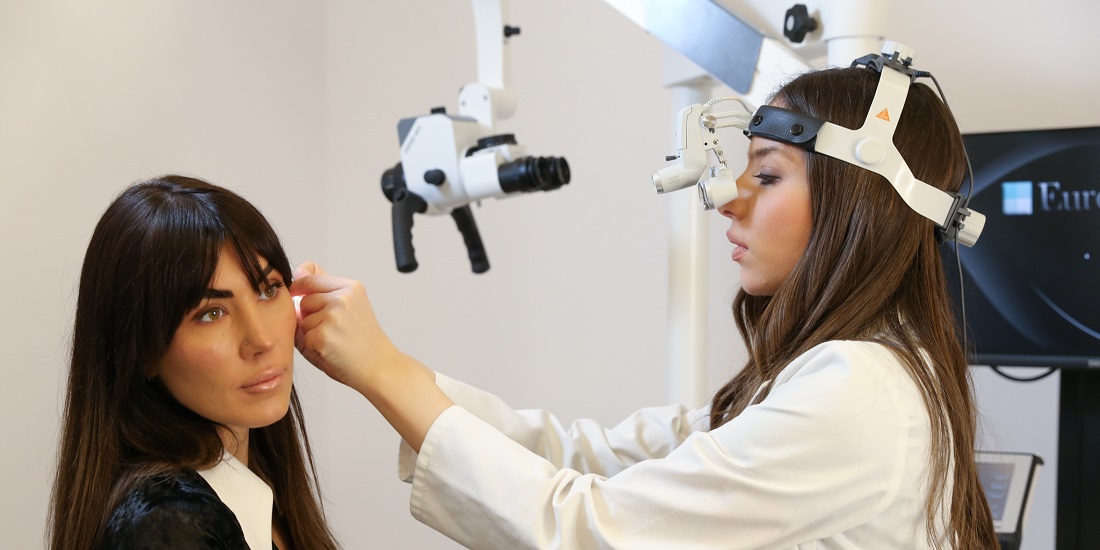
If you have an active infection—painful and red ear or yellow discharge—it is recommended to seek professional evaluation to diagnose ear inflammation before cleaning. Our team carefully assesses each case and ensures that every procedure is safe and comfortable for you.
What microsuction and ear toilet under a microscope looks like
The procedure takes place in the pleasant environment of our clinic at a convenient location in Belgrade. The ENT doctor observes the ear canal through a binocular microscope. The ear is constantly illuminated and clearly magnified, allowing precise and controlled work. If needed, a microscopic ear exam can also be performed to assess the condition of the canal and eardrum. We use fine suction cannulas connected to a vacuum, and when required, micro-curettes or forceps. The procedure is performed in a dry field, without water irrigation, which reduces the risk of irritation and dizziness.
The treatment itself usually takes a short time. Duration depends on the amount and type of buildup. You may feel slight discomfort from contact, but no pain. During the procedure, patients may notice:
- continuous “hissing” from suction
- mild pressure in the canal
- the sound of light instrument contact
Discomfort is less than with cold water irrigation. The dry technique does not change the ear’s temperature. If needed, we apply local drops to calm the skin. In most cases, one visit is enough for microsuction to achieve the desired results.
Risks and possible adverse reactions
Although microsuction and ear toilet under a microscope are generally very safe, as with any medical procedure, side effects can rarely occur.
- Mild irritation of the ear canal skin may appear—redness, dryness, or short-term discomfort after the procedure.
- Some patients may experience brief vertigo.
- Ear infection is extremely rare, but if it does occur, it is usually easily treated with local antiseptics or antibiotic derivatives.
Serious risks are uncommon because the procedure is performed by an ENT specialist under a microscope. The doctor clearly sees every movement and can react quickly to any damage or change in condition. If an adverse reaction does occur, our ENT team immediately assesses the situation and takes appropriate measures—ranging from consulting a specialist to applying local therapy. Your safety and comfort are our priority. If you notice any unusual symptom after the procedure, contact us without delay—we are always available to monitor you carefully.
After microsuction and ear toilet under a microscope, our goal is to keep you as comfortable and safe as possible. Once the treatment is finished, the doctor carefully examines the ear canal and the tympanic membrane. If everything looks normal, you only need to continue with moderate home care—no additional therapy is required. If the doctor notices changes (such as redness or swelling), you may be advised to use a mild local treatment (drops or cream).
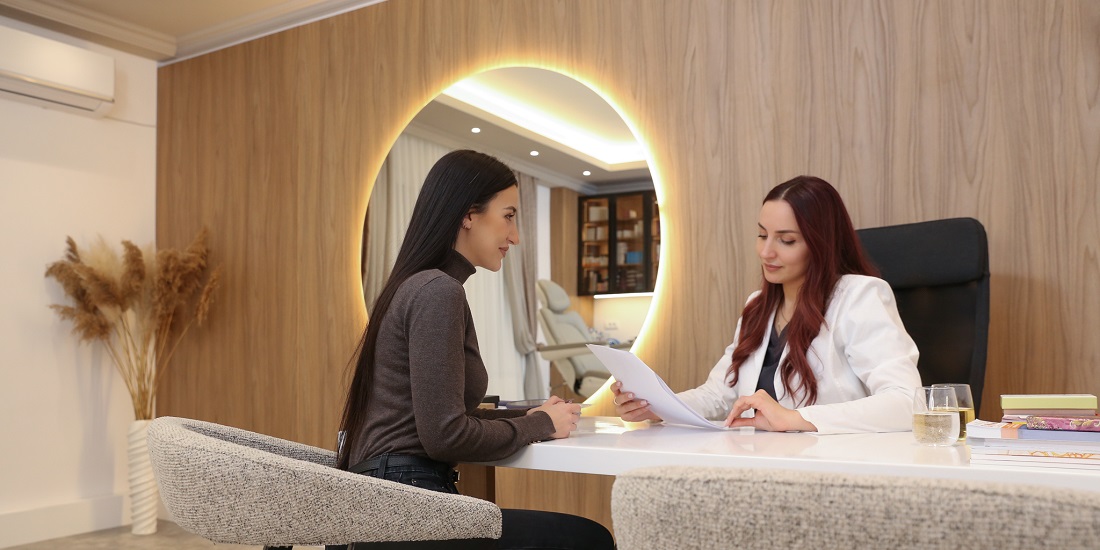
If you had hearing problems before the treatment, or if your work and daily activities depend on clear hearing, we can schedule a hearing check and perform a test such as audiometry. This helps us measure the level of hearing recovery and prevent possible complications.
To reduce the risk of a new blockage, we recommend the following steps:
- avoid using cotton swabs—they often push wax deeper or irritate the canal,
- use a few drops of oil or cerumenolytic drops occasionally if prescribed by your doctor,
- keep the ear dry, especially after bathing or swimming,
- and, of course, come for a follow-up if you notice new symptoms—it is always better to prevent than to treat.
Our team responds with care and expertise, with the goal of protecting your ear health.
Microsuction and ear toilet under a microscope is a safe path to ENT health
Ear health directly affects your daily comfort and quality of life. When blockage, ringing, or pressure appear, the best option is a proven and safe method. Microsuction and ear toilet under a microscope allows precise earwax removal without pain or discomfort. The advantage of this procedure lies in constant control by the doctor, who clearly sees every detail and ensures maximum safety. At Dr Prlja Medical in Belgrade, we provide a gentle and careful approach to every patient, whether you are visiting for the first time or regularly maintaining your hearing. Our team combines expertise, experience, and modern equipment to provide you with safe treatment and long-lasting relief. Do not postpone resolving your symptoms. Contact us and secure your ear health today.
Achieve flawless results with personalized treatments that highlight your natural beauty.
Frequently asked questions and answers
How often should I come for microsuction if I have increased earwax production?
If earwax builds up faster than usual, a check every 6 months is recommended. For average production, once a year is enough.
Can microsuction be performed on children and from what age?
Yes, the method is safe for children. It is performed under microscopic control with a gentle approach. It can be used even in young children when earwax plugs appear.
Can the procedure be done in patients with hearing aids?
Yes, it is especially recommended, as earwax often builds up faster in these patients. Cleaning helps the hearing aid work properly and lowers the risk of infection.
Is special preparation needed for children or older patients?
No, except for softening earwax at home with drops if advised by a doctor. The approach is always individual and careful, without extra burden for the patient.
Can microsuction be combined with other ENT examinations?
Yes, during the same visit the doctor can perform a microscopic ear exam and a hearing check if needed.
How quickly can I return to daily activities after microsuction?
You can resume normal activities immediately after the procedure. There is no recovery period or special restrictions.
Experiences of those who chose us
My experience with Sara was actually my first treatment ever. I had always been skeptical until I met her through a mutual friend. All it took was seeing her flawless skin to completely trust her. Not only does she maintain a natural look, which I really appreciate, with minimal corrections, but she’s also a wonderful friend and, when needed, a great therapist. I always leave her office feeling satisfied and smiling. P.S. She’s the only one who managed to solve my under-eye bags!

-Ksenija Knezevic
Singer
I met Sara a few years ago, and after the first treatment, I was certain – this woman knows what she's doing! I trust her completely, and I love her approach, honesty, and directness. There’s no exaggeration or unnatural looks – just a refreshed, rested, and natural appearance. We always have so much fun, laughing, while also enhancing our beauty. After seeing Sara, I look like I’ve just returned from the best vacation!
-Matea Milosavljevic
Actress
I have known Sara Prlja for more than 15 years, and I can say that everything she envisioned, she has achieved. She has always worked on herself, invested in her knowledge and growth. Her clinic is the perfect place where you will feel comfortable and relaxed, and the service is top-notch. I highly recommend her and her work!
-Aleksandar Dramicanin
Hair & Makeup Artist
Love, trust, and respect are the foundation of every strong and lasting relationship, whether personal or professional. From a medical perspective, we know how essential support is in any healing process, but for me, the relationship between a doctor and a patient is one where trust is especially important. I have complete trust in Sara and always feel confident that everything will be okay. That trust creates a sense of safety and allows real progress, while care and connection give us the space to grow together. I have never viewed my relationship with Sara as just professional, because every time I visit the clinic, it feels more like coming to people I trust and feel close to rather than simply working with a provider. That is the X factor that makes this experience truly valuable to me.

-Nataša Kovačević Njezvanova
Influencer
My experience with Sara has been exceptional in every way. Above all, she is a genuinely kind person and an outstanding professional. Together with her wonderful team, she creates an atmosphere free of fear, where trust comes naturally. I am delighted with the results and feel beautiful, confident, and happy. I wholeheartedly recommend her.

-Mahrina
Singer
I don’t easily trust anyone with my skin care, but the moment I stepped into Dr Prlja Medical, I felt safe and confident in my choice. I wouldn’t replace Sara for anyone else. She combines expertise, warmth, and a genuine love for her profession. Every treatment leaves me feeling refreshed and renewed, both physically and emotionally. Trust me when I say that you are in the right place.

-Anja Ćurčić
Actress
Related Services
Audiometry (hearing test)
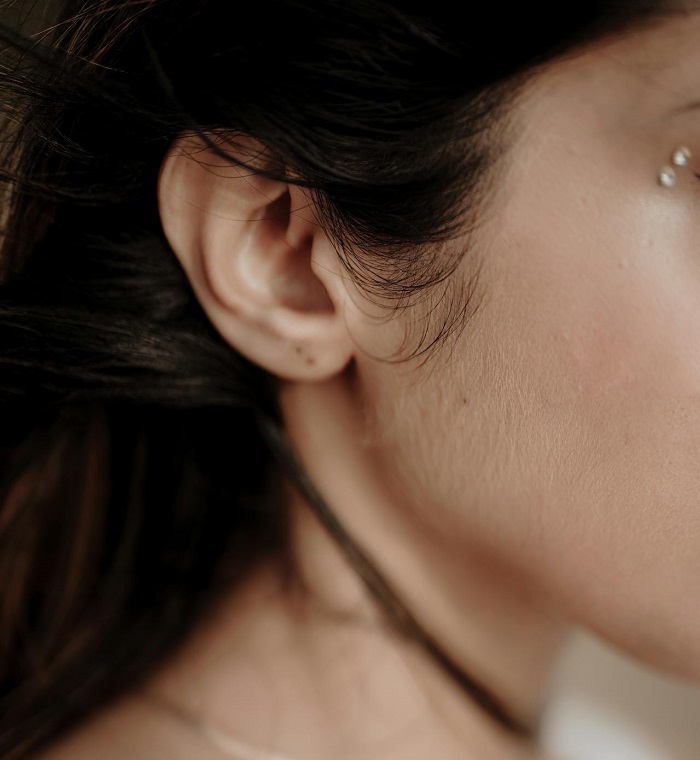
Cerumen removal (earwax cleaning)
Ear infection
Ear irrigation
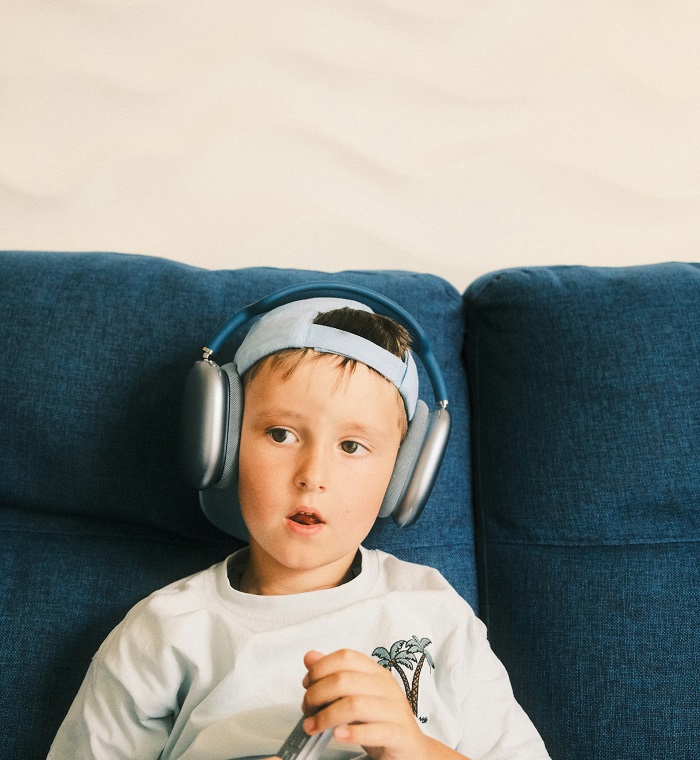
Hearing assessment for children
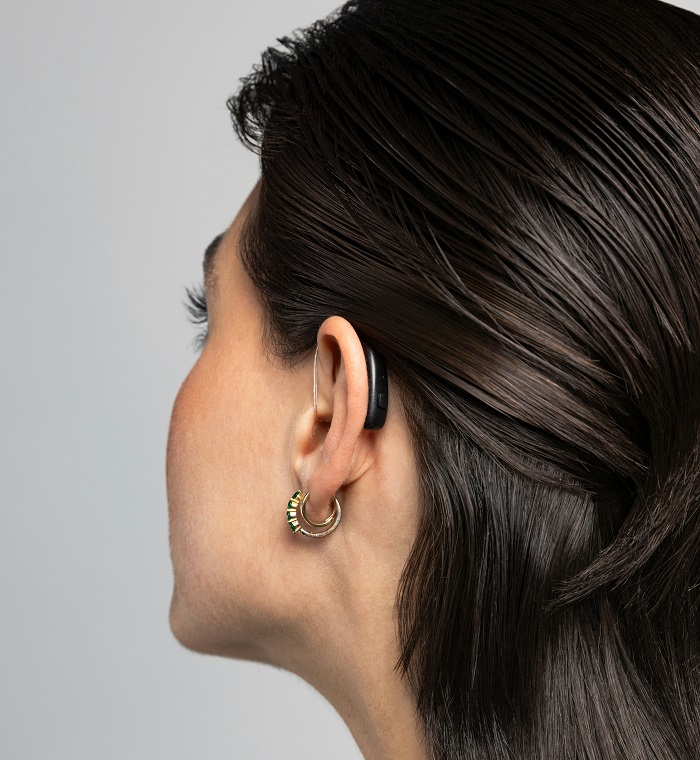
Hearing prosthetics (hearing aid tips)
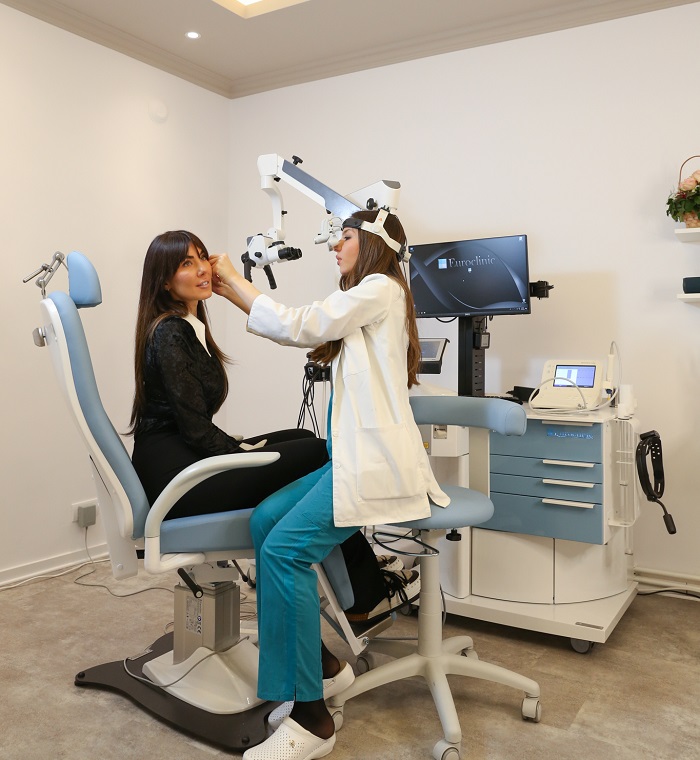
Microscopic ear examination
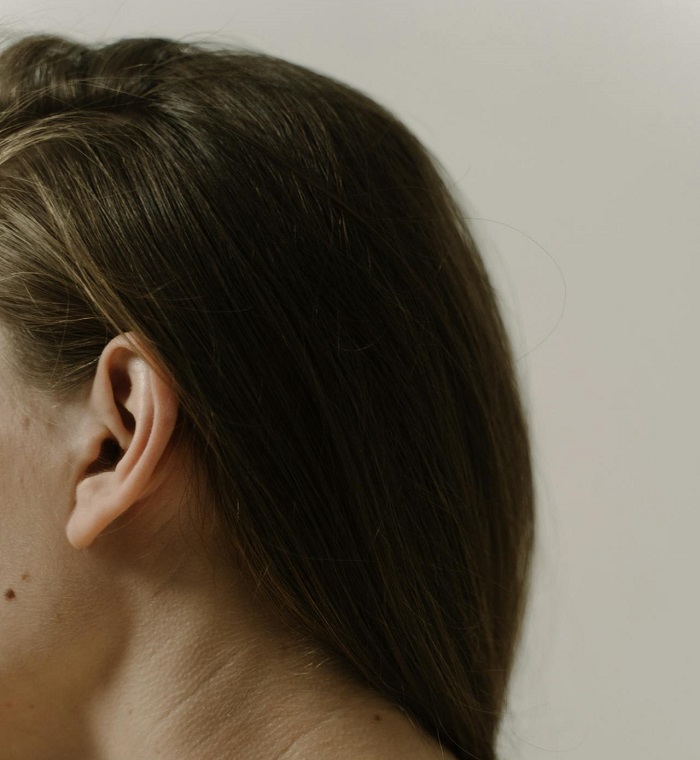
Microsuction of earwax and secretions
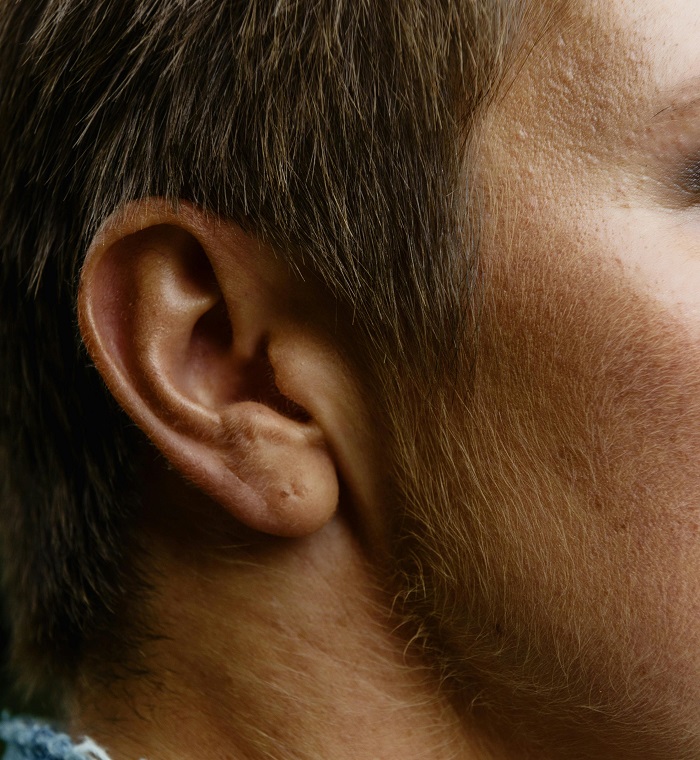
Specialist ENT ear examination
Specialist ENT nasal examination
Specialist ENT throat examination
Treatment of ear inflammation
Tympanometry