
Tips for strengthening the skin barrier and microbiome during transitional seasons
 +381 64 4184 444
When the seasons change, the skin quickly feels the difference. Sudden weather shifts are often the reason for dry skin in transitional seasons, making the skin react unpredictably. At such times, it helps to pay attention to skincare and introduce small adjustments. Strengthening the skin barrier and microbiome during transitional seasons helps the skin stay calmer and more resilient, regardless of environmental changes. That’s why it’s worth considering how to adapt your routine when spring or autumn arrives.
What is the skin barrier and how does it work?
Our skin acts like a living shield. On the surface, there is a layer of dead cells that prevents water loss and blocks irritants from entering. When the barrier is strong, the skin stays hydrated and resistant. If this layer weakens, symptoms like redness or tightness may appear, even with small environmental changes. These are the first signs of damage we usually notice by touch or in the mirror:
- the skin surface becomes rough
- fine lines become more visible
- the skin reacts even to mild irritants
Maintaining a strong barrier means the skin stays healthy and calm, and care routines have a deeper effect.
Skin microbiome: Your silent ally
The skin microbiome consists of a large ecosystem of microorganisms – bacteria, fungi, and viruses – that live on the surface and in the upper layers of the skin. These microorganisms play a protective role by occupying space, preventing harmful microbes from multiplying, and helping maintain pH balance. In addition, they can reduce inflammation and strengthen the skin’s natural defenses. When the microbiome is balanced, the skin is calmer, more stable, and more resistant to external factors.
How do transitional seasons affect the skin and microbiome?
When transitional seasons arrive, the skin quickly shows signs of change. Sudden temperature jumps, stronger winds, and shifting humidity accelerate moisture loss from the surface layer. This phenomenon, known as transepidermal water loss, means the skin loses moisture faster than it can retain it. At such times, even people with otherwise healthy skin may experience inflammation or roughness.
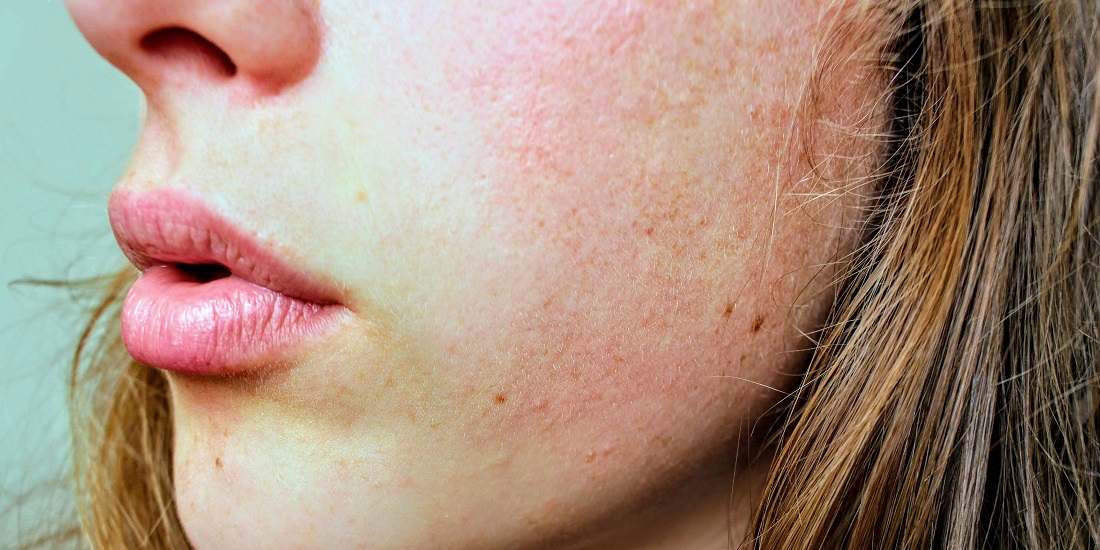
In such conditions, the barrier becomes more permeable, and the microbiome more easily loses balance. That is why a skincare routine during transitional seasons requires gradual changes, focusing on products that restore moisture, strengthen lipids, and calm irritation. A sudden change of the entire routine can further burden the skin, so it is better to introduce adjustments carefully and in smaller steps.
Steps for strengthening the skin barrier and microbiome during transitional seasons
Proper skincare involves simple and thoughtful steps you can easily follow. Here’s how you can restore balance, especially during variable periods.
1. Skin hydration as the most important first step
The first step in skincare is always cleansing, and this is where the skin often gets damaged the most. If you use regular soaps or harsh cleansers, lipids that naturally protect the skin surface are easily removed. That’s why it’s much better to choose so-called syndets – gentle cleansers that don’t disrupt pH or strip the protective layer. This way, the skin stays calm and ready for further care. After cleansing, the next step is to add ingredients that restore what the skin needs:
- Humectants, such as hyaluronic acid or glycerin, attract and bind water in the surface layer.
- Emollients, including ceramides, squalane, or certain plant oils, fill the “gaps” between cells and make the skin softer.
- Occlusives, like petrolatum or dimethicone, form a thin film that slows down water evaporation.
When these three types of ingredients are combined, the skin stays hydrated longer and becomes less prone to irritation. Timing is also important. In the morning, a lighter cream that absorbs quickly provides comfort throughout the day. In the evening, when the skin rests and regenerates, it’s better to apply a richer formula. Fragranced products and denatured alcohol can further signal that your skin is lacking hydration, while fatty alcohols, such as cetyl or stearyl, actually have a soothing effect and help the barrier.
2. Create balance between active and gentle ingredients
Active ingredients, such as retinoids or acids, can improve the look and function of the skin but require careful use.
- Retinoids are recommended only in the evening routine, since sunlight reduces their stability. It’s best to start slowly – once or twice a week – and then increase frequency. If redness, peeling, or burning appears, the skin needs more rest. In such cases, take a break and continue only when the skin calms down. Retinoids and benzoyl peroxide should not be used together, as they reduce effectiveness and increase the risk of irritation.
- Acids, such as AHA or BHA, remove dead cells and improve texture, but in dry and cold periods they may further irritate the skin. Use them less often and choose lower concentrations.
- Vitamin C can be an excellent addition, but it’s more practical to apply it in the morning, leaving retinoids for evening care.
The best results come from combining active ingredients with the right cream for your face, one that hydrates and contains ceramides, hyaluronic acid, or niacinamide. This way, the skin gets the benefits of actives but stays protected and less reactive. The key is not speed, but gradual progress without unnecessary irritation.

3. Prebiotics and probiotics for strengthening the skin barrier and microbiome during transitional seasons
The skin microbiome works best when it has stable conditions and gentle care. Any sudden imbalance, such as harsh cleansing or overuse of active products, can reduce the number of beneficial bacteria and increase skin sensitivity. This is where prebiotics and probiotics can be very helpful.
- Prebiotics are substances found in moisturizers and cleansers that feed beneficial microorganisms and help them grow. In this way, they create a better environment for the microbiome and strengthen the skin’s natural defense.
- Probiotic extracts, often found in creams for sensitive skin and barrier-repair serums, reduce inflammation and improve tolerance to external factors. That’s why they fit well into routines together with barrier-restoring moisturizers.
When choosing products, go for gentle formulas without fragrances and strong acids, since these additives often further disrupt the microbiome. Always introduce new products gradually, giving the skin at least two to three weeks to show how it reacts. When the microbiome is stable, the skin barrier is calmer and more resilient.
4. Protect your skin from external factors
Fluctuating weather conditions confuse the skin barrier and disrupt the microbiome. That’s why daily protection is essential, even when the weather seems “mild.” Sun rays act throughout the year, so sunscreen is a mandatory part of the morning routine in both spring and autumn, along with avoiding mistakes in SPF use. UVA radiation passes through clouds and glass, and it has the greatest impact on skin aging and barrier weakening. Apply sunscreen as the last step in the morning and reapply it if you stay outdoors longer.
Besides UV radiation, transitional seasons bring dry winds or humid air that can easily change the skin’s condition. Wind accelerates water evaporation and may cause redness, while humidity changes often increase the feeling of tightness. In such conditions, help the skin with richer creams containing lipids that create a protective layer. If the days are warmer and the skin produces more oil, switch to lighter textures that won’t overload the surface.
Nutrition, hormones, and lifestyle habits
Skin health is influenced not only by creams and serums. During transitional seasons, when the weather changes rapidly, daily habits can make a big difference. Here’s what is worth adding or strengthening:
- Choose a skin healthy diet rich in omega-3 fatty acids: Fatty fish (salmon, sardines), flaxseed, walnuts, and hemp oil support the skin’s lipid layer and reduce moisture loss.
- Get enough vitamins and minerals: Vitamin C boosts collagen production, vitamin E protects against oxidative stress, and zinc helps skin repair.
- Pay attention to hormonal changes: A drop in estrogen affects facial skin during menopause, while sudden androgen fluctuations may influence sebum production and microbiome balance. Regular check-ups and tailored skincare help ease these changes.
- Reduce stress and ensure quality sleep: Elevated cortisol from stress weakens the barrier and increases irritation. Adequate sleep and relaxation techniques reduce this effect.

How to repair a damaged skin barrier?
When the skin barrier is already damaged, the routine must be reduced to a minimum and focused on recovery. At this stage, the goal is to give the skin rest and restore balance. During this period, avoid retinoids, acids, and fragranced products, as they may cause further irritation. Instead of complex routines, stick to a simple combination: cleansing – hydration – protection. If the condition doesn’t improve after a few weeks or worsens, it is helpful to seek professional guidance. Aesthetic clinics in Belgrade can help you choose the right treatment that supports strengthening of the skin barrier.
- Hydrafacial with hydration – gently removes impurities while restoring moisture, soothing the skin, and supporting better microbiome function.
- Biorevitalization – deeply hydrates tissue and stimulates renewal, strengthening the barrier and increasing skin resistance.
- LED therapy – reduces inflammation and stimulates cell regeneration, creating a more stable environment for the microbiome.
- Facial mesotherapy – delivers a cocktail of vitamins, hyaluronic acid, and antioxidants, improving hydration and aiding in the repair of a weakened barrier.
Keep your skin healthy during transitional seasons in a simple way
During transitional seasons, the skin needs extra care and a gentler approach. Changing weather affects its balance, so habits must remain consistent and adapted to conditions. Regular cleansing with mild products, proper hydration, and sunscreen use form the basis of a stable barrier. Gradual changes bring the best results, since the skin needs time to adjust. That is why strengthening the skin barrier and microbiome during transitional seasons is the path to healthier and more resilient skin.