
Hearing prosthetics (hearing aid tips)
 +381 64 4184 444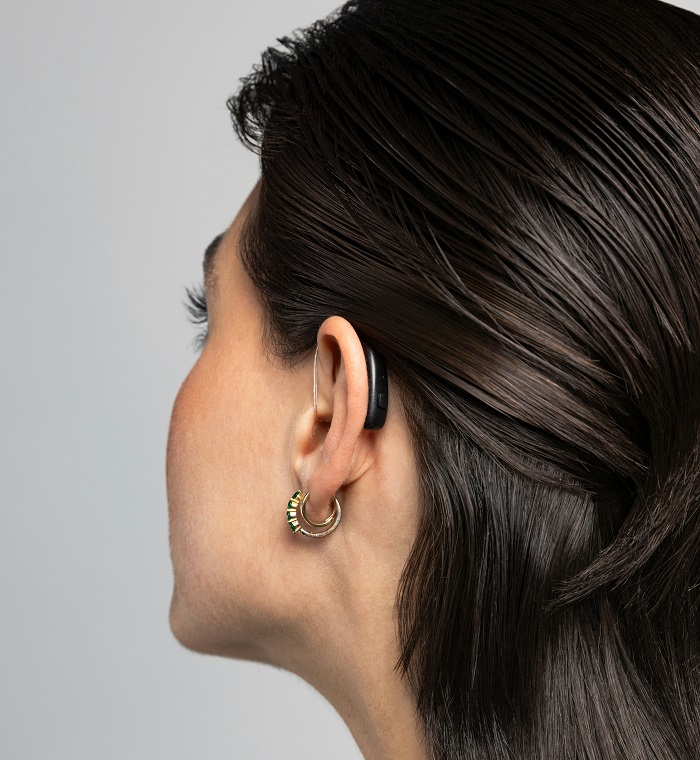
Hearing prosthetics are a modern solution for people with hearing loss who want to restore their quality of life. Using hearing aids and other medical devices helps with clearer conversations, recognizing sounds from the environment, and reducing feelings of isolation. Hearing aids work by amplifying and adjusting sound to each patient’s needs and can be recommended for all ages, from children to the elderly. At Dr Prlja Medical in Belgrade, you can have a professional examination and receive expert support in choosing the right solution for you. Take a step toward better hearing and schedule your appointment today to get an accurate diagnosis and reliable advice on selecting a hearing aid.

When is it time to think about hearing prosthetics?
If you often ask people to repeat themselves or turn up the TV, these are some of the first signs of hearing loss. Difficulty following conversations, even when the speaker talks normally, can also point to a problem. Some people begin avoiding noisy places because every conversation becomes tiring and exhausting. If any of the following issues disturb your daily life, you may need a professional evaluation:
- frequent vertigo symptoms
- ringing in the ears
- feeling of fullness
If symptoms worsen over time, a person may feel isolated or insecure. Don’t wait for the problem to progress – a timely ENT exam can mean a lot for your long-term well-being.
Benefits of using hearing aids
Wearing a hearing aid brings many benefits that significantly improve quality of life. Beyond clearer hearing, it is important to highlight the broader positive effects on health and daily functioning. The main advantages include:
- Improved communication – easier participation in conversations with family, friends, and colleagues.
- Greater safety while moving – clearer traffic, signals, and surroundings reduce accident risks.
- Isolation prevention – better hearing restores social activity and reduces loneliness.
- Brain and cognition support – aids slow cognitive decline and may lower dementia risk.
- Relief for tinnitus – some models provide white noise or calming tones to reduce ringing.
- Adaptability to daily situations – from watching TV and phone calls to being in noisy places.
- Better quality of life – restoring natural sounds (music, voices, background) brings normalcy and satisfaction.
Can hearing prosthetics restore normal hearing?
Hearing aids significantly improve sound perception, but they cannot fully restore normal hearing. They amplify voices and sounds you used to hear less clearly, but the complexity of the hearing system—from the ear to the brain—means complete reconstruction is not possible.
With practice and consistent use, daily communication becomes easier, and many users notice pleasant sounds such as birdsong or soft music. The key difference is between improving hearing—clearer and more comfortable listening—and restoring the full function of healthy hearing. For people with severe hearing loss, when hearing aids are not enough, a cochlear implant that directly stimulates the auditory nerve may be considered.
You can find out if you need hearing prosthetics at Dr Prlja Medical
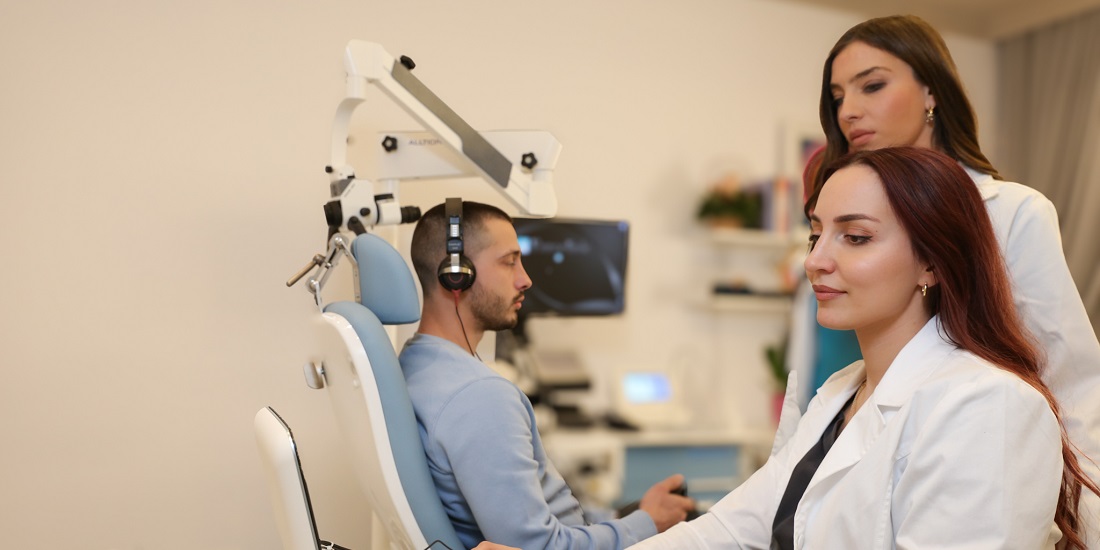
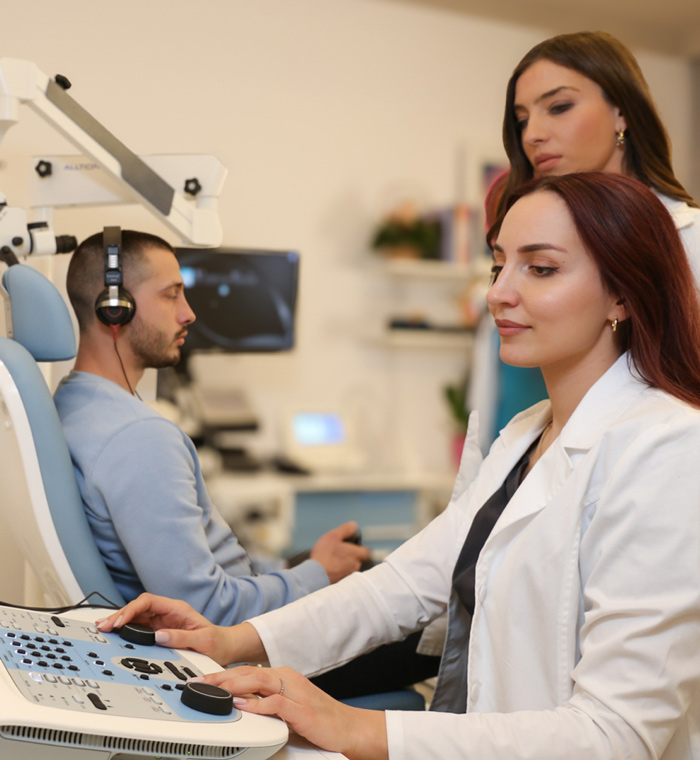
The first step is a detailed ear examination and hearing test. The exam is short, painless, and provides a clear picture of your current condition. A hearing test may include several methods that give precise insight into different aspects of hearing loss:
- Audiometry – measures the hearing threshold for different frequencies and shows how well you hear soft and loud tones.
- Tympanometry – examines the mobility of the eardrum and the condition of the middle ear, useful when fluid behind the eardrum or Eustachian tube problems are suspected.
- Otoacoustic emissions (OAE) – often used in children, shows how the inner ear (cochlea) responds to sound.
- BERA test (Brainstem Evoked Response Audiometry) – measures brain responses to sound stimuli and is used when an objective hearing threshold is needed.
After that, the results are analyzed, and together we discuss which hearing aid would be the best choice for you.
Types of hearing aids: How to choose the right one?
There are several types of hearing aids, each with its own advantages depending on lifestyle and degree of hearing loss.
- Behind-the-ear (BTE) models are reliable and powerful — they sit behind the ear and are often connected with a thin tube to an ear insert. They are ideal for all types of hearing loss and easy to maintain.
- RIC devices (receiver-in-canal) are more discreet and offer natural sound.
- CIC / IIC aids are almost invisible — they are placed deep in the ear canal, making them comfortable for daily wear.
Not all aids are suitable for moisture, so it is important to know that some models are specially resistant to sweat, rain, and occasional splashes. Waterproof devices are a great choice for active people, athletes, or those who spend a lot of time outdoors. However, no model is designed for swimming or showering, so proper handling and extra care in wet conditions are necessary.
As for power supply, you can choose between rechargeable batteries, which are practical and eco-friendly, and traditional batteries, which are widely available and easy to use. There are also models with Bluetooth functions, allowing direct streaming from phones or TVs and adjustments via mobile apps. OTC (over-the-counter) options are also emerging — they may be more affordable and available without a prescription, but often lack personalized hearing adjustment, which limits their effectiveness.
Tips for everyday use of hearing aids
Once the device is chosen, the next step is individual adjustment. This takes into account your habits, work, and daily environment. Then comes the trial period, during which you use the device in real situations. This helps identify what needs further fine-tuning. Usually, the entire process from examination to receiving the device lasts from a few days to a couple of weeks. Getting used to the device varies from patient to patient — for some, a few days are enough, while others need several weeks. To make adaptation easier, we recommend a few simple steps.
- Start with short wearing sessions, then gradually extend the time during the day.
- At home, you can read aloud or talk with family members in a quiet environment.
- Watching television with subtitles also helps, as it trains listening and word recognition.
- Once you feel comfortable with daily use, try the device in noisier environments to gradually adapt to more complex situations.
How to maintain a hearing aid?
Most hearing aids work reliably between five and seven years, and with care and attention, they often last even longer. Regular servicing is important — about every six months to a year — to replace filters, clean internal parts, and check functionality. At home, it is enough to:
- wipe the surface with a soft, dry cloth
- regularly remove built-up wax
- avoid moisture, extreme temperatures, perfumes, or cosmetics while wearing the device
- open the battery compartment at night so the aid can “breathe” and stay dry
Standard hearing aid batteries usually last between 5 and 14 days, depending on the model and usage intensity. Rechargeable models offer convenience, as the battery charges overnight and typically lasts the whole day without interruption. If you notice the device producing weaker sound or turning off more often, it’s a sign that the battery needs replacing. It is very important to always keep a spare set with you, especially when you are away from home.

Common mistakes patients make with hearing prosthetics
Although hearing aids significantly improve quality of life, patients often make mistakes that can slow or complicate adaptation.
- People sometimes delay visiting a specialist, thinking the problem is “just minor” — this step is crucial, and waiting can make it harder to adapt to a hearing aid. Self-diagnosis, for example based on advice from relatives, often leads to wrong conclusions.
- It is also common for patients to buy devices online without consulting a doctor or having a professional exam. While it may seem simpler, such devices are usually not tailored to individual needs and often deliver weaker results.
- Expecting hearing to return fully right away can be discouraging when it doesn’t happen. Ignoring the trial period and follow-up visits can reduce the benefits of the device — with small adjustments, we can always improve performance and comfort.
- One frequent fear is that a hearing aid could further damage hearing. The truth is that properly adjusted hearing aids cannot harm; on the contrary, they improve brain function and preserve the ability to process sound. When hearing goes without stimulation for a long time, the brain loses part of that function, which can accelerate feelings of isolation and cognitive decline.
Start your journey to better hearing today
Better hearing means a better life – clearer communication, greater safety, and more enjoyment in everyday moments. If you already notice that conversations are becoming tiring or that you are withdrawing from social situations, you may need hearing prosthetics. At Dr Prlja Medical in Belgrade, you can receive a professional examination, carefully tailored advice on hearing aids, and support throughout the entire process. By scheduling an appointment, you take the first step toward clearer and more comfortable listening. Contact us today or visit our clinic – the doors of Dr Prlja Medical are always open to you.
Achieve flawless results with personalized treatments that highlight your natural beauty.
Frequently Asked Questions and Answers
Is a hearing aid visible when I wear it?
There are different models, from larger behind-the-ear devices to almost invisible ones placed deep in the ear canal. If you want discretion, CIC and IIC models are practically unnoticeable from the outside.
Can a child use a hearing aid?
Yes, hearing prosthetics are recommended for children with confirmed hearing loss. For younger patients, behind-the-ear (BTE) models are most often used because they are reliable, easier to maintain, and can be adjusted as the child grows.
How often should I have check-ups after getting a hearing aid?
In the first months, more frequent check-ups are recommended (after 2–4 weeks) to fine-tune the device. Later, once or twice a year is enough unless you notice changes in hearing.
Do hearing aids come with a warranty?
Da, većina aparata ima garanciju od 2 do 3 godine. U tom periodu pokriveni su kvarovi i tehnički problemi, dok se servis i čišćenje obavljaju redovno prema dogovoru sa ordinacijom.
Can I use a hearing aid while exercising or doing sports?
Yes, especially if you choose a model resistant to moisture and sweat. You should make sure the device does not come into contact with water while swimming or showering, but for activities like running or cycling, there are stable and safe models available.
Can I connect a hearing aid to my mobile phone?
Yes, modern devices with Bluetooth functions allow direct connection to your phone. You can make calls, listen to music, or adjust the volume using a mobile app.
Experiences of those who chose us
My experience with Sara was actually my first treatment ever. I had always been skeptical until I met her through a mutual friend. All it took was seeing her flawless skin to completely trust her. Not only does she maintain a natural look, which I really appreciate, with minimal corrections, but she’s also a wonderful friend and, when needed, a great therapist. I always leave her office feeling satisfied and smiling. P.S. She’s the only one who managed to solve my under-eye bags!

-Ksenija Knezevic
Singer
I met Sara a few years ago, and after the first treatment, I was certain – this woman knows what she's doing! I trust her completely, and I love her approach, honesty, and directness. There’s no exaggeration or unnatural looks – just a refreshed, rested, and natural appearance. We always have so much fun, laughing, while also enhancing our beauty. After seeing Sara, I look like I’ve just returned from the best vacation!
-Matea Milosavljevic
Actress
I have known Sara Prlja for more than 15 years, and I can say that everything she envisioned, she has achieved. She has always worked on herself, invested in her knowledge and growth. Her clinic is the perfect place where you will feel comfortable and relaxed, and the service is top-notch. I highly recommend her and her work!

-Aleksandar Dramicanin
Hair & Makeup Artist
Love, trust, and respect are the foundation of every strong and lasting relationship, whether personal or professional. From a medical perspective, we know how essential support is in any healing process, but for me, the relationship between a doctor and a patient is one where trust is especially important. I have complete trust in Sara and always feel confident that everything will be okay. That trust creates a sense of safety and allows real progress, while care and connection give us the space to grow together. I have never viewed my relationship with Sara as just professional, because every time I visit the clinic, it feels more like coming to people I trust and feel close to rather than simply working with a provider. That is the X factor that makes this experience truly valuable to me.

-Nataša Kovačević Njezvanova
Influencer
My experience with Sara has been exceptional in every way. Above all, she is a genuinely kind person and an outstanding professional. Together with her wonderful team, she creates an atmosphere free of fear, where trust comes naturally. I am delighted with the results and feel beautiful, confident, and happy. I wholeheartedly recommend her.

-Mahrina
Singer
I don’t easily trust anyone with my skin care, but the moment I stepped into Dr Prlja Medical, I felt safe and confident in my choice. I wouldn’t replace Sara for anyone else. She combines expertise, warmth, and a genuine love for her profession. Every treatment leaves me feeling refreshed and renewed, both physically and emotionally. Trust me when I say that you are in the right place.

-Anja Ćurčić
Actress
Related Services
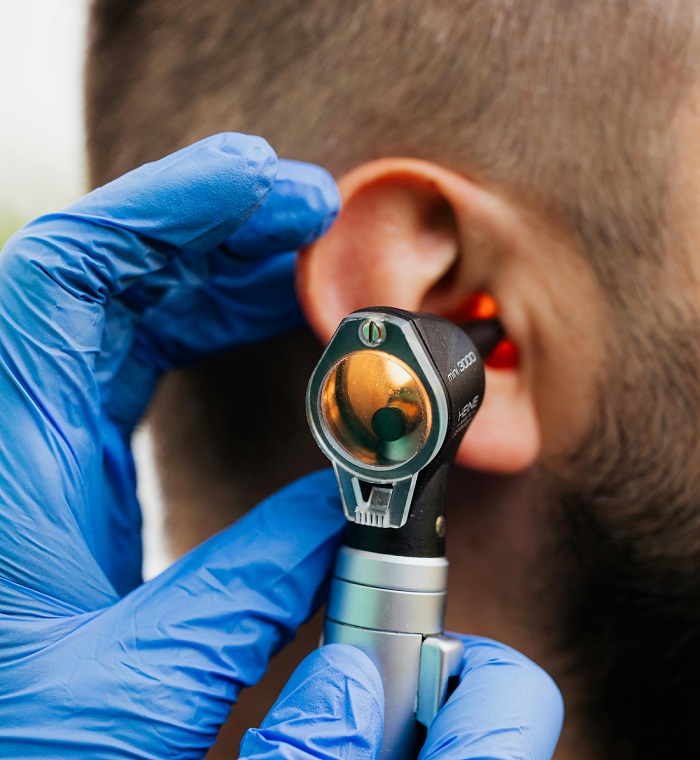
Audiometry (hearing test)
Cerumen removal (earwax cleaning)
Ear infection
Ear irrigation
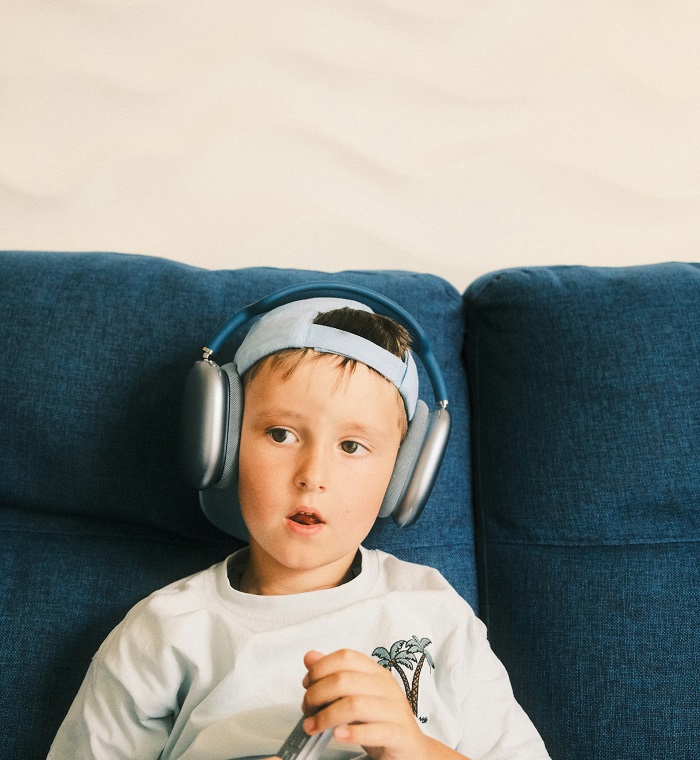
Hearing assessment for children
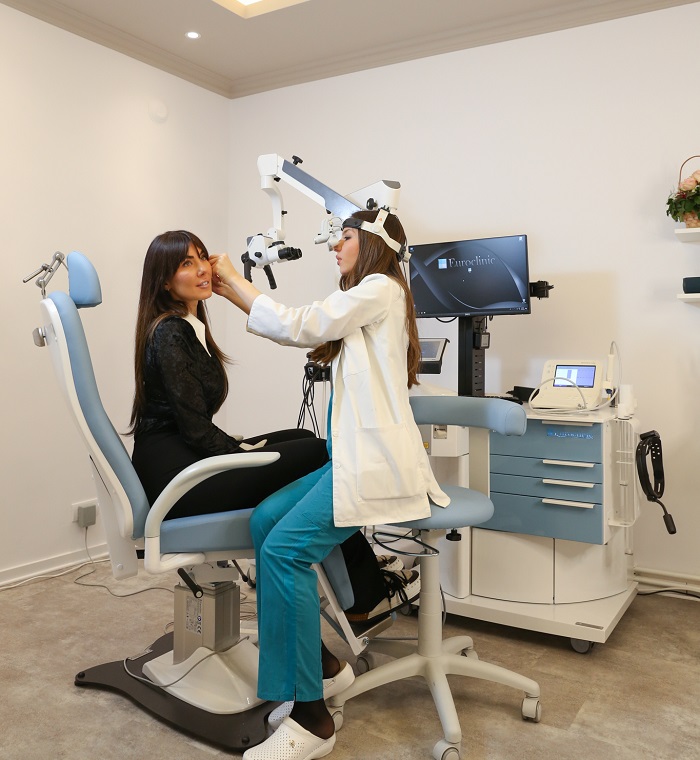
Microscopic ear examination
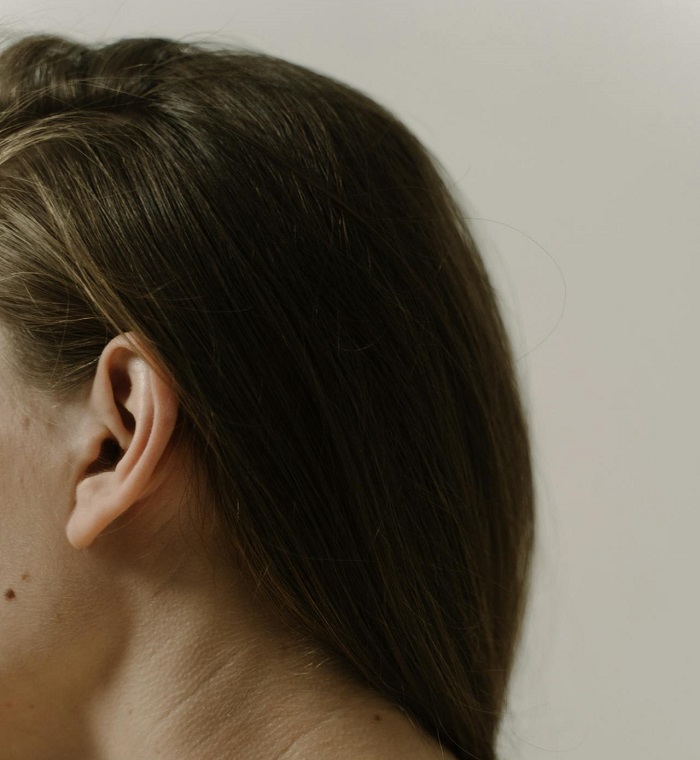
Microsuction of earwax and secretions
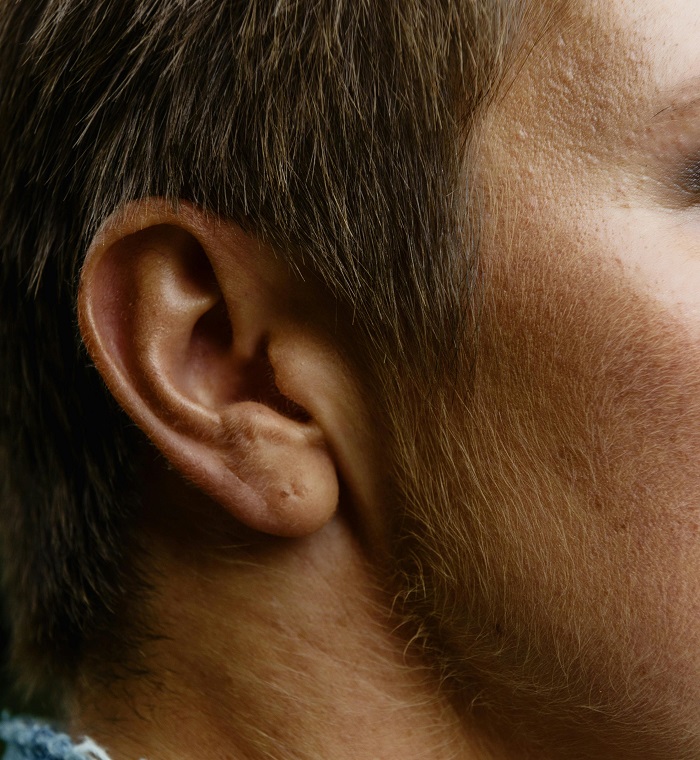
Specialist ENT ear examination
Specialist ENT nasal examination

Specialist ENT throat examination
Tinnitus Treatment
Treatment of ear inflammation
Vertigo Treatment